

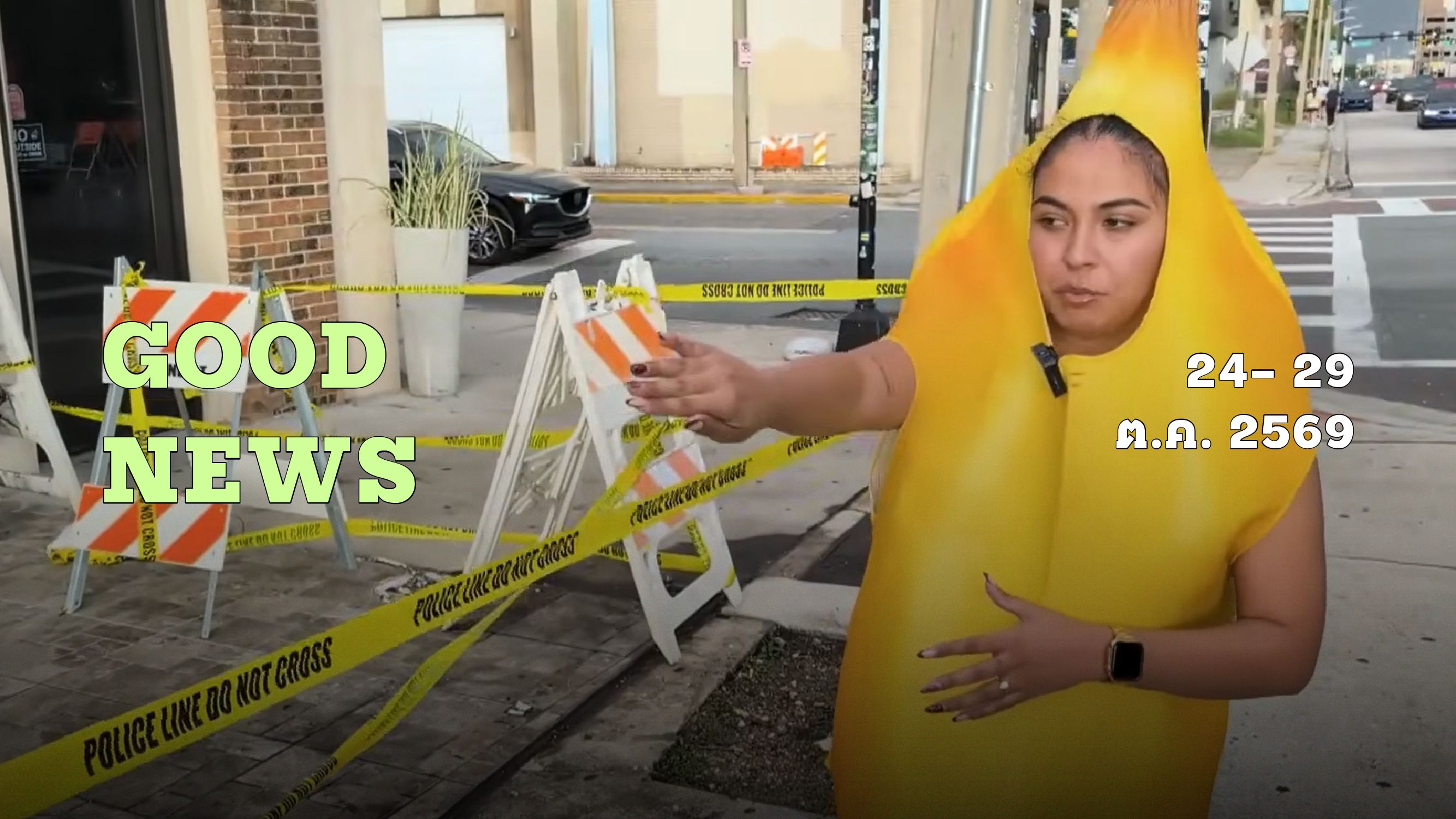
This week’s good news features a woman dressed as a banana who became a hero by assisting a driver involved in a crash at a Florida restaurant, acting on her nursing instincts.
The U.S. First Lady served as an intermediary between Russia and Ukraine, successfully negotiating a ceasefire in the city of Oleshky, enabling civilians to evacuate amid a food shortage crisis.
Nigerian women activists, continuing a legacy of resistance, led villagers in successfully planting over 3 million mangrove trees to restore the Niger River basin's ecosystem.
In the United States, a 15-year-old girl from Texas invented a QR Code system displaying medical information to aid emergency patients after experiencing a classmate fainting at school.
Meanwhile, in Georgia, a man following GPS took a wrong turn but accidentally became the first to rescue 14 people surviving a fire at a foster home.
Back in Asia, six new Irrawaddy dolphins were born in Cambodia’s Mekong River, increasing the population to 118 and reflecting strong community collaboration.
Closing the week, amid Borneo’s wildfire crisis, Indonesian conservation organizations have successfully rescued over 53 orangutans, relocating them to safe protected forests.
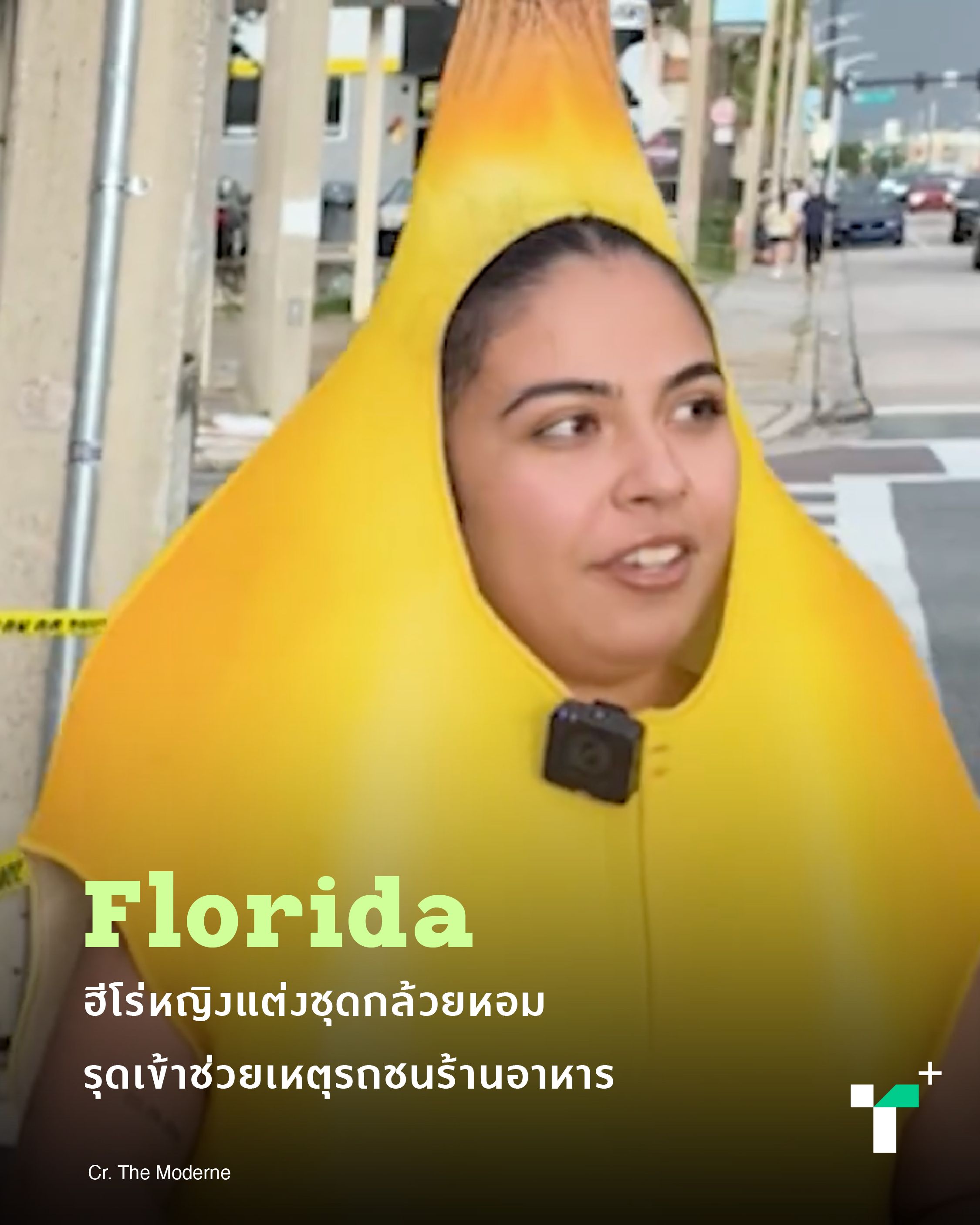
Stephanie Orozco, an American woman, became a widely praised hero online after she and her fiancé rushed to help an SUV driver who crashed into the outdoor seating area of The Moderne Bar in Orlando, Florida. She was still wearing her “banana costume” from a Halloween party. Orozco, a nursing student, said she acted on her human instinct to check the injured driver’s condition and immediately called 911. The restaurant owner posted CCTV footage praising her kindness and announced a search for the “mystery banana” to thank her officially. Fortunately, no one was injured in the incident.
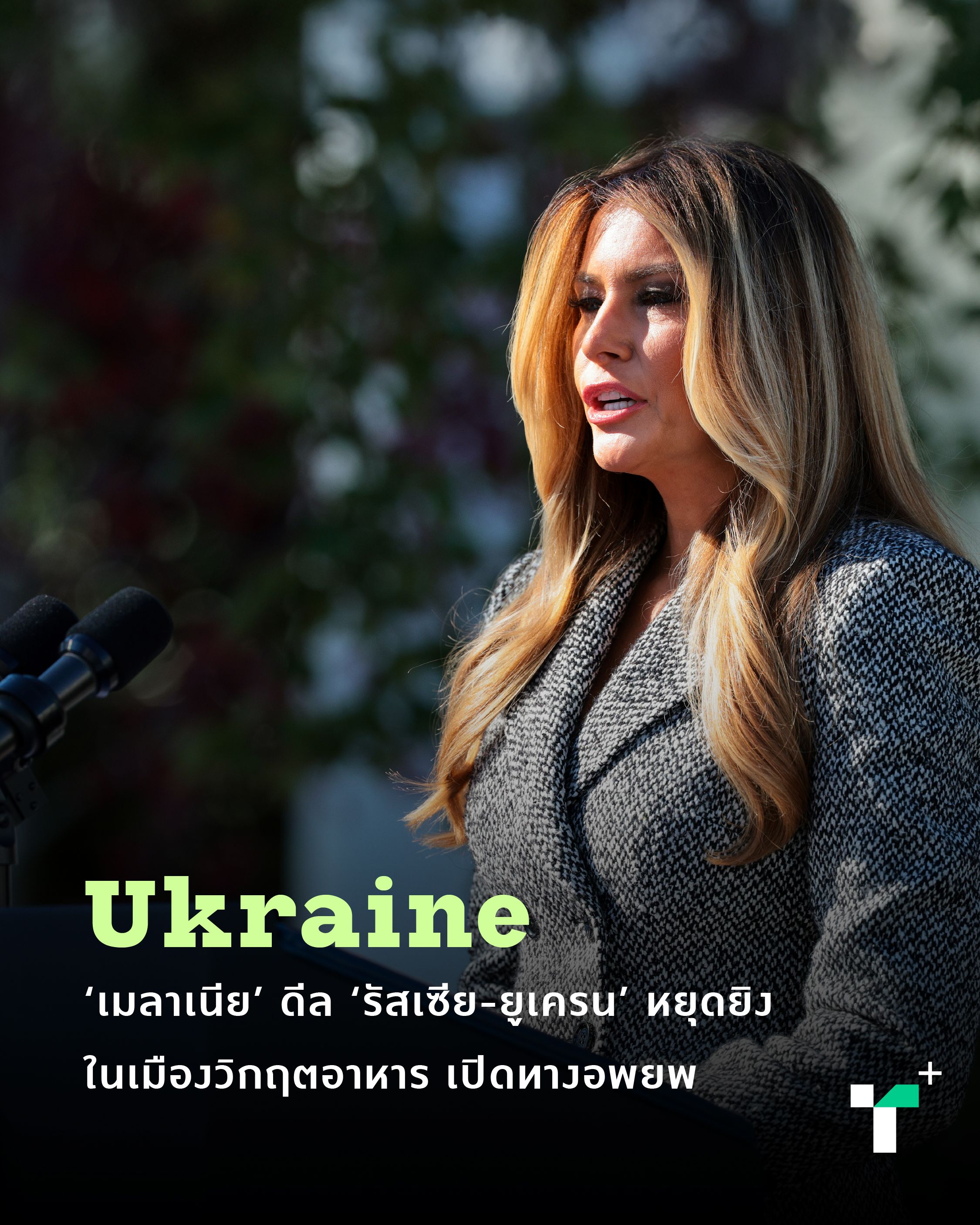
The White House revealed that Melania Trump, the U.S. First Lady, successfully negotiated a temporary ceasefire agreement with leaders of Russia and Ukraine in Oleshky, a border city under Russian occupation facing a severe humanitarian crisis. Residents have been living without electricity, medicine, food, and clean water. The ceasefire allows officials to assess and deliver aid and facilitates evacuation for civilians wishing to leave.
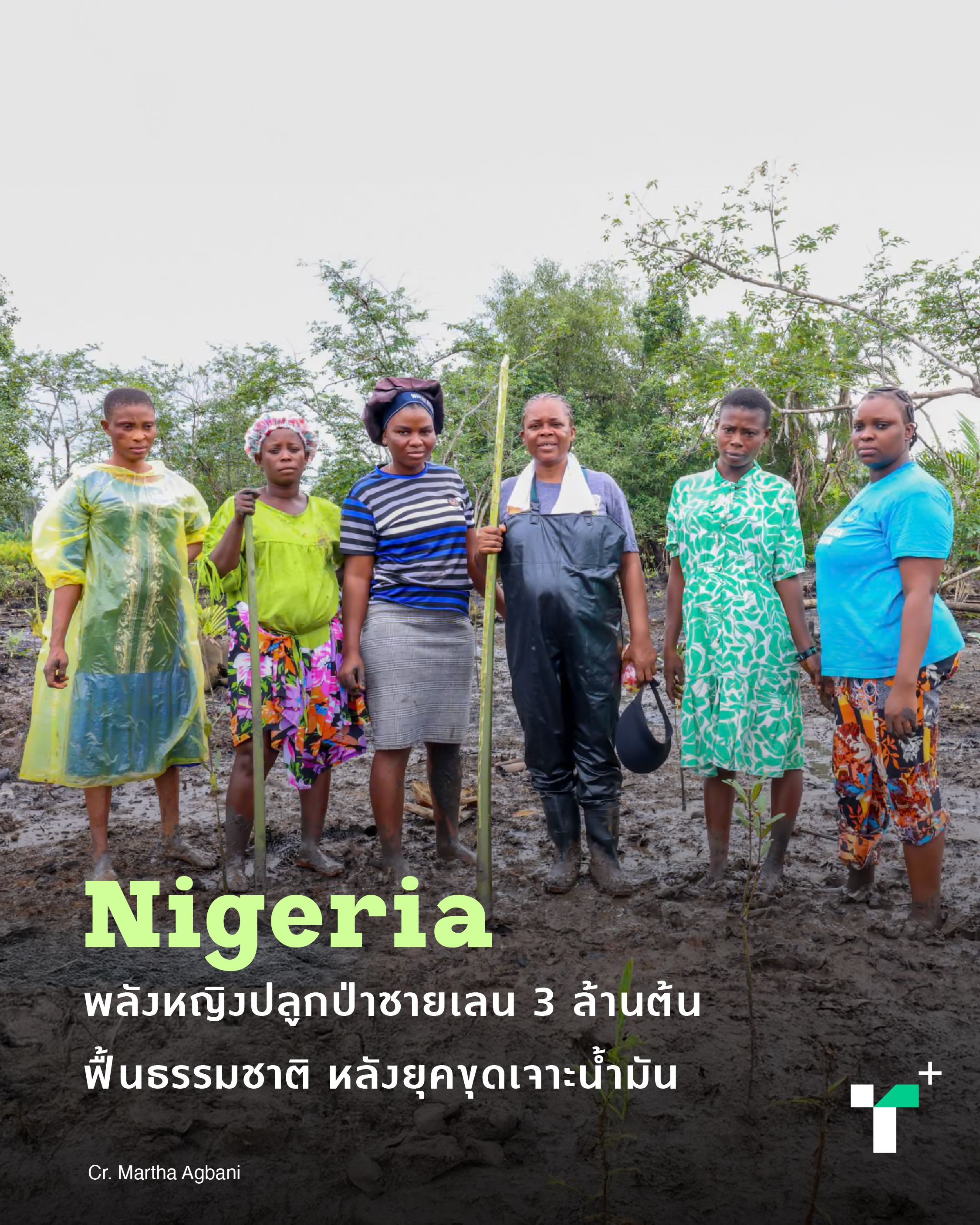
Martha Agbani, an environmental activist in the Ogoniland region of the Niger Delta in Nigeria, has trained local women to restore mangrove forests damaged by oil spills and drilling over five decades. Inspired by her mother’s ideals and Ken Saro-Wiwa, an environmental defender executed in 1995, Agbani founded the Lokiaka Community Development Center. It uses tree planting to promote environmental justice, women’s empowerment, and revive fishing livelihoods. Since 2018, the women’s team has planted over 3 million mangrove seedlings, restoring more than 1.9 million square meters of wetlands and helping aquatic life return.
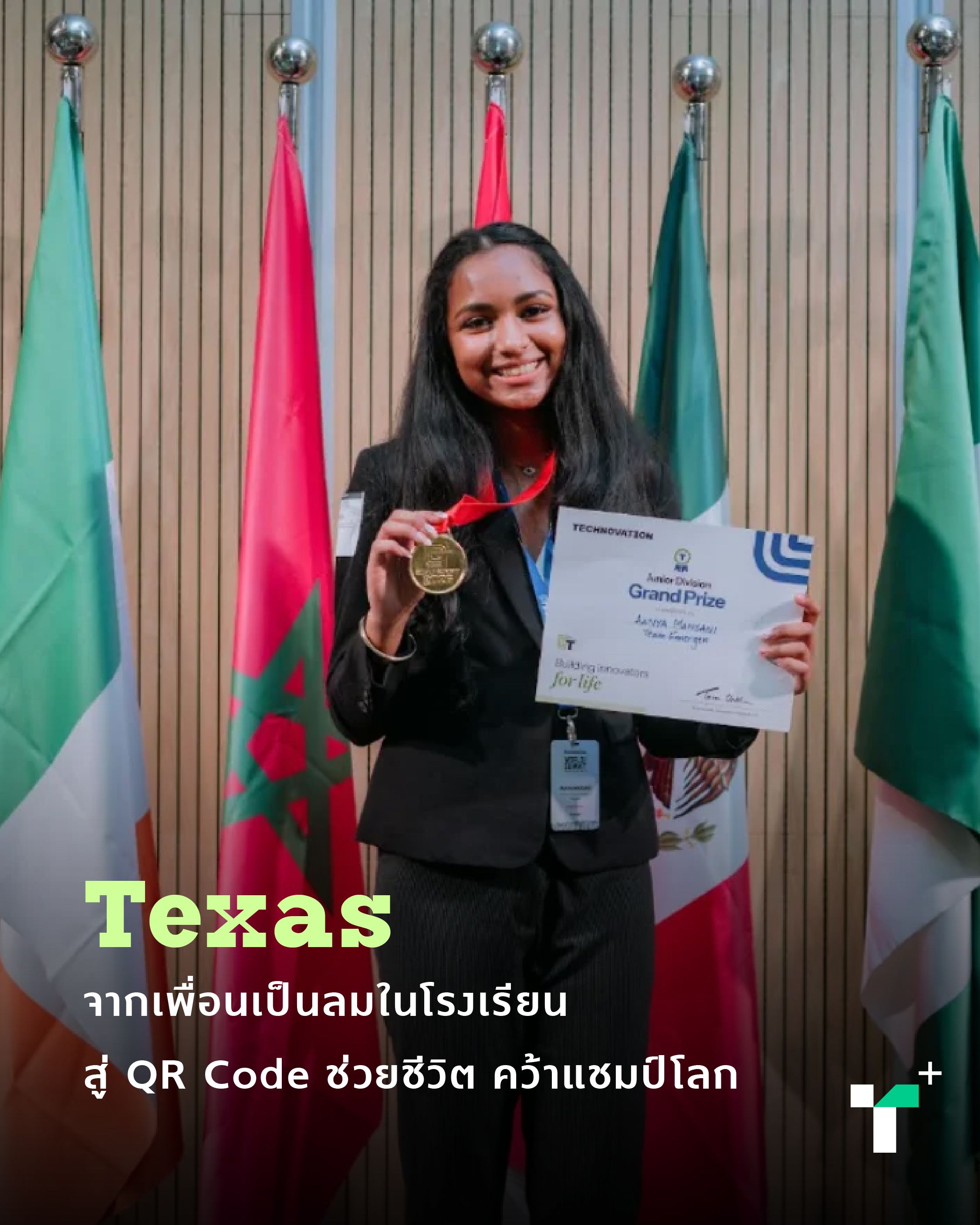
Anaya Mansani, a 15-year-old from Texas, USA, invented “Emergen,” an emergency medical information system using QR Codes, after witnessing a friend faint at school with no one knowing their medical details. The innovation lets people scan QR Codes on common items like student IDs or phone cases to instantly access critical info such as allergies, chronic conditions, and emergency contacts without downloading an app. It includes privacy protections that hide phone numbers. Her team won the grand prize in the youth category at the 2026 Technovation World Summit. She aims to expand usage to schools and communities to improve emergency safety.
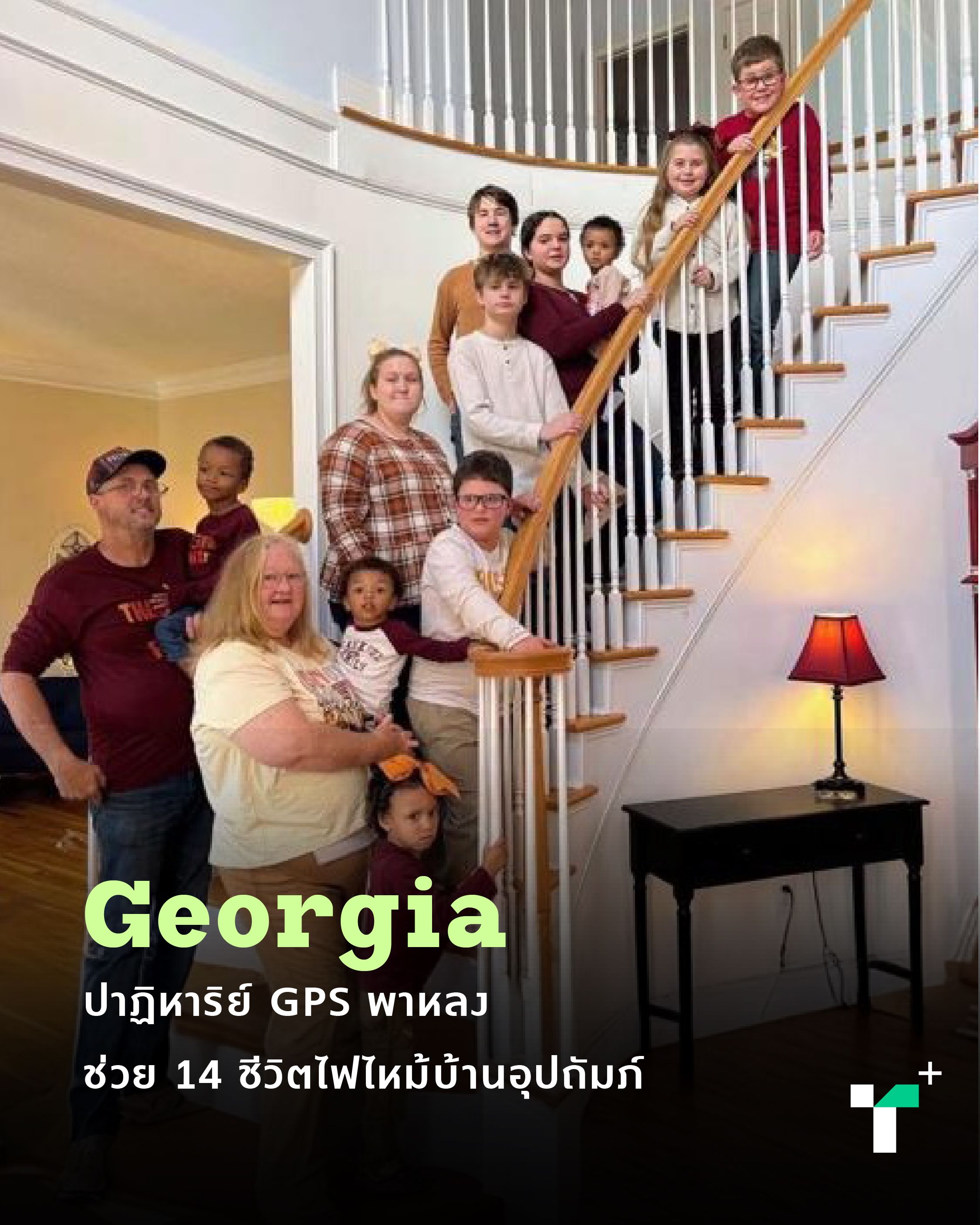
A dramatic event occurred in Chattooga County, Georgia, when a man named KC took a wrong turn due to GPS guidance onto Highway 114. This route led him to see large smoke billowing from the home of James and Larita Burg, foster parents caring for 12 children and one grandchild. KC woke James, who was sleeping in the living room, and together they evacuated all children before the fire fully engulfed the house and damaged vehicles. Though the home was destroyed, everyone was safe. The family has since received overwhelming local community support, having cared for over 500 children through their foster home.
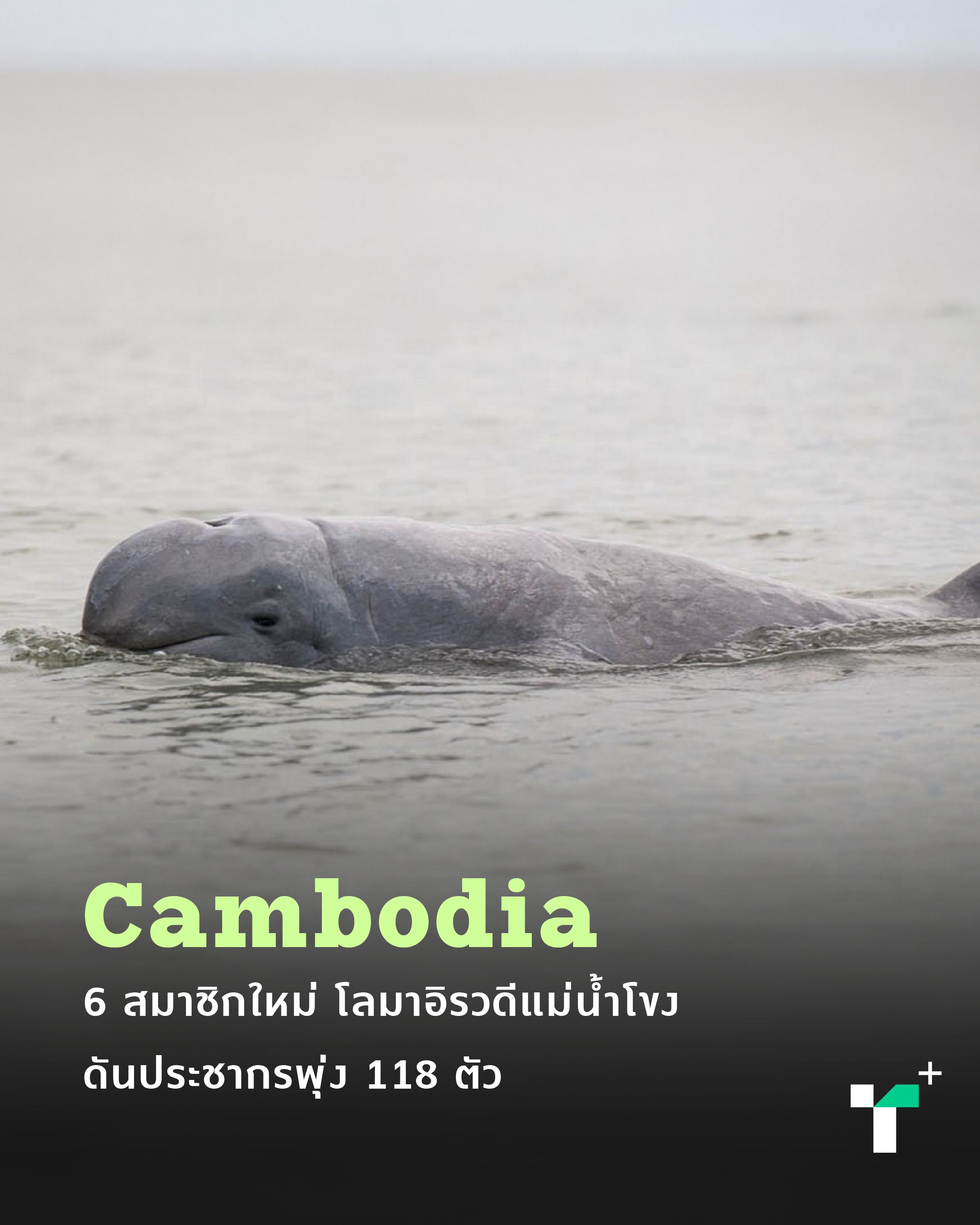
A recent survey during the calving season in northeast Cambodia’s Mekong River found six new Irrawaddy dolphin calves, increasing the population to 118. Locally and according to Buddhist belief, Cambodians and Laotians regard Irrawaddy dolphins as ancestral avatars, fostering strong cooperation between communities and the World Wildlife Fund (WWF) to reduce harmful net fishing. Despite dams on the Mekong, the rise in births indicates sufficient food supply and highlights community conservation efforts’ role in restoring this endangered species.
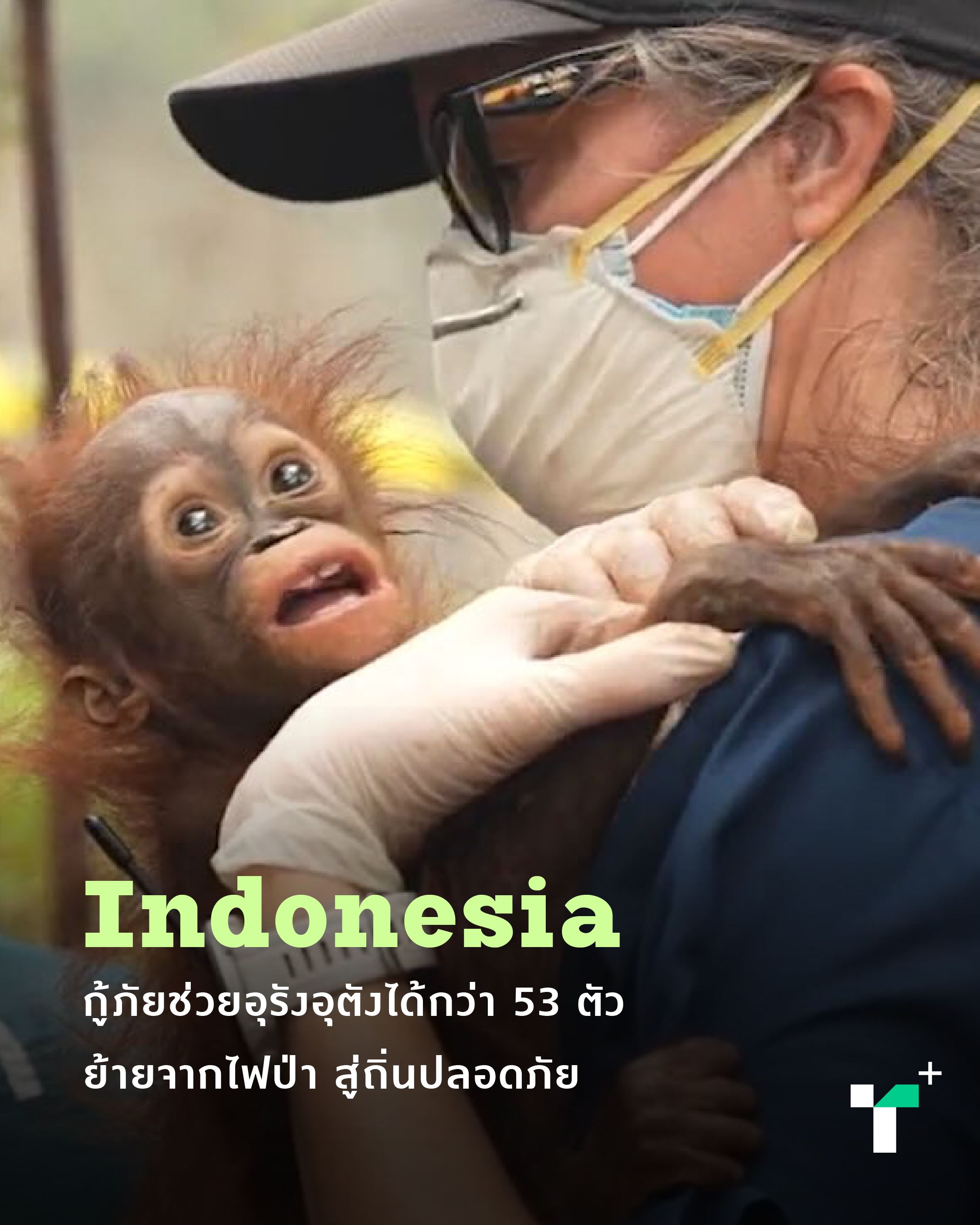
Widespread wildfires across Indonesia’s Borneo island have severely damaged food sources and habitats of critically endangered orangutans. Conservation groups YIARI and International Animal Rescue have raced against time to aid starving and injured orangutans, successfully rescuing and relocating 53 individuals, including mother-offspring pairs and adolescents, to Gunung Palung National Park. All hope seasonal rains will soon extinguish fires and help restore the ecosystem.