

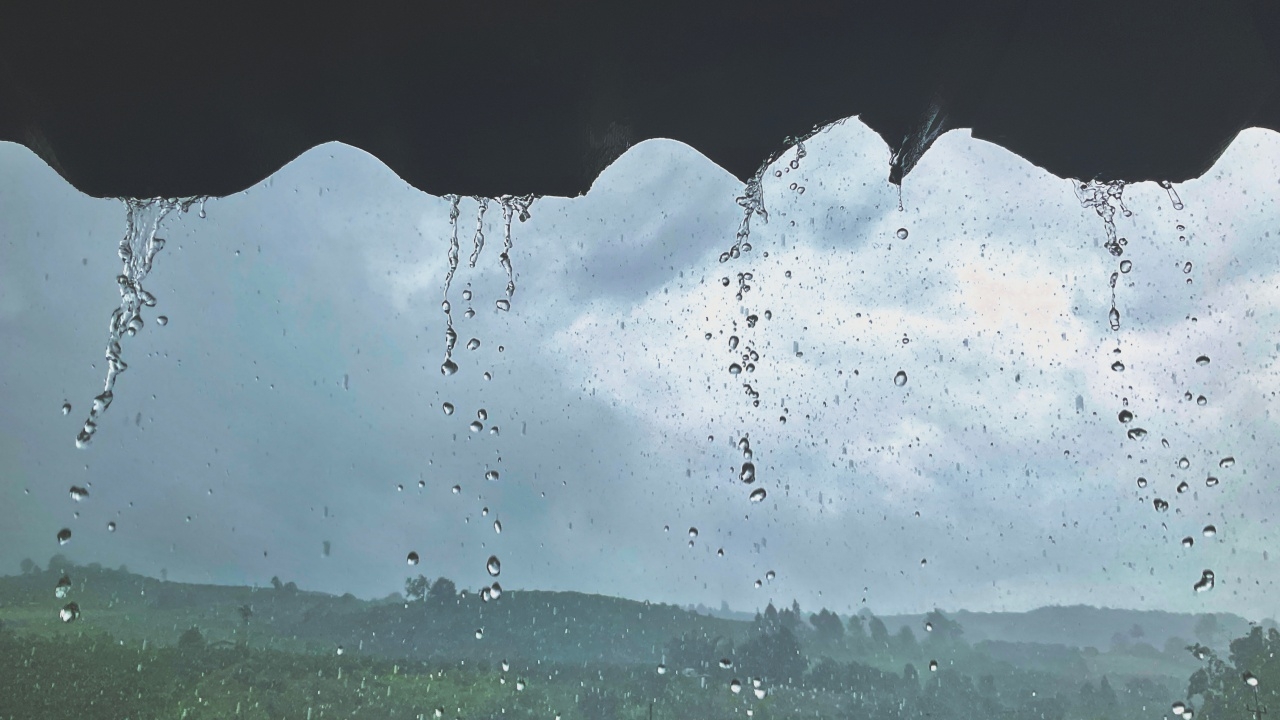
The 2026 global climate crisis poses risks. "Mid-rainy season drought". Warning. "Farmers". Reserve early-season water and regularly inspect crops for diseases and pests.
On 20 May 2026, reports stated that according to forecasts by the Meteorological Department, the rainy season in Thailand from May to October 2026 is expected to be unstable in four phases: early rainy season in May-June with rainfall covering 40-60% of the area, though heavier rain may occur in the eastern and southern regions.
From late June to July, drought periods may occur, followed by heavy rain in August-September risking flash floods, before cooler weather begins at the end of the rainy season in October. The Department of Agricultural Extension urges farmers to prepare careful planting plans to prevent water shortages and pest attacks during unstable weather, which triggers crop diseases and pests.
Mrs. Anchalee Suwajittanon, Director-General of the Department of Agricultural Extension, said that the current global climate crisis or unstable weather is difficult to predict, including droughts, flash floods, summer storms, extreme heat, and pest outbreaks that directly impact agriculture. Disaster management in agriculture requires comprehensive approaches, not only post-event relief but also preparedness, risk reduction, monitoring, recovery, and building farmers' resilience for sustainable adaptation.
1. Regularly monitor weather forecasts and inspect fields to manage crops and promptly control agricultural pests according to the situation.
2. Prepare land by managing water storage and drainage systems to prevent water shortages during June-July, when drought is expected, which could affect crop yields and growth at all stages.
3. Maintain crops by appropriately pruning to conserve moisture, reduce transpiration during water scarcity, and prevent breakage during heavy rains or strong winds. Support stems with stakes or gradually harvest crops to prevent losses depending on weather conditions.
However, in unstable weather conditions that may cause agricultural damage, farmers should prepare initial biocontrol agents against pests, such as Trichoderma fungi, Beauveria fungi, predators, parasitic wasps, or natural enemies. They should study proper and appropriate usage methods to be ready to control outbreaks, preventing damage to yields, fields, and overall agricultural areas.