

The Royal Irrigation Departmentresponds to the policyof Suriya Juangroongruangkitand the government by accelerating improvements to the Ban Sam Phrao watergate in Udon Thani Province to enhance water drainage and storage efficiency for flood and drought management.
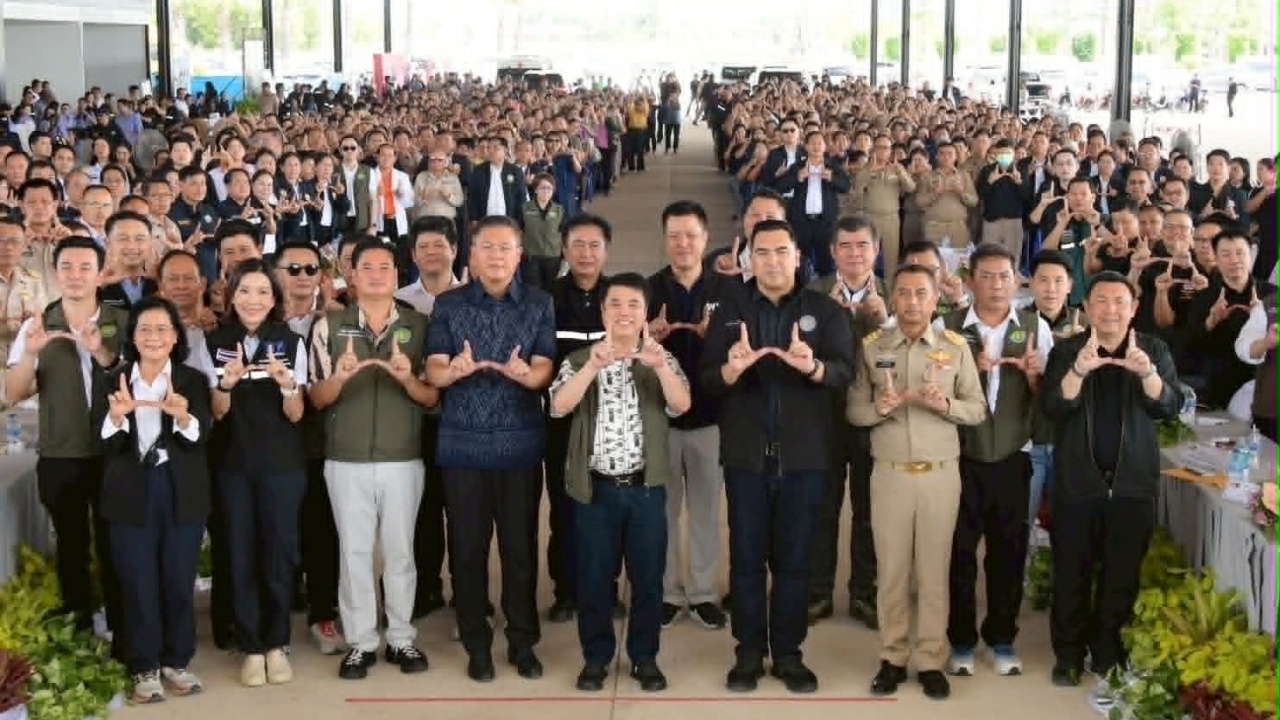
On 26 May, reporters reported that during his mission in Udon Thani Province on 25May, Mr. SuriyaJuangroongruangkit, Minister of Agriculture and Cooperatives, together with Mr. Watcharapol Khawkhum, Deputy Minister of Agriculture, led a team to monitor the water situation, meet locals, and listen to their problems to prepare for the 2026 rainy season at the Sam Phrao watergate in Mueang District, Udon Thani Province. They were joined by Mr. Suriyaphol Nuchanong, Director-General of the Royal Irrigation Department, Mr. Songpol Suaysom, Deputy Director-General, along with other executives and relevant officials who provided a project briefing.

The Sam Phrao watergate was originally an overflow weir without a flexible open-close system, limiting water management potential and unsuitable for coordinating with the expanded irrigation reservoir and pumping station projects. Heavy rains often caused flooding and riverbank overflows due to shallow riverbeds, impacting agricultural land and residents' homes. To address these issues, the Royal Irrigation Department has planned to enhance water drainage efficiency and prevent long-term flooding by constructing a semi-weir watergate capable of discharging up to 300 cubic meters per second, along with installing 10 pumping stations with a combined capacity of 30 cubic meters per second.Construction is expectedto be completed in 2029. Once finished, it will improve water management efficiency in both rainy and dry seasons, accelerating water discharge to reduce flood impacts and storing water for dry spells, supporting agriculture, creating jobs, and sustainably improving local residents' quality of life.
Additionally, Mr. Suriya ordered the Royal Irrigation Department to urgently implement flood mitigation measures to relieve residents’ hardships. These include dredging and widening waterways, removing obstacles, and enhancing irrigation infrastructure efficiency. They will coordinate with local agencies to ensure effective and timely operations, and develop continuous public communication plans, especially before the rainy and dry seasons, to inform locals about water situations, watergate operation plans, and preventive measures to reduce potential risks in advance.