

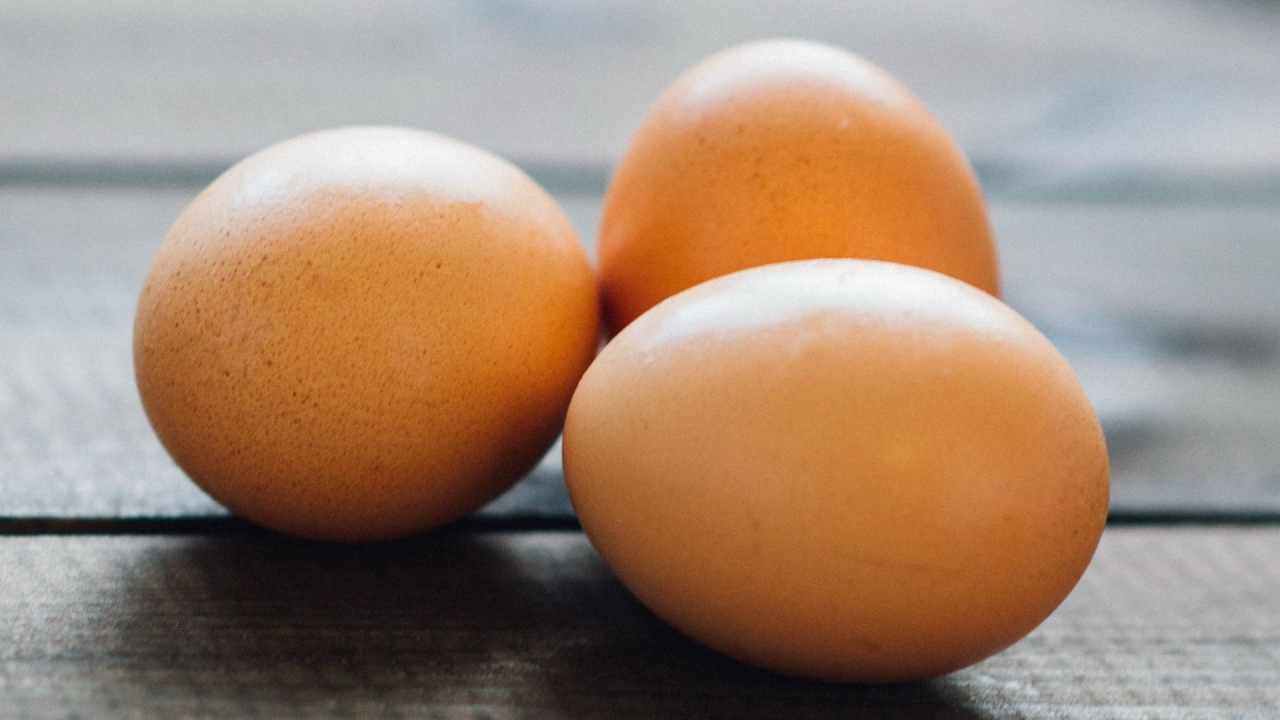
Egg farmers appeal for sympathy as they sell protein cheaper than instant noodles, stressing the Egg Board's role in using market-led production to maintain balance. The board does not block new breeder imports but imposes conditions to prevent the egg industry from suffering another market oversupply and price collapse like in 2009.
A reporter said that the network of egg farming cooperatives announced a recommended price increase of 20 satang per mixed egg at farm-gate, raising the price to 3.40 baht per egg, or a 6 baht increase per tray. This resulted from hot weather entering the summer season, causing hens to produce fewer eggs and smaller-sized eggs.
Mr. Manoch Chuthabtim, President of the Egg Farmers Association, explained the egg price situation, saying that although prices have risen, eggs are still cheaper than other protein types. Farmers view the "average annual price" rather than daily or weekly fluctuations. At times, prices reach 3.60 baht per egg, while at others, they drop to 2.60 baht. Thus, average production cost must be considered.
“However, now I ask for sympathy for farmers because eggs priced just over 3 baht are the cheapest. Compared to other proteins, eating two eggs is filling, and eggs are still cheaper than instant noodles.”

Mr. Manoch revealed that the Egg Board’s current rules and conditions, in place for 5-6 years, are acceptable and have helped balance the egg market. Overall, the business is better than before these conditions were established.
The Egg Board’s policy committee sets quotas for importing breeding stock as a market-led production approach, drawing lessons from past experiences.
However, while demand for breeding stock may seem to be increasing with concerns about scarcity, in reality, egg production and market volumes are not short but limited. It is normal for those wanting to enter the system to try to create conditions to gain access.
Therefore, those affected—new or existing farmers not receiving breeding stock support directly from suppliers—are advised to report to the Department of Livestock Development, which serves as Egg Board secretary, to seek assistance and fairness for all parties.
Mr. Manoch emphasized that he will not comment further, noting that current rules are mutually acceptable to maintain stability in the egg industry.

Previously, the Director-General of the Department of Livestock Development said, “This mechanism manages imports based on market data: with 60 million Thai people consuming an average of 41-43 million eggs daily, produced from 400,000 breeder hens (PS). Import quotas are set to balance production, stabilizing egg prices so farmers can sustain without government subsidies like other agricultural products. Surplus eggs support processing and exports, adding value and sustainability to the industry.”
The import quota system never blocks new players but screens for quality entrants. New players must present clear business, production, and marketing plans to avoid harming the industry’s overall balance.
“If entrepreneurs clearly explain that their imports won’t disrupt price stability or balance, they can apply to the Egg Board. But if we don’t manage this, history from 2009 shows that liberalizing breeder hen imports flooded the market, caused prices to plummet, and led to farmer losses and near collapse. We do not want that to happen again.”