

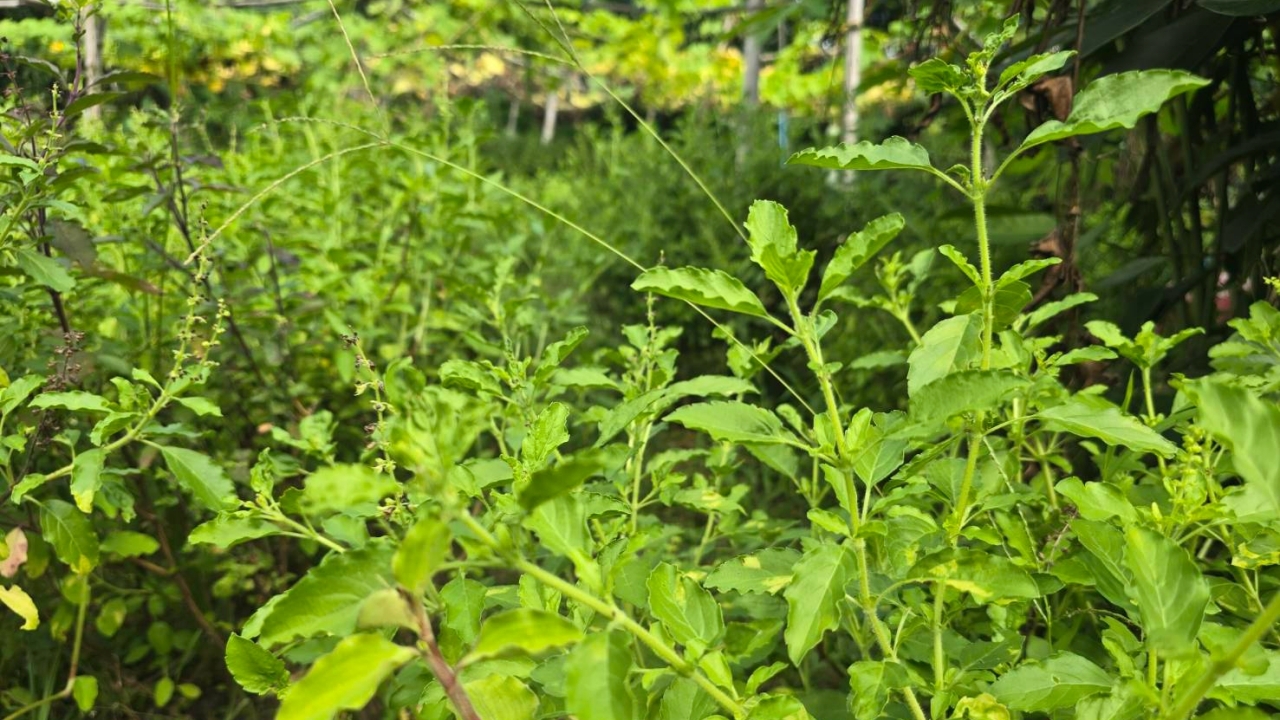
Farmers in Buriram express concern after a private company registered protection for four new basil varieties, fearing impacts on their livelihoods. Minister Suriya confirmed that people can grow the plants for personal consumption, but propagation and commercial sale of protected varieties without permission are prohibited.
On 22 Oct 2026 GMT+7, reporters noted that smallholder farmers in Buriram province grew anxious after the BioThai Foundation revealed that a private company had registered protection for four new basil varieties named Kaewjuree01, Kaewjuree02, Kaewjuree03, and Kaewjuree04 for 12 years, ending in 2036, under the Plant Variety Protection Act of 1999. These varieties were developed from the native basil variety (code CPR1) using chromosome induction combined with tissue culture techniques to produce traits suitable for cooking.
During field visits to the Ban Nonsawan vegetable farming community enterprise in Ban Dan district, Buriram, Ms. Saisawat Thongsut, 55, said basil is a common kitchen herb cultivated by ancestors. She fears that if in the future people cannot buy and sell basil in regular markets, it may cause difficulties for villagers who might have to resort to purchasing from department stores or convenience stores instead.

Meanwhile, Ms. Phen Chantasin, 74, who grows various kitchen vegetables for additional income to support her family, expressed disagreement with any restrictions that would prevent her from selling the basil she grows herself.
Ms. Nuchan Sunnarong, 69, admitted she was shocked and very concerned because she sells kitchen vegetables at local markets as a side income. She said if growing and selling basil becomes illegal, she would be ready to uproot her plants.

Meanwhile, Mr. Suriya Juangroongruangkit, Minister of Agriculture and Cooperatives, clarified to calm public concern. He confirmed that the registration of new plant varieties is lawful and protects private research, similar to intellectual property rights in pharmaceuticals, and does not affect the general public or most farmers. People may still plant protected varieties for household consumption, but propagation and commercial sale without permission are prohibited. Traditional local basil varieties cultivated and sold by farmers remain unaffected and can be freely grown and traded.
However, BioThai continues to raise long-term concerns that if Thailand amends its plant variety protection law to comply with the UPOV 1991 Convention, it could impact farmers' rights to save or share seeds for planting, even without commercial intent, and may hinder future plant breeding and development efforts.