

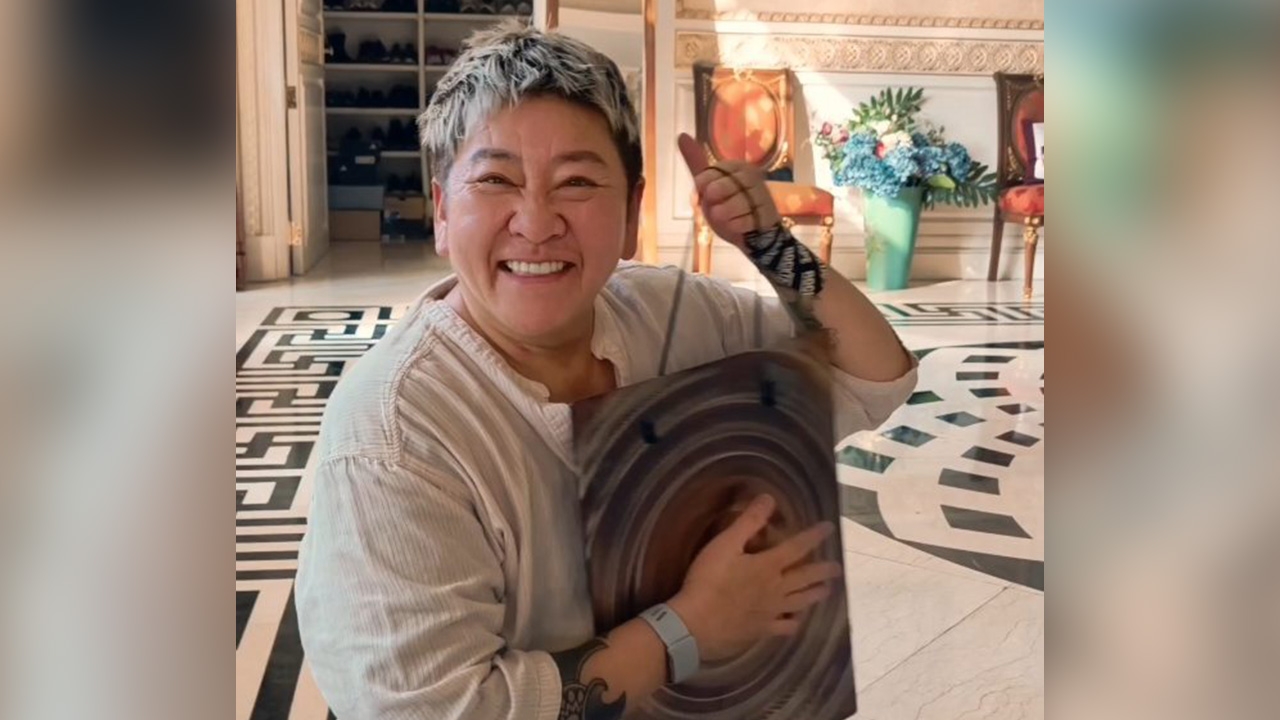
The issue of childhood sexual abuse is currently a hot topic, and one person who has openly shared his traumatic childhood experience is Pa Top Patinya Khwanchakun. He shared a very painful story two years ago about being sexually abused by his family's driver, which resulted in pregnancy. This happened when Pa Top was about 11 years old. He said, "Women should have a voice on this matter. We shouldn’t have to hide it from men."
Pa Top revealed this story on the "Kuy Zap Show" on channel one31 last July 2024.
A childhood emotional wound?
"It’s a matter that pushed me to awaken because everything happened to me. It was very serious. At 11 years old, I was raped by the driver who took me around, to school. My parents were busy working to earn money, afraid we wouldn’t have enough to eat because we were poor. They always worked, and I was sent by the driver but never watched closely. On the way back, he would stop somewhere; I don’t know how long, I can’t remember. I have no memory of that time, only a vague feeling that something was strange and uncomfortable, and I didn’t know who to tell."
"I guess I was already menstruating at 11 because I became pregnant and had an abortion. My school friends said that after 6th grade, I suddenly disappeared from school. They wondered where I went because my mother sent me to England. Life didn’t make sense then; my body was in a state of fear."

Why didn’t you tell your parents, even though they did everything for you?
"They knew because my aunt noticed my changing body, probably suspecting I was pregnant. She suspected something had happened to her niece. This is what adults told me later; I don’t remember. Once they found out I was pregnant, they took me for an abortion and then sent me abroad. I don’t know how they handled it afterwards."
How was life when you were sent to England?
"My life was very good. I was a popular kid at school. Friends liked me because I was cheerful and willing to try anything. I couldn’t speak a word of English but could sing English songs in sets, without knowing their meaning. Whenever someone spoke to me, I sang, so I became a liked kid. They said I was bright and loved everywhere I went. I had a very good life."
When did your parents find out that you had been abused by the driver?
"Since I was a child. My parents also had their own defense mechanisms, like I did. I deleted the memories. Their way of coping was not to talk about it. Talking only hurt and made them feel like failing parents who couldn’t help their child. (How did you deal with the driver?) I don’t know. Probably nothing happened to him, no harm done. (Have you forgiven him?) I have forgiven completely. The severe event in my life is a lesson for awakening. Everything is a lesson. If you can find a lesson in every obstacle, what happens is not regrettable."
When you were there, did anyone ever talk about this?
"No. (Did you talk about it when you grew up or came back?) I only recently gave an interview and spoke about it for the first time."
How do you feel now about what you said inside?
"It’s okay now. I talked with my mother, though my father doesn’t know much. My mother talked and said that when the chance came, I should tell her, hug her, and say that she is not at fault, not responsible for this—it’s my karma."

Why did Pa Top decide to speak out about this?
"Women should have a voice on this matter. We shouldn’t have to hide it from men."
How did your mother react when she heard you speak?
"She said she didn’t dare to watch the show. She didn’t have to watch it, but it was my duty to speak. She cried. That week after the show aired, it took her more than a week to talk about it. When she finally spoke the first word, tears flowed immediately. She cried."
This kind of thing shouldn’t happen to anyone, but if it does, how can one cope or get through it?
"Nowadays there are hotlines and many people ready to help. Find someone to talk to, preferably a woman. It’s not necessary to go to a temple or speak with monks. Call the various hotlines that listen, consult psychiatrists, and let it out. Unravel the knot. If you can unravel it, you will find reasons. When you find reasons, you can forgive."
If there are women watching at home who have been through this, what encouragement would you give them?
"I’ve had younger women contact me. When I appear on shows, many young women reach out to me. They come for voice therapy and get to know me. We help many feel better—about 90% of those who call improve."
How many years did it take you to process and become strong?
"From the incident until I turned 60. Forgiveness is not a one-time thing because behaviors and complexes follow. For example, if you get angry easily, you forgive one issue but another arises. They surface layer by layer. You forgive each layer. I’m still not finished."
/Click to read/Entertainment NewsMore
