

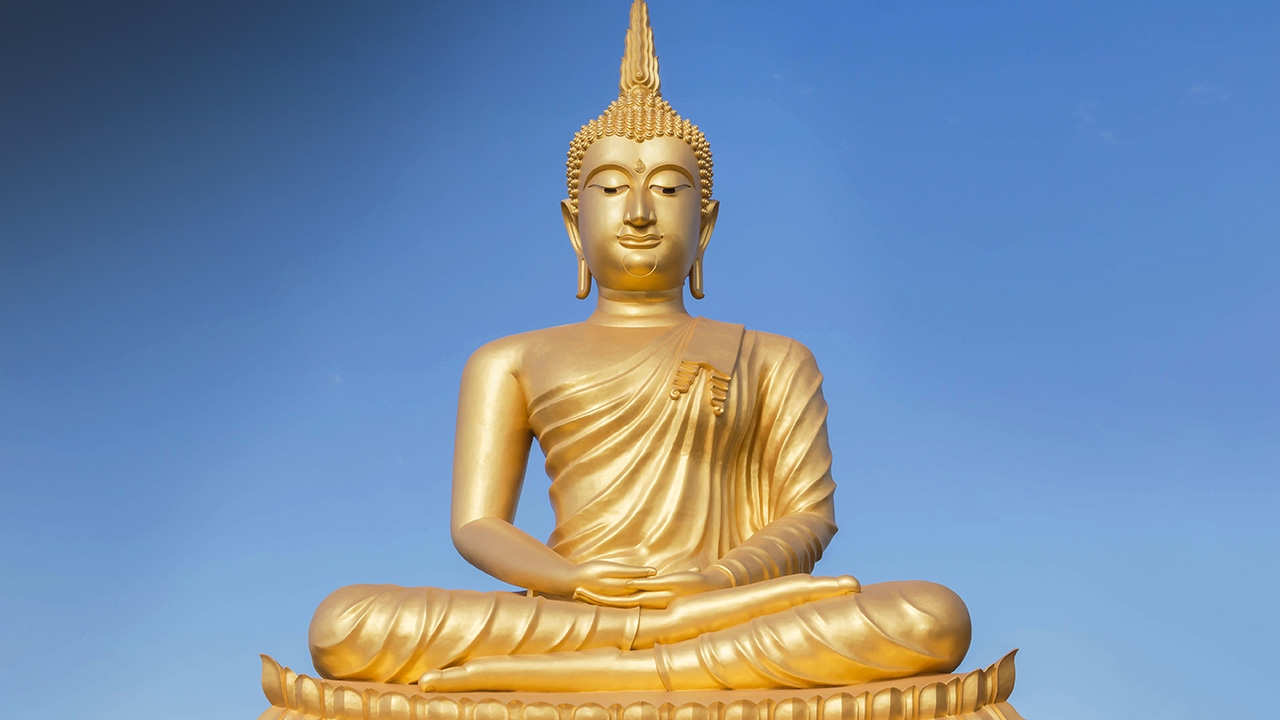
Magha Puja Day 2026 GMT+7 3 Mar 2026 GMT+7 It falls on 3 March, the 15th lunar day of the 3rd month. In the morning, people commonly go out to make merit by giving alms, listening to sermons and dhamma talks, releasing animals, donating, and in the evening, participating in candlelight processions every year.
The significance of Magha Puja Day is that 1,250 monks gathered spontaneously for an assembly without prior arrangement.
1. It brings calmness, reduces anxiety, and increases happiness.
2. Listening to dhamma leads to insight and helps find solutions to life’s problems.
3. Practicing loving-kindness makes one beloved by humans and deities; enemies turn into friends.
4. It accumulates merit and virtue for prosperity in career and family life.
Additionally, the heart of Magha Puja Day is the "Ovada Patimokkha" teaching. This means doing good, avoiding evil, and purifying the mind. Doing these three is considered the highest merit on this day.
Imīnā sakkārena Buddhaṁ abhipūjayāmi, imīnā sakkārena Dhammaṁ abhipūjayāmi, imīnā sakkārena Saṅghaṁ abhipūjayāmi.
Arahaṁ sammā-sambuddho bhagavā Buddhaṁ bhagavantaṁ abhi-vādemi (bow)
Sāvaka-sārakaṁ bhagavato Dhammo dhammaṁ namāmi (bow)
Supatti-panno bhagavato sāvakasaṅgho saṅghaṁ namāmi (bow)
(Recite Namo Tassa thrice)
Namo tassa bhagavato arahato sammā-sambuddhassa
Namo tassa bhagavato arahato sammā-sambuddhassa
Namo tassa bhagavato arahato sammā-sambuddhassa
Vaṇṭāmi Buddhaṁ, sabbe metta-saṅkhāra, khamatha me bhante; vaṇṭāmi Dhammaṁ, sabbe metta-saṅkhāra, khamatha me bhante; vaṇṭāmi Saṅghaṁ, sabbe metta-saṅkhāra, khamatha me bhante.
Buddhaṁ saraṇaṁ gacchāmi
Dhammaṁ saraṇaṁ gacchāmi
Saṅghaṁ saraṇaṁ gacchāmi
Dutiyaṁ pi Buddhaṁ saraṇaṁ gacchāmi
Dutiyaṁ pi Dhammaṁ saraṇaṁ gacchāmi
Dutiyaṁ pi Saṅghaṁ saraṇaṁ gacchāmi
Tatiyaṁ pi Buddhaṁ saraṇaṁ gacchāmi
Tatiyaṁ pi Dhammaṁ saraṇaṁ gacchāmi
Tatiyaṁ pi Saṅghaṁ saraṇaṁ gacchāmi
Itipi so Bhagavā arahaṁ sammā-sambuddho vijjācaraṇa-sampanno sukatto lokavidū anuttaro purisa-dhamma-sārathi sattha deva-manuñānaṁ Buddho bhagavati (praise of the Buddha’s qualities)
Suvaco bhagavato dhammo sandiṭṭhiko akāliko ehipassiko opanayiko paccattaṁ veditabbo viññūhīti (pronounced 'vin-yu-hee-ti') (praise of the Dhamma)
. . . (Dhamma qualities)
Supatipanno bhagavato sāvakasaṅgho ussūpatipanno bhagavato sāvakasaṅgho jñāyapatipanno bhagavato sāvakasaṅgho sāmijīvipatipanno bhagavato sāvakasaṅgho yatthaṁ cattāri purisayugāni aṭṭha purisapuggala esa bhagavato sāvakasaṅgho āhuneyyo pāhuneyyo takkeneiyo añjalikaraṇīyo anuttaraṁ puññakkhettaṁ lokassāti (praise of the Sangha)
Pahung sahassam abhinimmita sābudhantaṁ kirimekhalaṁ uthitakhorasa senāmāraṁ thanathamma vidhinā chitavā muninto tantechā bhavatu me chayamangalāni
Mārātirekam abhiyuchchita sapparattinga khoram panālavakamakam atthayakkhaṁ khantisutanta vidhinā chitavā muninto tantechā bhavatu me chayamangalāni
Nālākirin kachavaraṁ atimatthabhūtaṁ thavakkichakkamasanīva sutarunantaṁ mettam pusesakavidhinā chitavā muninto tantechā bhavatu me chayamangalāni
Ukkhitta chakkam atihatta sutarunantaṁ thāvanti yochanapatangkulimā vantaṁ itthībhisaṅkhata mano chitavā muninto tantechā bhavatu me chayamangalāni
Gattavāna katthamutharaṁ iva kapphinīyā jinjāya tudhavācanan saṇakāyamacche santena somavidhinā chitavā muninto tantechā bhavatu me
Chayamangalāni sacchaṁ vihāya mati-saccakavātāketaṁ vātāphiropitam anādhandhabhūtaṁ paññāpatipacālito chitavā muninto tantechā bhavatu me
Chayamangalāni nantopanantaphuchakaṁ viphudhaṁ mahitthaṁ puttena theraphuchakena tamapayanto itthūpatesa vidhinā chitavā muninto tantechā bhavatu me
Chayamangalāni tukkāhatitthiphuchakena sutatthahattaṁ brahamaṁ visuttichutimitthipakābhdhānaṁ jñānakatena vidhinā chitavā muninto tantechā bhavatu me
Chayamangalāni etāpi buddha chayamangala aṭṭhakatha yo vācanō tinātine sarate matantī hitavānekavividhāni jupatthāvani mokkhaṁ sukhaṁ adhikameyya nāro sapanyo
(If chanting for others, change “me” to “te”)
Mahākāruṇiko nātho hitāya sabbapāṇinaṁ pūretvā pāramī sabbā patto sambodhimuttamaṁ etena sacchavacceho hotu me
Chayamangalāṁ chayantō bodhiyaṁ sakyānaṁ nandi vaddhano evaṁ ahaṁ vichayo homi (If reciting for another, change to Tavang Vichayo Hohi)
Chayas-su chayamangalē aparājita pallange sīsa pathavipokkhare apisekē sabbabhuttānang akkappatto pamotāti; sunakkhattaṁ sumangalaṁ supabhātaṁ suhuttaṁ sthitaṁ sukhaṇo sumuhutto ca suyitthaṁ brahma jārisu pathakkiṇaṁ kāyākammaṁ vājakammaṁ pathakkiṇaṁ pathakkiṇaṁ manogammaṁ paṇidhīti pathakkiṇā pathakkiṇā ni kattavāna labhantatte pathakkine; bhavatu sappamangalāṁ rakkhantu sappha devatā sappabuddhanuvāvanā satā sotthī bhavāntu me; bhavatu sappamangalāṁ rakkhantu sappha devatā sappadhammanuvāvanā satā sotthī bhavāntu me; bhavatu sappamangalāṁ rakkhantu sappha devatā sappasaṅghanuvāvanā satā sotthī bhavāntu me.
Ahaṁ sukhito homi – May I be happy.
Nippatukho homi – May I be free from suffering.
Averō homi – May I be free from enmity.
Appayāpajjo homi – May I be free from all obstacles and dangers.
Anīgho homi – May I be free from mental and physical suffering.
Sukhī attānaṁ pariharāmi – May I be happy in body and mind, protected from all harm.
Sappe sattā – All beings who share suffering, birth, aging, sickness, and death together.
Averā hontu – May they be happy and free from enmity toward one another.
Appayāpajjā hontu – May they be happy and free from harming one another.
Anīghā hontu – May they be happy and free from suffering of body and mind.
Sukhī attānaṁ pariharantu – May they be happy in body and mind, protected from all harm.
I dedicate the merit from this meditation practice to all my karmic debtors, whom I have wronged from past lives until now. Wherever they may be, may they receive this merit and forgive me, and may they rejoice in this merit by its power.
However, if someone has prepared offerings for merit-making in the morning of Magha Puja Day but cannot or prefers not to join the evening candlelight procession due to crowding, they can open these chants and perform the prayers and ceremonies at home themselves.