

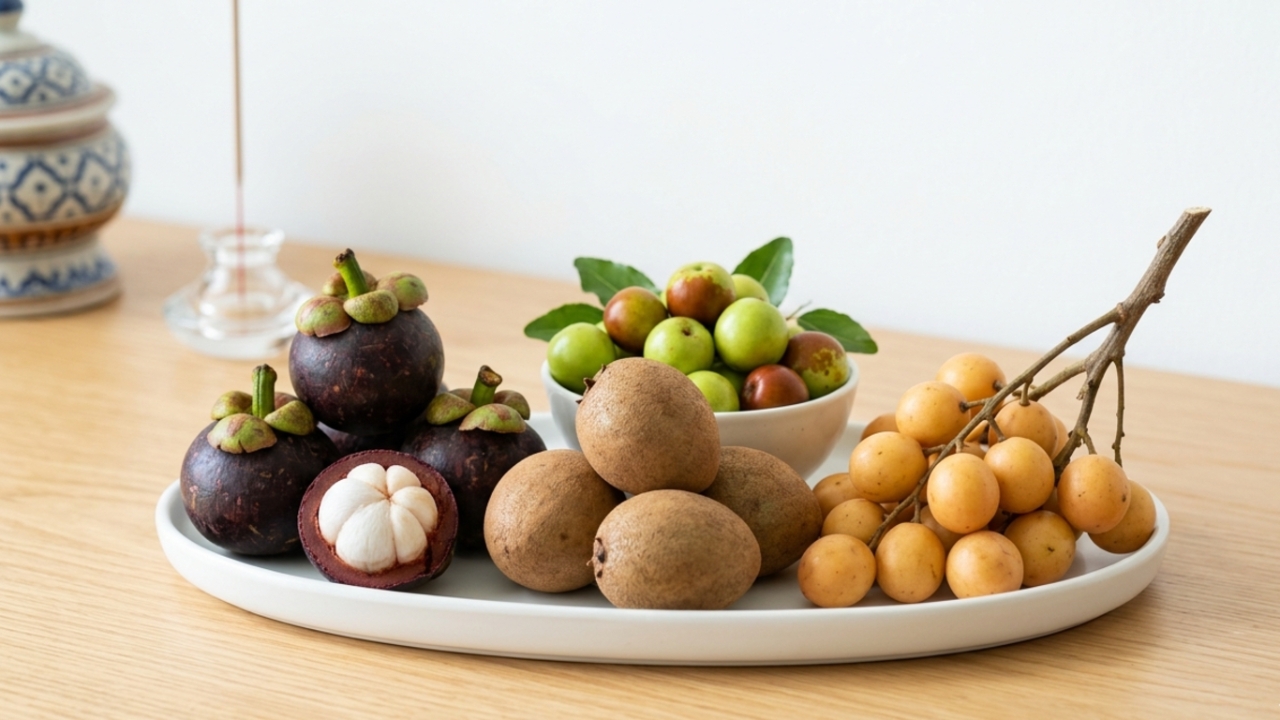
Worshipping the land deity to enhance auspiciousness can backfire if you accidentally violate three ancient taboos: offering unlucky fruits, using damaged offerings, and neglecting to keep the altar clean. Check these now before your luck slips away.
The tradition of worshipping the land deity and territorial spirits is deeply rooted in Thai society, primarily as a way to show respect to the sacred entities that protect the home.
However, ancient belief texts state that to achieve the highest auspiciousness, there are “taboos” that worshippers must be cautious of, so as not to unknowingly generate negative energy or block good fortune.
Choosing fruits for the land deity’s offering involves more than just appearance; one must consider the hidden meanings. Ancient advice warns to avoid fruits whose names sound like negative words or imply obstacles in life, including:
Items presented to sacred entities should be newly purchased and intact. It is strictly forbidden to offer spoiled, bruised fruits or food that has been tasted. According to belief, such acts show disrespect and diminish sanctity, potentially causing life to encounter obstacles and difficulties.
The site of the spirit house or the incense pot is the energy center of the home. If this area is left dirty, cluttered with incense ash overflowing the pot, or emitting unpleasant odors, feng shui teaches that such an environment generates negative energy that repels fortune. Therefore, regularly cleaning the worship space is crucial to welcoming positive energy into the home.
To ensure worship of the land deity brings benefits and attracts luck, it is essential not only to prepare offerings properly according to belief but also to pay close attention to the details and cleanliness of the worship area.