

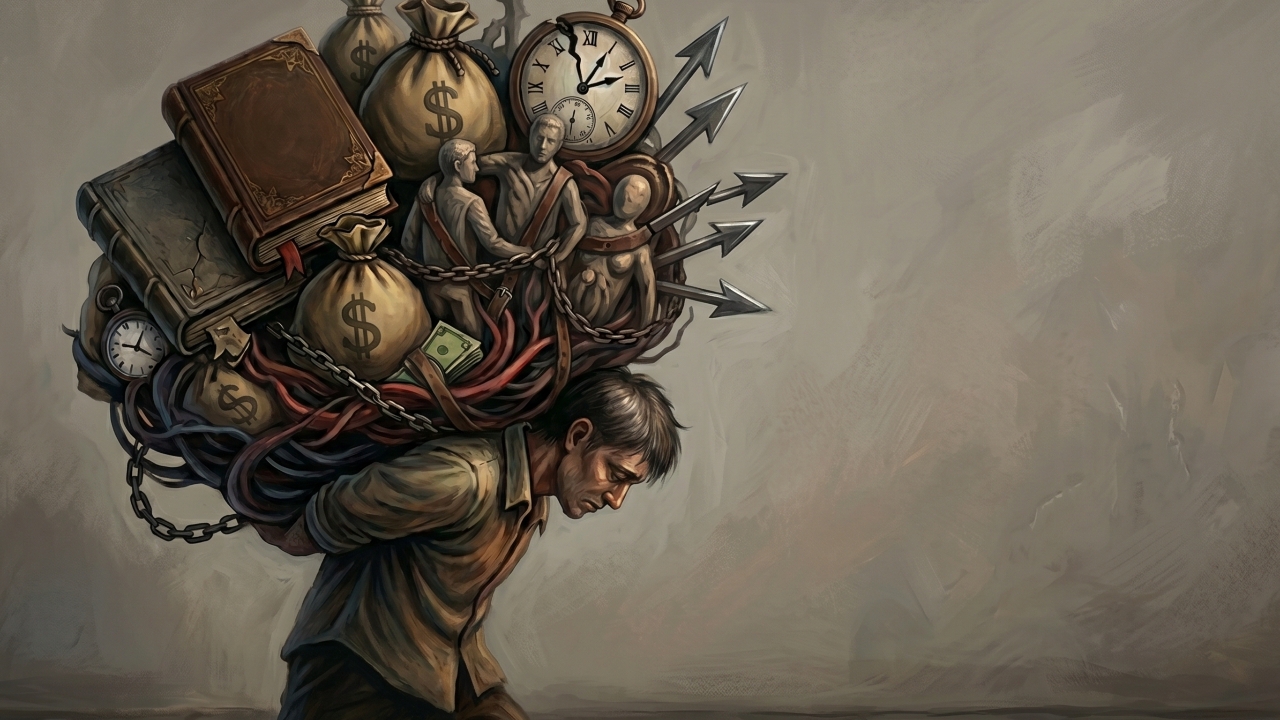
Are you tired of solving problems for others? Check these 5 traits. "Burden bearers" Signs of people who can't say no until their lives collapse, with an in-depth look at psychological effects and ways to "cut the burden" to reclaim personal happiness.
In Thai society, which highly values gratitude and kindness, many grow up playing the role of "the burden bearer," caring for both parents and children. Sometimes, the line between "gratitude" and "being exploited" becomes blurred.
The term "burden bearer" doesn't always imply something supernatural. Psychologically, it refers to people with high empathy who prioritize others' happiness over their own. To see if you fit this profile, observe these 5 traits.
The clearest trait is excessive consideration. When someone asks for help, you tend to agree immediately, even though inside you want to shout "no," because you fear being disliked or damaging the relationship. In the end, you carry stress and take on others' work to the point of overload.
When you see people around you facing problems, you feel more anxious and restless than they do. You often jump in to help or speak up on their behalf, even when they haven't asked. This behavior causes others to become dependent on you and blocks their chance to learn and grow.
This deep psychological symptom arises when you are living well or about to spend money on your happiness, but then you see family members or loved ones struggling. You immediately feel "guilty," which stops you from fully enjoying happiness and leads you to sacrifice your joy to support others instead.
Burden bearers tend to be overly good listeners, absorbing others' negative emotions. The danger is that when your mind can no longer bear the load, your body begins to protest, leading to burnout and unexplained physical illnesses like chronic back pain, migraines, or insomnia.
You often give chances to those who hurt or exploit you repeatedly, always finding excuses like "they didn't mean it" or "they're going through a hard time." This excessive optimism opens loopholes for selfish people to exploit your life.
If you find yourself exhibiting all these traits, the most effective way to break the cycle isn't temple rituals but changing your behavior as follows.
Having compassion is good, but helping others to your own detriment is a form of self-harm. Remember, "You cannot save others if you can't save yourself." Returning life's burdens to the rightful owners is the first step toward a light and truly free life.