

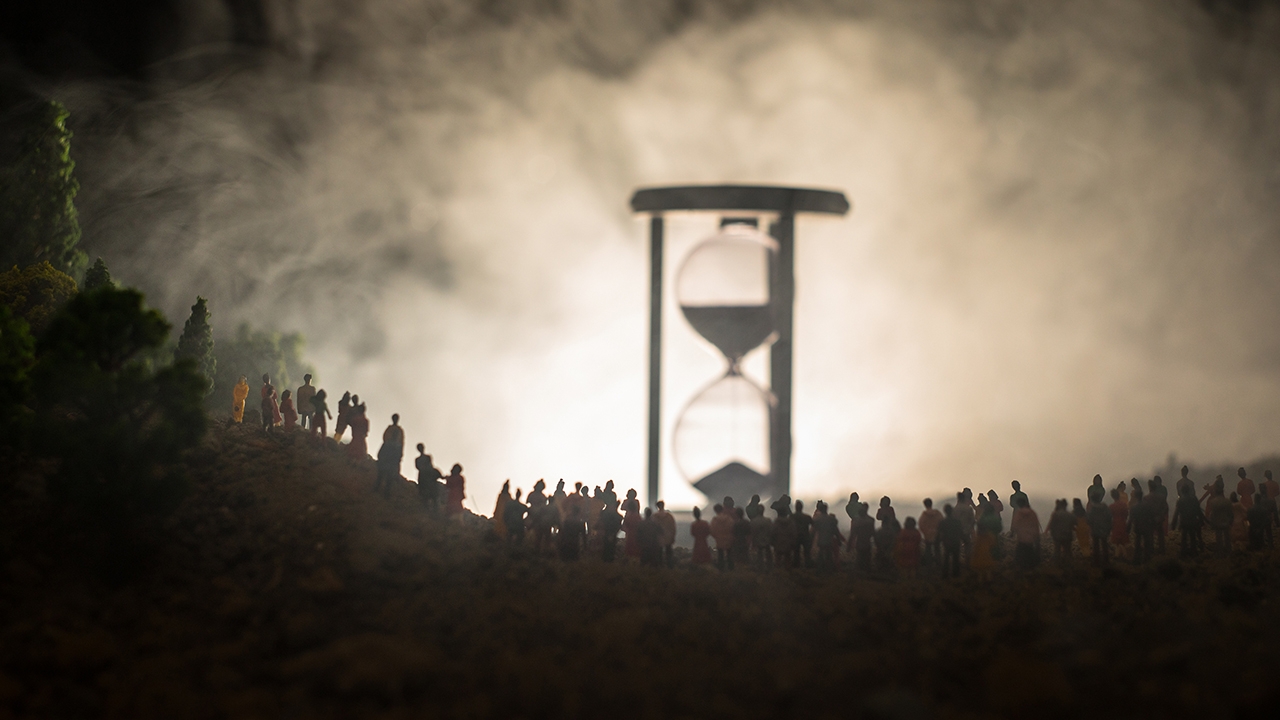
Nowadays, we can track our health every second, but why do polls indicate that most people still "do not want to know their own date of death"? Exploring the psychology of fear and self-deception that we still believe we have ample time.
We live in an era where humans are addicted to data-driven insights. We wear smartwatches to monitor heartbeats, count steps, measure sleep quality, and even send saliva for DNA testing to assess genetic disease risks. We crave knowing everything about our bodies to combat aging and extend lifespan.
But when asked the question, "If there were technology that could accurately tell you the day you will die... would you want to know?" data becomes something most people refuse to accept.
An international survey by YouGov reveals an interesting figure: over 74% of adult respondents choose "not to know" the final schedule of their lives. Why do modern, intelligent people with abundant information choose to leave this most crucial data in the shadows?
From a psychological perspective, there is a theory called Terror Management Theory (TMT) which explains that humans are aware of their own mortality, but this awareness creates intense fear (Existential Terror). Our brains develop defense mechanisms to cope. We alleviate this fear by creating life goals, accumulating wealth, and living as if we were immortal.
Modern people often have many "things they want to do but haven't yet." We always tell ourselves, "I'll do it when I have time" or "I'll wait until I'm ready." Not knowing the date of death sustains the illusion that we still have plenty of time. If we knew that in 3 months, 1 year, or 5 years would be our last day, this data could shatter our existing mindset, destroy ambitions, and lead to unbearable despair.
Conversely, a minority (about 26% from the same poll) choose to overcome their fear and embrace this information, aligning with the mindset of modern Hyper-Achievers or those who practice extreme life planning (such as the FIRE Movement aiming for early retirement).
For this group, data is power. Knowing the end date is not a curse but "the most effective countdown timer." They reason that knowing this secret helps them
In the near future, as AI and precision medicine advance to their peak, accurately calculating lifespan may no longer be science fiction.
Death is not as frightening as living without knowing what you are doing. Ultimately, this article does not seek to answer whether you should know your date of death but rather questions our current lifestyle: "Since you truly don't know if your next breath is your last... why do you still live as if you have plenty of time?"
Try putting down your smartwatch for a moment and ask yourself, if today were your last day, have you done what you should?