

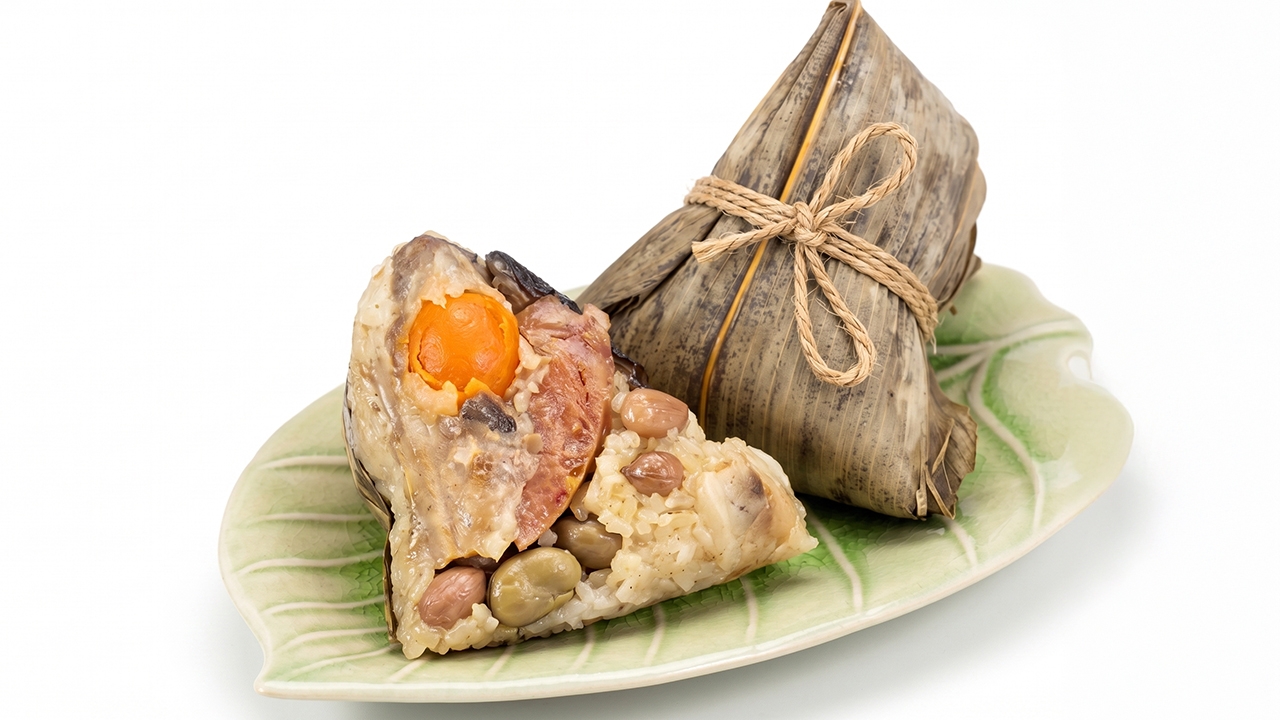
The Zongzi Festival has passed, but luck can still be extended! We invite you to decode the auspicious meanings of the ingredients and reveal 5 simple tips to enhance fortune and luck for the second half of the year, helping you continuously attract wealth and boost your luck.
Although the Zongzi Festival has recently ended, the fragrance of bamboo leaves and the distinctive flavor remain memorable. Beyond being a dish rich in historical stories, each ingredient wrapped inside carries auspicious meanings according to ancient Chinese traditions.
Thairath Online invites you to decode the hidden meanings within this delicious food and shares spiritual tips on how, after the zongzi offering, you can build on the merit gained to receive good fortune during the second half of the year.

The deliciousness of zongzi is not accidental but a result of carefully selected ingredients with positive meanings, meant to bless both giver and eater. According to Chinese cultural beliefs, the popular ingredients symbolize the following:
For spiritual followers who fully prepared offerings, here are 5 practices to maintain good energy balance and open the door to fortune in the coming months.
1. Share the offerings Distribute the auspicious blessings after the offering ceremony. Sharing zongzi with elders, neighbors, or those in need spreads blessings. According to belief, the more you give, the more you receive, opening the way for fortune and good friends to enter your life.
2. Clean the altar and offering table after the festival Clean the sacred areas in the home thoroughly by removing incense ash and candle remnants. A clean, clear space attracts positive energy (chi) into the house, benefiting your career and finances.
3. Build on merit by donating coffins or rice To strengthen your fortune for the year's second half, it is recommended to make merit related to food or life extension, such as donating dry rice or coffins. This helps dispel obstacles and smooth your destiny.
4. Organize finances and set new goals Since the zongzi festival falls mid-year, it is an auspicious time to review your accounts, check income and expenses, and set new financial targets. Being mindful of spending lays the foundation for sustainable wealth.
5. Avoid negative speech After offering to deities and ancestors, control your words by speaking positively, avoiding gossip or curses. Ancient beliefs hold that auspicious speech attracts wealth and invites blessings from the divine as requested.
The Zongzi Festival is not only a time to remember ancestors and heroes but also a profound practice combining gratitude, food culture, and morale building. Consuming auspicious ingredients alongside good conduct serves as protection and motivation, helping us move forward steadily and prosperously in the second half of the year.