

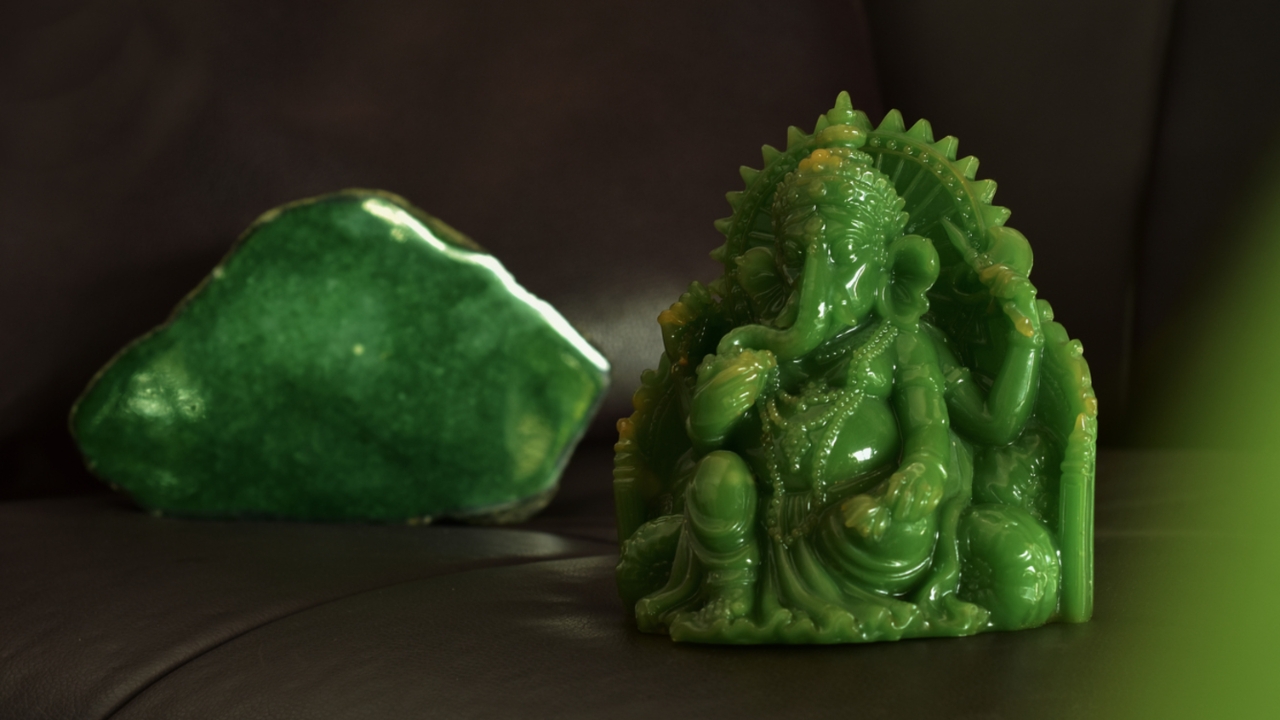
When it comes to a gemstone popular for a long time, " jade " (Jade) is probably one of the first names that many people think of because it is not only a beautiful ornament but also a symbol of luck, wealth, longevity, and protection according to the beliefs of the Chinese and many Asian countries.
Even today, with many gemstones to choose from, jade remains popular in the form of bracelets, rings, pendants, and charms. Many believe jade can bring positive energy to the wearer and is a favored auspicious gift for special occasions.
Jade is a collective name for two types of minerals used to make gemstones. Although both are called "jade," they differ in mineral composition and properties, namely:
Beyond its beauty, jade is revered as a gemstone of good luck and auspiciousness in Chinese belief for centuries. It is thought that wearing jade brings blessings of wealth, prosperity, longevity, good health, inner peace, balance, and protection from harm or misfortune.

In Chinese culture, " jade " has been highly valued for over 3,000 years and regarded as a gemstone with both material and spiritual worth. The ancient Chinese philosopher " Confucius " described the qualities of jade as symbolic of the five virtues of humanity, which are:
Jade has a smooth and warm texture but is strong inside, resembling a person with a kind heart who is gentle to others but steadfast in principles.
Jade is valuable on its own and does not need adornment, symbolizing someone who upholds righteousness and does what is right.
Jade is translucent, revealing its inner structure when viewed closely, symbolizing a wise person who understands reasons and sees deeply into matters.
The color and texture of jade are consistent and straightforward, representing sincerity, integrity, and trustworthiness.
Jade is tough and durable, difficult to break, akin to a courageous person who is resilient and steadfast in facing challenges.

Jade comes in various shades, each with different meanings according to Chinese beliefs and gemstone enthusiasts. Each color is often associated with different positive energies as follows:
Green jade is the most popular color and is considered a symbol of good fortune, wealth, and prosperity, believed to enhance opportunities in career, finance, and health. Therefore, many prefer wearing green jade bracelets or pendants.According tobeliefs,
White jade represents purity, tranquility, and honesty. It is believed to clear the mind, reduce stress, and enhance decision-making, making it suitable for those seeking emotional and mental balance.
Purple jade is relatively rare and favored by collectors and gem enthusiasts. It symbolizes wisdom, honor, success, and career advancement.
Yellow jade signifies abundance, happiness, and wealth. Many believe it attracts good opportunities in finance and business and boosts positive energy for the wearer.
Red jade is uncommon. In Chinese culture, red is a color of luck, joy, and celebration. It symbolizes energy, courage, success, and the ability to ward off bad luck.
Black jade is often seen as a symbol of protection and stability. It is believed to strengthen mental resilience, reduce negative energy, and build confidence when facing life's challenges.
Lavender jade, a pale purple shade, has grown in popularity in recent years. It symbolizes love, kindness, calm, and emotional healing, often chosen as a gift conveying blessings and care.

Jade bracelets are commonly seen in Chinese families because of the belief that they protect the wearer. There is also a traditional belief that if a jade bracelet cracks without cause, it may mean the jade has taken on misfortune on behalf of its owner. However, this is a folk belief without scientific evidence.
Additionally, there is a tradition regarding jade that elders often gift jade bracelets to their descendants as blessings for good health, fortune, and smooth life journeys, making jade a symbol of meaningful, culturally rich jewelry. Jade is a gemstone valued for its beauty and cultural significance, especially in Chinese society where it symbolizes luck, wealth, health, and protection. Although the meanings of each jade color stem from traditional beliefs and customs passed down through generations, they reflect the deep connection people have with this gemstone. It is thus unsurprising that jade remains one of the most cherished and emotionally valued gems worldwide today.
