

Thairath Online
Thairath Online

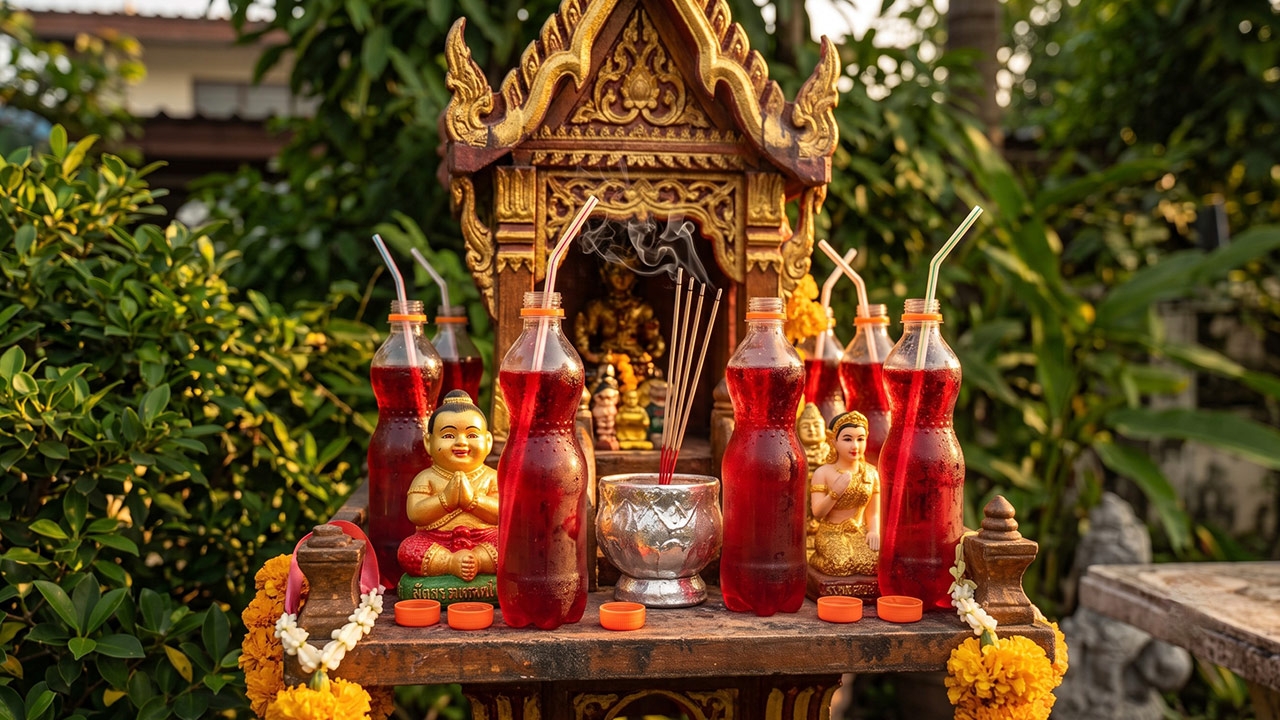
Why Is Red Syrup the Popular Offering? Unveiling the Belief Legend Many Have Never Known

Belief22 Jul 2026 16:03 GMT+7

Share

Why Is Red Syrup the Popular Offering? Unveiling the Belief Legend Many Have Never Known

Unveiling the belief "Red syrup offered at shrines" A popular trend among spiritual followers: why is red syrup commonly used, which shrines accept it, and can other liquids be substituted? Find the answers to properly pray and enhance auspiciousness according to Thai belief.

The origin of the belief: why is "red syrup" used to worship shrines?

The use of red syrup as an offering to sacred spirits has been a familiar sight for Thai people for a long time. Folklore and historical belief records indicate that the use of red syrup comes from a blend of cultural influences.

  • Representation of sacrifice Ancient beliefs in many cultures often involved using the "blood" of animals to sacrifice to deities or spirits as the highest form of respect. Over time, this practice evolved to using red-colored liquids, such as red-flavored syrup or red soft drinks, as a substitute for real blood, preserving the essence of the belief without harming life.
  • Symbol of auspiciousness Chinese beliefs hold that "red" is the color of good fortune, prosperity, and vitality. Offering red syrup symbolizes bringing luck and success to the worshipper.
  • Sweet fragrance appeal Red syrup often has a fragrant scent of salak fruit or strawberry and is sweet. Historically, sweetness was rare and valuable, so offering sweets was a way to show respect and please the sacred spirits.

Which shrines commonly receive red syrup offerings?

From the spiritual perspective, not every shrine specifically requires red syrup, but those commonly seen receiving it regularly include

  • Kuman Thong and Rak Yom As Kuman Thong is believed to be the spirit of a child, it often favors sweets, sweet drinks, and toys. Offering red syrup with a straw is very popular.
  • Nang Kwak, the goddess of commerce She is believed to favor fragrant items and red syrup. Offering red syrup is thought to bring auspiciousness in business and attract customers.
  • Household guardian shrines and ancestral shrines Although tea or clean water can be offered, many households also offer red syrup together to enhance auspiciousness and show abundance.
  • Local goddesses or sacred local spirits Especially shrines related to love or fortune, people often offer red syrup to pray for wishes to come true.

Can other liquids be used instead of red syrup to worship shrines?

Many wonder if red syrup is unavailable or if they want to vary offerings, can other liquids be substituted? The answer is yes, depending on suitability and belief as follows:

  • Clean water Is the most basic liquid that can be offered at any shrine, symbolizing purity, peace, and cleansing of negative energy.
  • Coconut water Considered a high-purity liquid, often used in Brahmin-Hindu rituals or for high-level sacred spirits.
  • Tea Commonly offered at Chinese shrines, Ti Ju Ye (earth god) shrines, or ancestral shrines, symbolizing respect according to traditional customs.
  • Fruit juices Or other colored sweet drinks can also be offered if variety is desired or according to the vows made by the worshipper.

The use of red syrup to worship shrines reflects a cultural adaptation of belief. Whether offering red syrup, clean water, or tea, the most important aspect is the "pure intention" and genuine sincerity of the worshipper. Doing good deeds and making merit is truly the best charm to enhance auspiciousness in life.