

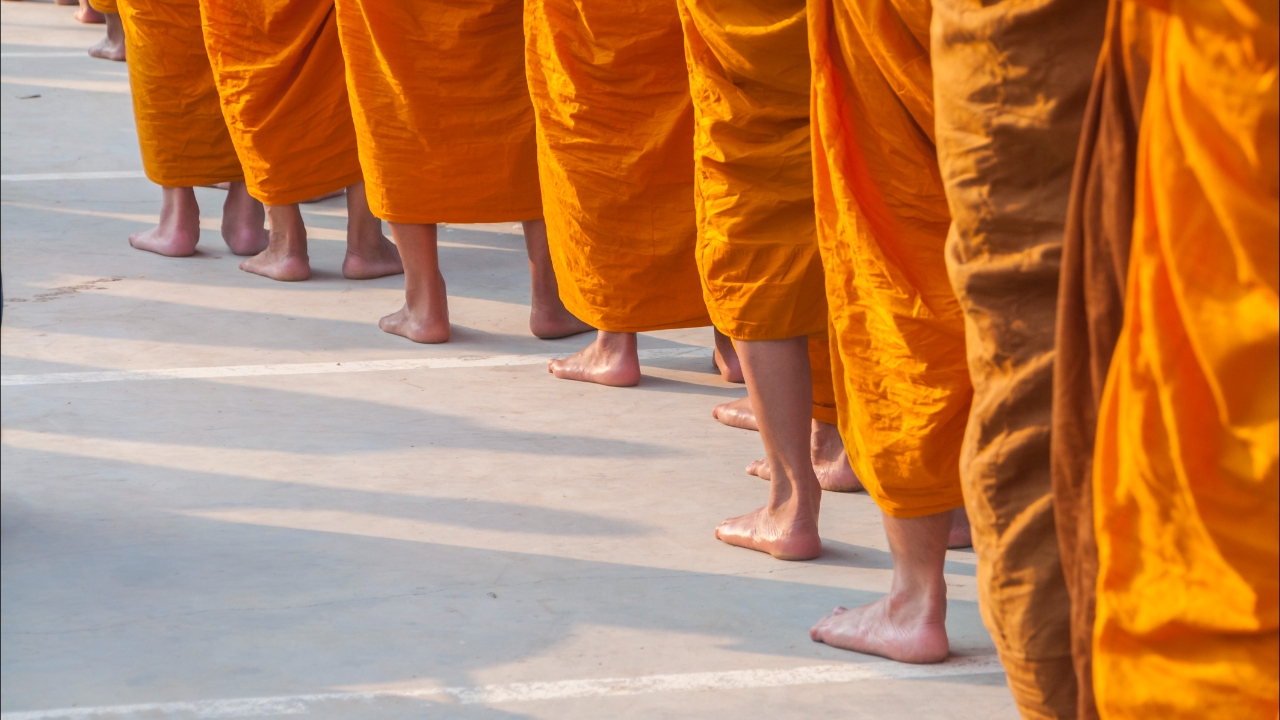
Does making merit at a temple still bring merit? Alternative ways to create merit amid waning faith: Daily negative news about the monastic community has caused many to feel uneasy about donating or offering money to temples as before, raising doubts about whether the merit gained is still effective.
Because of this, many wonder if donating instead to hospitals, helping needy animals, or caring for parents might bring more peace of mind and merit. Understanding the intention behind giving helps ensure happiness in every act of merit-making.
The first distinction to make is between individual behavior and the core teachings of Buddhism. Monks are practitioners who may be virtuous or still struggling with defilements. One monk’s misconduct does not diminish the teachings or the value of merit-making.

If the donor’s intention is pure—aiming to reduce greed and support the continuation of the faith—the merit arises fully from the moment of giving in the mind and is not lessened by the recipient’s behavior. Focusing on "Sanghathan" offerings, which are given to the monastic community as a whole rather than individuals, helps alleviate worries about any one monk’s conduct.
When comfort with temple donations decreases, turning to organizations that help human and animal lives is an option that suits modern feelings well. Donating money for medical equipment to hospitals, supporting patients with no other options, aiding foundations that help stray or disabled dogs and cats, or donating coffins and white cloth to poor deceased persons—all are merit acts with clear, tangible outcomes.
The immediate benefits to recipients create delight and uplift the donor’s heart quickly. In Buddhism, helping those in hardship or animals unable to help themselves is considered "forgiveness giving" and "generosity perfection," with great merit that truly cultivates compassion.

Among all merit-making acts, Buddhism highly honors caring for and repaying one’s parents as supreme merit, likened to making merit with "arhats in the home." Caring for parents physically and mentally, showing respect and reverence, and supporting them within one’s ability are fundamental duties and merit acts with enormous merit.
Many seek merit outside the home, neglecting those close to them. Returning attention to the happiness, health, and well-being of one’s parents is a solid start to merit-making, with visible merit results and no risk of doubt or disappointment for the donor.
Merit-making is not limited to giving money or valuables. Diversifying the way one makes merit can increase happiness and reduce pressure.
The highest merit comes from merit-making that leaves the mind clear and comfortable before, during, and after the act. If giving money to monks causes doubt, changing the focus to donations for hospitals, animal welfare foundations, or dutiful care for parents is a proper alternative with equally great merit. The key is not who receives the merit but the purity of one’s mind and the ability to let go of stinginess.