

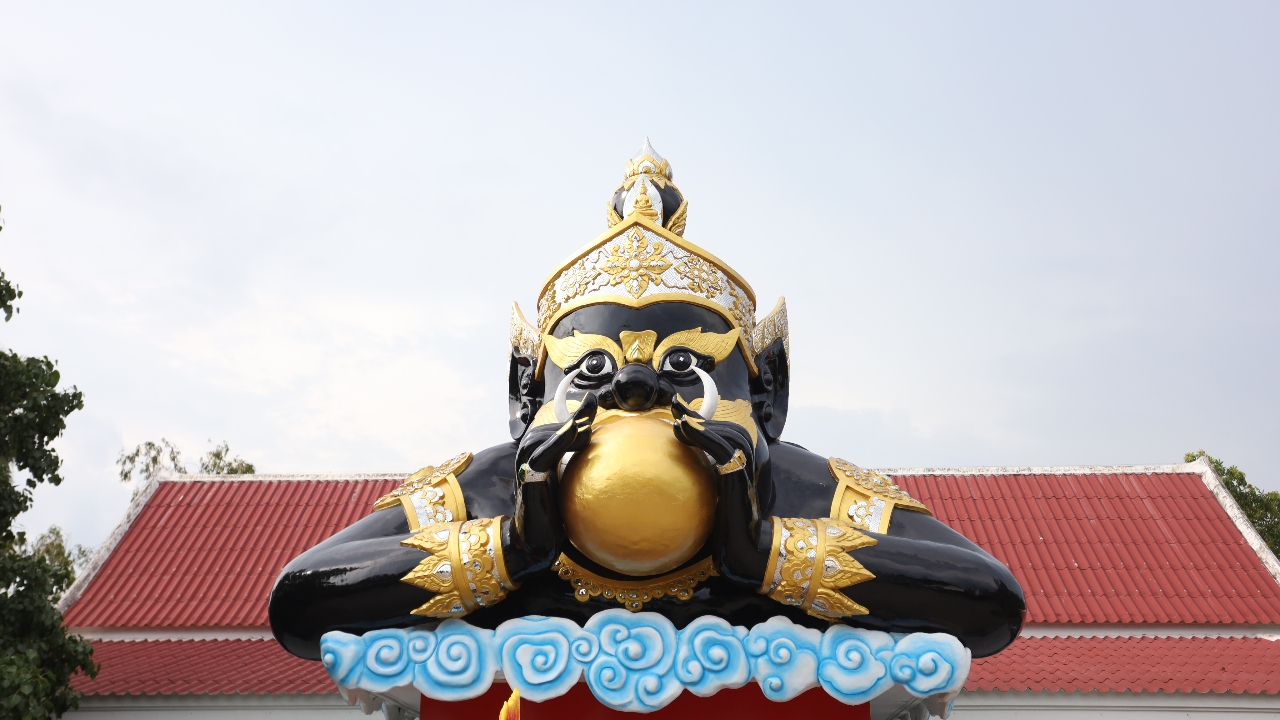
Clearing up a popular question during Rahu's zodiac sign transit on 22 November: Can the offerings be eaten or must they be discarded? Here are ways to manage the offerings to ensure good fortune without accidentally absorbing misfortune.
The clear answer is that offerings to Rahu are not always forbidden to eat; whether you can eat them depends primarily on "the intention behind the worship." Many misunderstand that touching or eating the offerings is strictly forbidden, leading to wasting good food. In fact, consuming some offerings can actually enhance good fortune.
According to astrology, Rahu is not only fearsome but also a deity of luck and success. Setting out 8 or 12 black items to worship varies by person’s goals, which directly affects how to handle the offerings after the ceremony.

If you want to know whether to eat the offerings, consider the prayer spoken when lighting the incense. Spiritual followers and teachers clearly divide this into two cases.
Even when worshiping for blessings, not all black items on the table are suitable to eat. Mindful selection helps ensure both good fortune and health.

For savory, sweet foods, and auspicious fruits like black chicken soup, black sticky rice cake, grass jelly, or black grapes, they can be shared and eaten within the family immediately after concluding the offering to enhance good luck and unity.
Items to avoid even when worshiping for blessings include alcoholic beverages or black liquor, because Rahu symbolizes obsession and intoxication. Drinking after the ritual may trigger negative energy and loss of control. Teachers often recommend offering black coffee or black soda instead. Also, if offerings are left outdoors in hot weather, always check their condition before eating to avoid food poisoning.
If you accidentally ate offerings meant to avert misfortune, do not stress. In belief, intention is most important. Doing it unknowingly is not considered a problem. It is advised to remedy by making merit through almsgiving or donating the next day for peace of mind.
1. For those preparing for the next worship, handle the offerings properly by following these three steps.
2. Wait until the incense is nearly or completely burned out before starting to clear the offerings. Do not rush to pack them up when the incense was just lit.
3. Chant the Namo phrase three times, then say the farewell words "Sesang Mangkalang Yajami," while reaffirming your intention whether to eat the offerings for good luck or to release misfortune.
Separate the offerings based on your goal: offerings for blessings can be eaten to absorb positive energy, while those for sending away misfortune should be shared as charity to others or stray animals.
Worshiping Rahu is not about strictness or fear, but about mindfulness and understanding the essence of the ritual. When you know the correct principles, you can engage with the practice confidently and receive positive energy fully.