

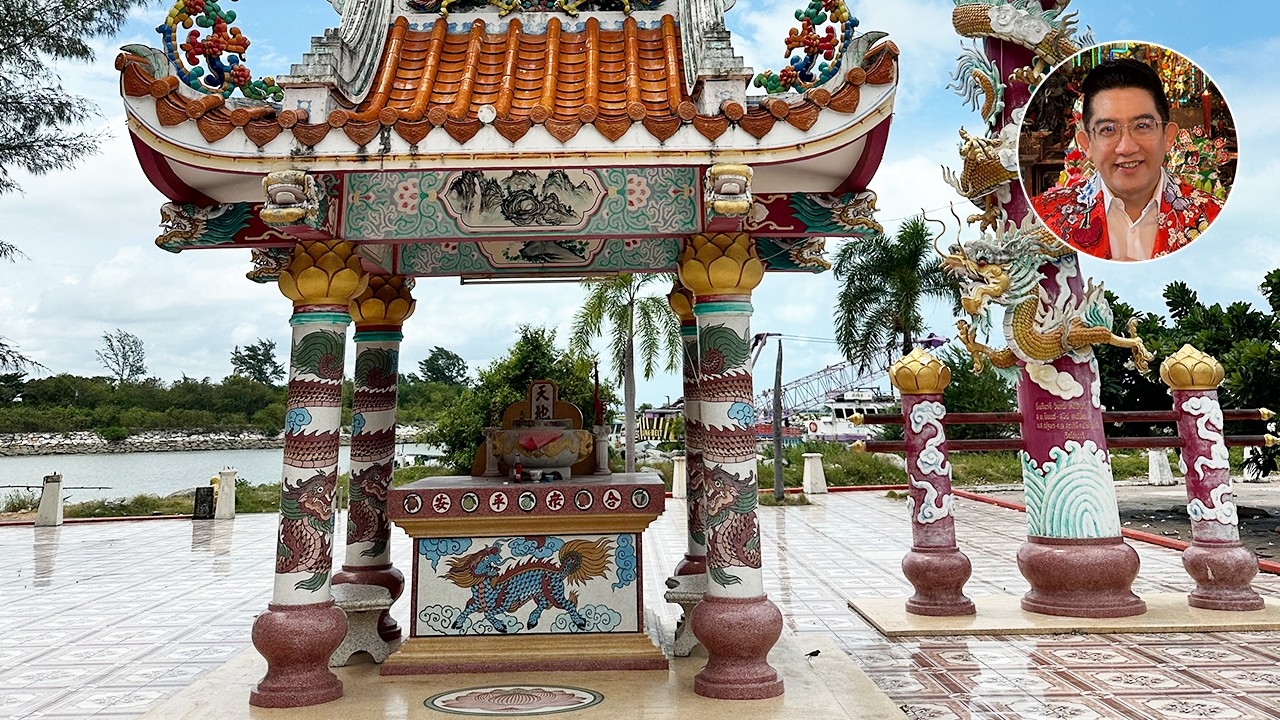
“Wan Theek Ngong” is the birthday anniversary of the Sky and Earth Deity, falling on the 9th day of the 1st month in the Chinese lunar calendar, which is nine days after Chinese New Year. This year, it coincides with Wednesday, 25 February.
It is believed to be the day when the gates of heaven open to receive prayers from humans, considered an even more auspicious occasion than Chinese New Year for expressing gratitude to the natural forces that support life. "Theek Ngong" is the great deity who governs the universe, granting abundance and natural balance. Therefore, people traditionally worship this deity first before others to ask for blessings of prosperity, good health, and protection for a stable and safe life.
Tips for arranging the altar table
Prepare pairs of sugarcane with roots and leaves intact, symbolizing gratitude and lasting sweetness.
Use auspicious numbers 12 or 24 for items like fruits, sweets, and drinks, arranging 12 pieces each to represent the 12 months of a complete year.
Pink-colored sweets such as Yee cake, steamed buns (Mantou), and cup cakes are believed to enhance career progress and smooth work.
Theek Ngong Kim refers to special large silver and gold paper offerings made specifically to the great deity, symbolizing the highest respect and reverence.
How to perform the Theek Ngong worship
Set up the altar table at the front of the house or on the rooftop facing outward, and light 3 or 5 incense sticks according to belief.
Pray to the Sky and Earth Deity (Theek Ngong) for protection and good fortune. When the incense is nearly finished, present the offerings and burn the silver and gold paper.
Worshipping Theek Ngong is regarded as a way to begin the Chinese New Year that greatly enhances auspiciousness. The ritual can be performed in front of the household shrine (Ti Chu Ia) or a nearby shrine at your convenience. The ceremony can be done anytime during the day, not only at night.