

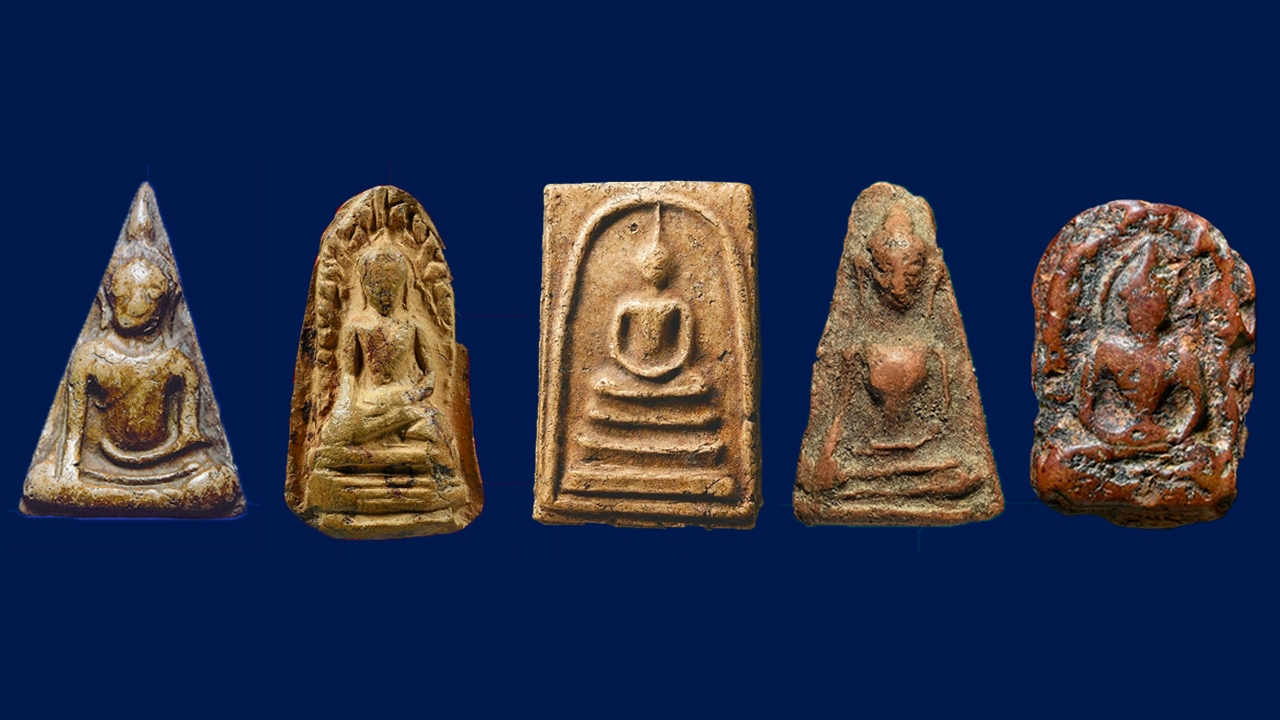
In the world of amulet collectors the "Benjapakee" is not just a high-value talisman or sacred object; it is an "institution" within the Thai amulet community that reflects the fusion of Buddhist art, history, and the longstanding faith of the Thai people. The term "Benjapakee" was created to categorize the top five amulets with outstanding, well-rounded spiritual power and extreme rarity. Yet, the legend behind them has a more fascinating origin than you might expect.
The Benjapakee legend does not stem from ancient times but clearly began around 1952 CE, when "Triyampawai" (the pen name of Colonel Prayoon Ploywimon) was recognized as the "grandmaster" of the amulet field. He compiled and established the criteria for evaluating amulets, categorized them, and first coined the name "Benjapakee" (Benja = five, Pakee = group).
He did not simply select amulets that were "sacred" but applied analytical principles based on
The selection of these five amulets represents regional and historical diversity, showcasing the rich cultural variety in Thai Buddhist art, including:
Phra Somdej Wat Rakang Kositaram, Bangkok, Rattanakosin era,
considered the supreme powdered amulet created by Somdej Phra Buddhachan (Toh Prommarangsi) of Wat Rakang Kositaram. Its spiritual benefits are famed for attracting goodwill, prosperity, and supreme auspiciousness. Its distinctive rectangular shape, known as "Chin Fak," became a model for later powdered amulets.
Phra Rod Wat Mahawan, Lamphun Province, Hariphunchai era,
the oldest amulet in the set, made during the Hariphunchai period. Featuring Lopburi-style Buddhist art, it is small yet powerfully sacred. The name "Phra Rod" signifies protection from all dangers, making it ideal for carrying.
Phra Nang Phaya Wat Nang Phaya, Phitsanulok Province, Ayutthaya era,
the most beautiful triangular amulet, created during the Ayutthaya period, believed to have been made by Queen Wisutthikasat Mahadevi. Its Buddhist art is delicate yet imbued with strength. It is famous for bestowing compassion, grace, and influential power.
Phra Phong Suphan Wat Phra Si Rattana Mahathat, Suphanburi Province, U Thong era,
found in the chedi of Wat Phra Si Rattana Mahathat, this U Thong-style amulet is profoundly powerful. Its spiritual benefits cover attraction, invincibility, and luck, making it indispensable to serious collectors.
Phra Soom Kor Wat Phra Borom That, Kamphaeng Phet Province, Sukhothai era,
a Sukhothai-style amulet with Lankan influence, considered one of the most elegant Buddhist art pieces. It is renowned for luck, wealth, and business success, inspiring the phrase "Having me means never being poor."
The legend of Benjapakee is a testament to the faith and artistic excellence of Thai ancestors. From Triyampawai's foundational work to present-day pride, the Benjapakee amulets are more than sacred objects; they are reminders of virtue and the dedication of their creators passed down through generations. Owning any one of these amulets is considered highly auspicious and to possess a precious piece of Thailand’s history.
Thanks to the images from the "Sanam Phra" column by Seeka Ang