

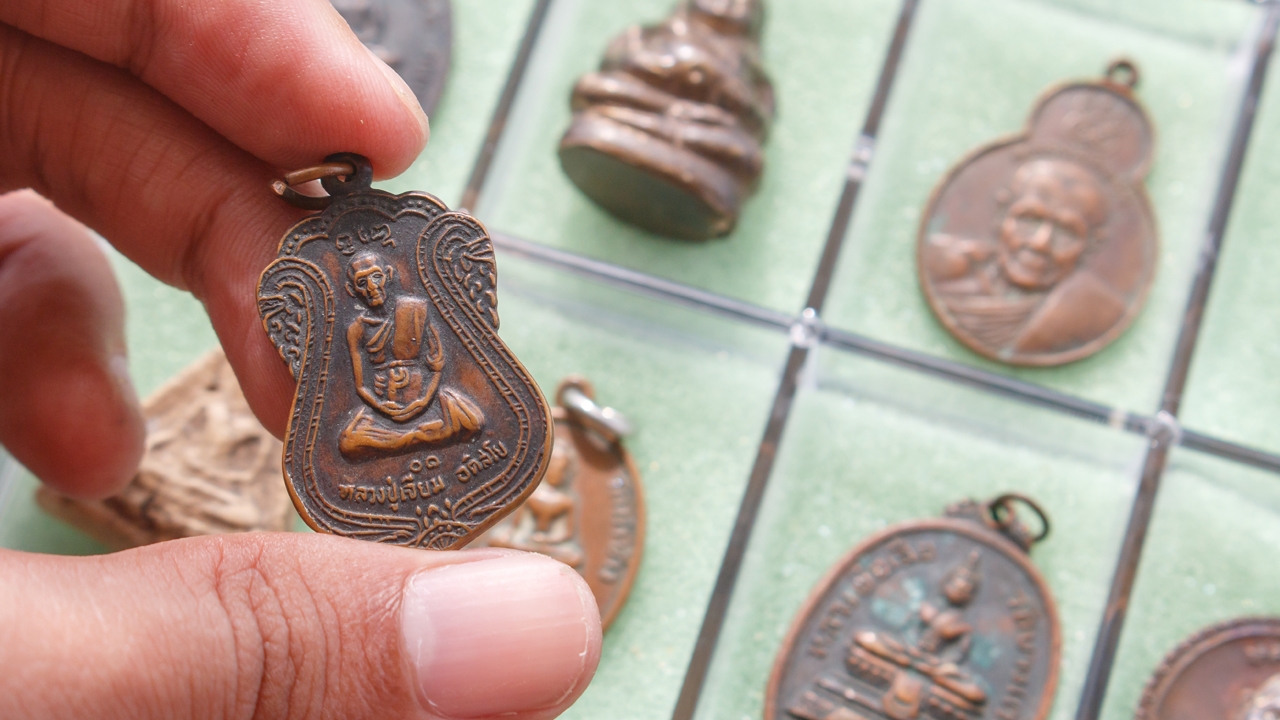
Many people mistakenly believe that cleaning metal amulets (coins, statues, Phra Kring) must make them shine like new. But in reality, . . ."Natural patina"or what amulet collectors call"kru" (ancient residue)or "original surface" is the key that indicates the age and value of the amulet. If cleaned away entirely, its sacredness and price will drop sharply. Thairath Online recommends prohibitions not to do and the safest cleaning methods.
1. Do not use corrosive chemicals such as silver polish, toilet cleaners, or acidic chemicals. These will corrode the metal surface, causing the metal to"open up"(destroying the original surface), making the amulet appear fake or altered.
2. Do not use hard-bristle brushes whether hard toothbrushes, wire brushes, or metal brushes, as they leave tiny scratches on the surface which may be invisible to the naked eye but clearly visible under magnification.
3. Do not scrub or rub vigorously excessive scrubbing dulls the smooth metal surface,making it look "faded"and losing its unique aged character.
4. Do not use hot water or boil the amulet Boiling the amulet to clean stains can cause the metal to expand and contract abnormally, especially for amulets that are"soldered"or"sealed with a core (gring)"which can damage the soldered joints.
5. Do not clean frequently Metal amulets are best kept still; frequent handling or cleaning exposes the metal to continuous reactions with air.
If your amulet has dust or dirt from storage, use the"gentlest possible"methods as follows.
Expert warning Amulets with original patina are the most charming. If you are uncertain whether a stain is dirt or valuable patina, do not attempt to clean it yourself. Consult an expert first.