

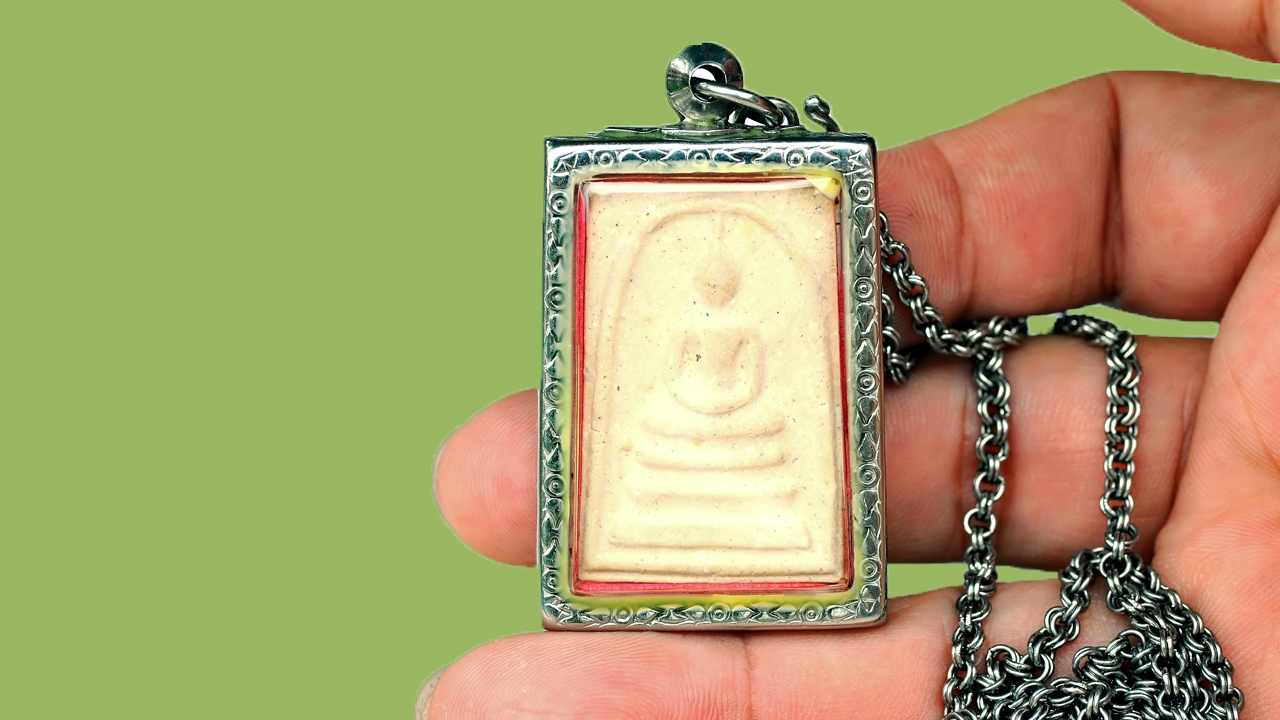
Worshiping and wearing Buddhist amulets have long been a cultural tradition and spiritual support in Thai society. It is not merely a matter of Buddhist commerce or personal belief but also a symbol of remembrance of the virtues of the Buddha, the Dharma, and the Sangha, serving as a reminder for worshippers to conduct themselves within the bounds of goodness.
For those just beginning to worship or who have recently received an amulet, many may wonder about the proper traditional procedures for "wearing a Buddhist amulet for the first time." Thairath Online recommends the steps and methods of inviting the amulet’s blessings to help devotees perform correctly and with peace of mind.
According to ancient beliefs, when inviting a sacred object or amulet to be worn, one should begin by purifying both body and mind. Commonly practiced steps include the following:
After preparing the items and setting the intention, the next step is reciting the amulet invitation chant to invoke the Triple Gem’s blessings and the merits of the master craftsman who created the amulet, asking for their protective grace. The chant sequence is as follows:
(as a sign of reverence to the Buddha)
"Namo tassa bhagavato arahato sammāsambuddhassa" (recited three times)
" "Katādhikāraṃ ca buddhasaṭṭhassa, sabbā antarāya nivāraṇattāya, ārādhanam karomi" "
Alternatively, one may use the popular abbreviated Thai-language invitation chant currently in use:
" "Tositaṃ tassa bhagavato ārādhanaṃ karomi, buddhaṃ ārādhanaṃ, dhammaṃ ārādhanaṃ, saṅghaṃ ārādhanaṃ" "
Afterward, bow and reflect on the Buddha’s virtues, then sincerely ask for blessings according to one’s righteous livelihood aspirations.
The most important aspect of wearing a Buddhist amulet for the first time is not merely the external ritual but rather the "},{ human effort " and adherence to the Five Precepts by the wearer. The amulet will offer the best protection and spiritual support when the devotee is genuinely committed to avoiding wrongdoing, doing good, and practicing an honest livelihood, which constitutes true worship according to the core principles of the religion.