

Thairath Online
Thairath Online

Check Quickly! Where Is the Best Place in the House to Place Amulets? Revealing Auspicious Directions and Forbidden Spots Collectors Must Know

Amulet11 Sep 2026 17:07 GMT+7

Share

Check Quickly! Where Is the Best Place in the House to Place Amulets? Revealing Auspicious Directions and Forbidden Spots Collectors Must Know

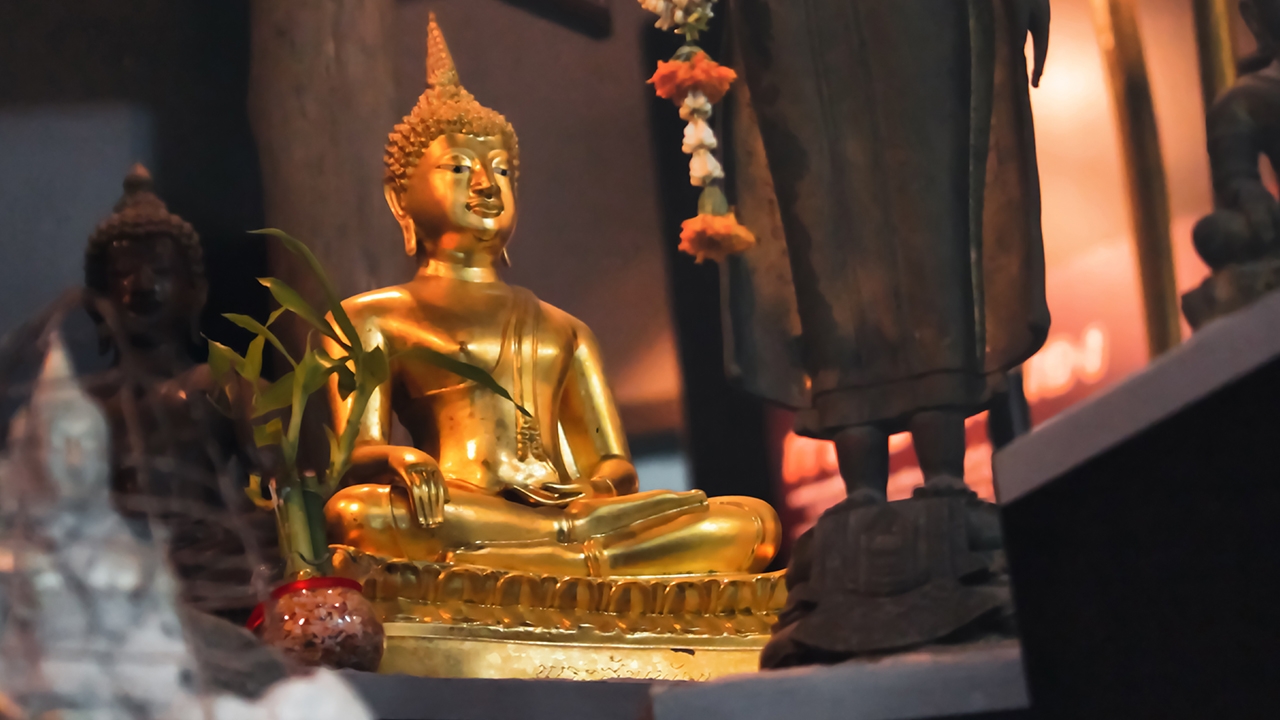
Arranging a home altar or shrine table affects not only beliefs but also the atmosphere and daily living conditions. Choosing auspicious directions and avoiding unsuitable spots helps create an open, comfortable ambiance, turning the altar area into a peaceful corner that brings comfort to everyone in the household.

How to choose the correct direction for the altar according to auspicious principles and natural light.

  • East Direction (Royal Direction) This direction receives the first light of day, symbolizing new beginnings, glory, and life energy, enhancing progress in career advancement.
  • North Direction (Main Direction) A direction of stability, calmness, and peace that brings wisdom to the occupants.It is suitable for chanting and meditation./*Note: The original text for part 7 is a fragment 'เหมาะสำหรับการสวดมนต์นั่งสมาธิ' (Suitable for chanting and meditation). Part 6 ends with 'มาสู่ให้ผู้อยู่อาศัย' (bringing to occupants), which is ambiguous but likely relates to wisdom or calmness. Here, the fragment is translated as is without completion.*/
  • Northeast Direction (Wealth Direction) This direction brings good fortune, wealth, and smoothness in business affairs.

Forbidden spots and directions to avoid when placing amulets.

  • West and Southwest Directions These directions represent waning energy, like the sunset, which may cause residents to feel tired and face prolonged obstacles.
  • Under stairs or beneath house beams These are unsuitable places for amulets or sacred objects since stairs are high-traffic areas and beams symbolize constant pressure. Placing sacred items here is inappropriate for respect and worship.
  • WallsAdjacent to bathrooms or kitchens, where moisture, heat, and cooking odors cause amulets and altars to deteriorate quickly and accumulate stains.
  • At the foot of the bed An inappropriate position; if necessary to place in the bedroom, position it beside or above the head of the bed with a screen to shield from direct view.

Hierarchy of sacred object placement heights

According to Buddhist and Thai beliefs, the placement order follows the hierarchy of spiritual attainment and merit, arranged from the highest to lower positions as follows.

  • Highest level Buddha images and relics representing the Buddha, the highest authority in Buddhism, must be placed centrally and at the highest point.
  • Second level Principal disciples For example, Sariputta placed to the right and Moggallana to the left of the main Buddha image.
  • Third level Arahants and revered monks, including amulets or statues of virtuous monks such as Luang Pu Thuat, Luang Pho To, or Luang Pu Mun.
  • Fourth level Deities and the nine celestial gods, sacred figures like Ganesha, Guanyin, or Phra Phrom. If space is limited, place them on a separate altar or lower than the monks.
  • Fifth level Kings, ancestors, and talismans, including royal images, ancestral photos, and various amulets.

Tips for arranging and maintaining sacred corners in the home

A good sacred corner should be airy, bright, and quiet, avoiding placement near TVs, speakers, or entrance doors to minimize disturbance from noise and foot traffic.

An essential aspect is cleanliness: regularly wipe the altar, refresh offering water, and care for flowers to prevent wilting. Keeping this area clean and orderly enhances tranquility, visual comfort, and makes family members feel at ease whenever near.