

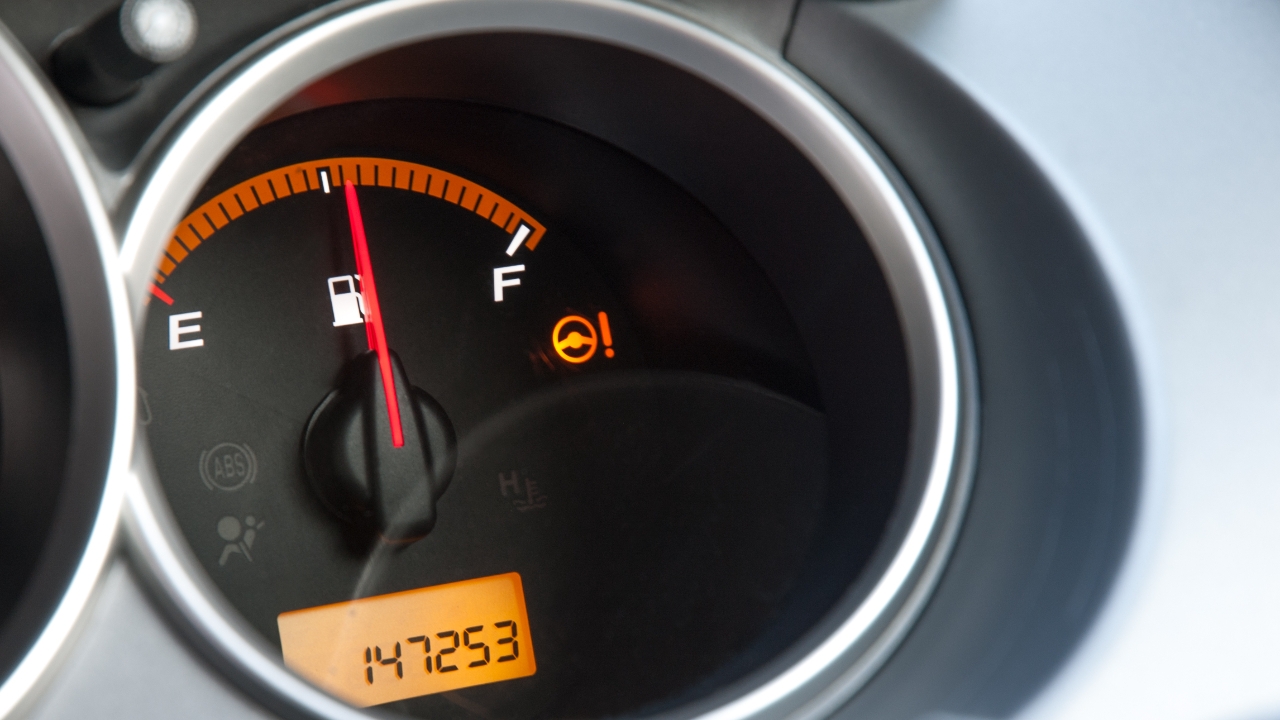
Fuel prices continue to soar due to the Middle East war. We have gathered fuel-saving methods, driving techniques, and car maintenance tips that genuinely help you save costs during this crisis situation.
Amid the Middle East conflict directly impacting global fuel prices, including in Thailand, every car owner can immediately adjust their driving habits. We have compiled practical fuel-saving techniques to help you use your vehicle efficiently and reduce financial burdens as much as possible during this wartime.
War often brings energy market volatility. When global crude oil prices spike, knowing how to save fuel is not just an option but a "survival" strategy for workers and private vehicle users.
Smooth driving is key to conserving fuel.

Under-inflated tires increase friction between the tire and road surface, making the engine work harder and increasing fuel consumption by approximately 2-3%. Therefore, tire pressure should be checked at least once a week.
Inspect your trunk for unnecessary items and remove them. Every additional 10 kilograms continuously affects fuel consumption.
Use map technology to avoid congested routes. Idling in traffic wastes fuel; if stopped for more than 3 minutes, it is advisable to turn off the engine.
In Thailand's climate, car air conditioning significantly consumes fuel. Setting the temperature too low makes the compressor work harder continuously. It is recommended to set the temperature around 25 degrees Celsius. Additionally, when driving in early morning or late night cooler conditions, lowering the fan speed can noticeably save fuel.

Neglected engines, such as clogged air filters or worn spark plugs, cause incomplete combustion and increased fuel consumption. Regular oil changes and fuel system checks help maintain optimal fuel efficiency long-term.7. Avoid Excessive Engine Revving and Prolonged Warm-UpModern car technology no longer requires long engine warm-ups before driving. Starting the engine and waiting 30 seconds to 1 minute is sufficient. Also, the old misconception of revving the engine before turning it off wastes fuel, creates pollution, and harms the engine.
Small adjustments—such as smooth driving, route planning, and regular vehicle inspections—when combined, not only help you get through the crisis of soaring fuel prices during war but also foster smart driving habits that enhance safety and prolong your vehicle's lifespan in the long run.