

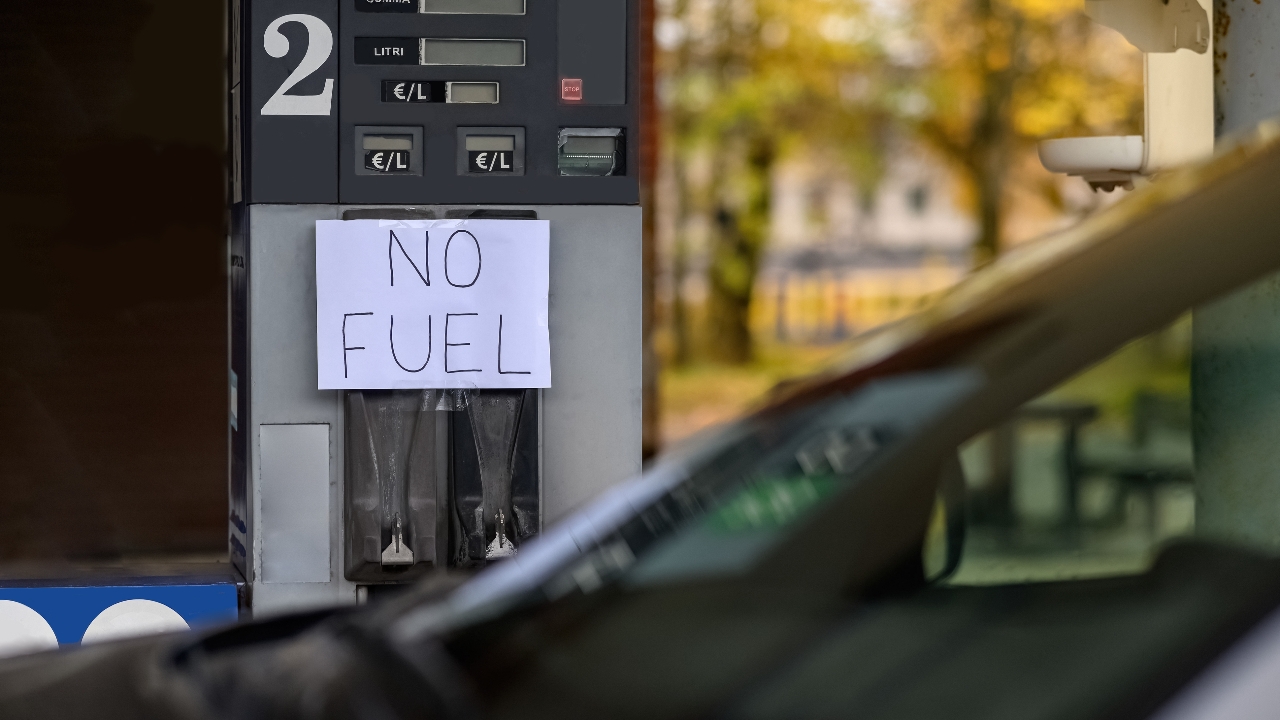
Examining the fuel shortage situation caused by the Middle East conflict, along with tips for drivers on managing fuel usage, fuel-efficient driving techniques, and travel planning during unpredictable energy crises.
This has become the top concern for drivers as tensions escalate in the Middle East, raising the question of what to do if"fuel runs out at gas stations"or energy transportation is disrupted. We've gathered practical advice to help you survive this crisis without having to abandon your vehicle by the roadside.
When global tensions push oil prices at the pump higher, the worst scenario is not just expensive fuel but encountering stations that have run dry or are temporarily closed. To help maintain daily life, here is a survival guide everyone should know.
Normally, you might wait until the fuel gauge is low before refilling, but in times at risk of fuel shortages, the golden rule is"refill once the tank is half full."Keeping a reserve in your tank reduces the risk of driving to a station that's closed or having to circle around looking for one that still has fuel.
Before starting your vehicle, check apps from fuel providers like PTT Station or Bangchak to confirm if stations along your route still have fuel available. Also, use Google Maps to assess traffic conditions, since being stuck in congestion wastes your remaining fuel unnecessarily.
If you find yourself in a situation where refueling options are scarce and you fear running out of fuel, adjust your driving behavior immediately.
If you assess that fuel shortages are widening, switching to electric vehicles, buses, or carpooling can reduce pressure on fuel demand and help conserve the country's energy reserves overall.
News of the Middle East conflict affects fuel providers' decisions. Keeping up with accurate information from reliable sources helps you plan refueling ahead of price spikes or shortages.
Although fuel shortages are an unwanted event, being prepared with backup plans and behavioral adjustments will help Thai people face this energy crisis calmly and safely.