

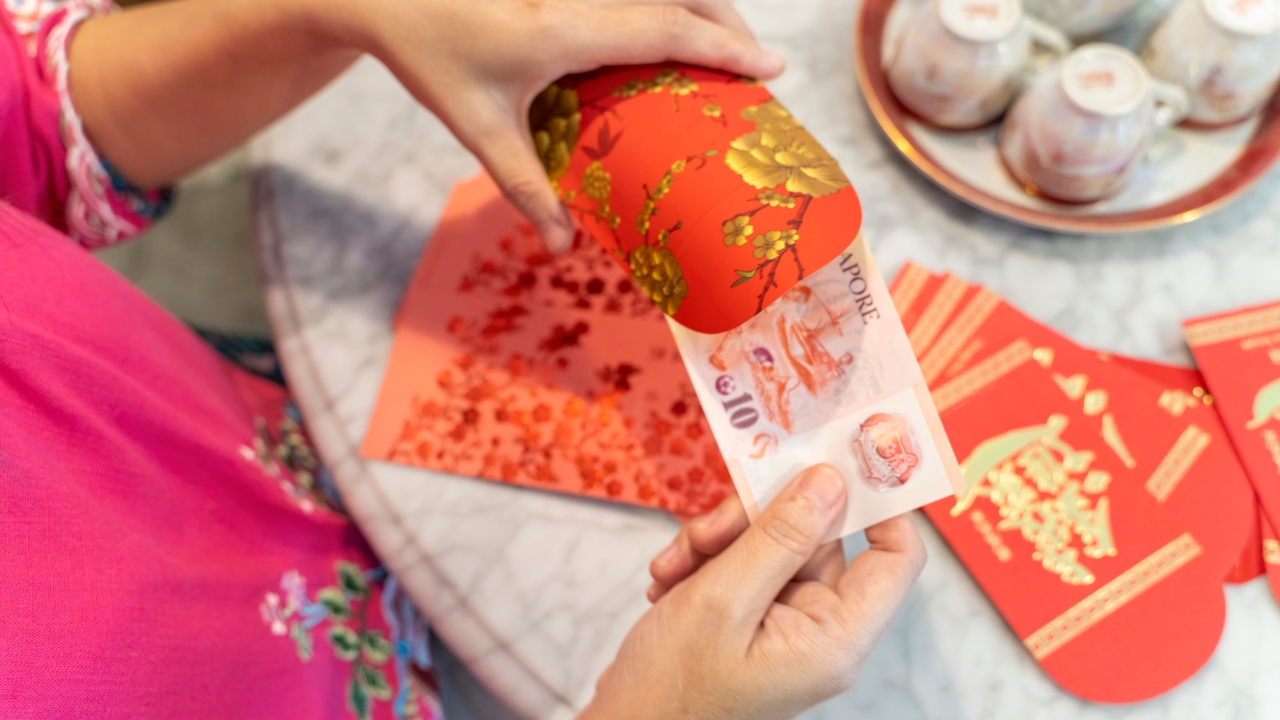
" Ang Pao " and " Tae Ia " have become things many think of during Chinese New Year, especially children who eagerly await the red envelopes from their elders. They are a colorful part of this festival. Have you ever wondered what the difference is between Ang Pao and Tae Ia? Thairath Online will help clear up these questions. Follow along in this article.
Ang Pao means red envelope It is pronounced according to the Teochew dialect, but in Mandarin, it is pronounced "Hong Bao" and written in Chinese characters as follows:
红包 (Ang Pao)
红 = red
包 = bag or envelope
Ang Pao refers to the red envelope usually used to hold banknotes or money, given to others on auspicious occasions. The red color is chosen because the Chinese believe it is a lucky color. The envelope often features auspicious Chinese characters symbolizing happiness, wealth, and longevity, among others.
Tae Ia means pressing or pinning at the waist. It is pronounced in the Teochew dialect and comes from the phrase "Tae To Ia," often shortened to "Tae Ia." It is written in Chinese characters as follows:
压腰 (Tae Ia)
压 = press / pin
腰 = waist
Tae Ia is a traditional Chinese blessing custom involving giving money or gifts. In the past, elders often blessed young children by tying coins (which had holes in the center) or red and gold money bags with red strings around the children's waists during Chinese New Year.

Ang Pao Tua Tua Kai (红包多多来) means "wishing for lots of Ang Pao." This phrase is also pronounced in the Teochew dialect. Children often say this during Chinese New Year to ask for beautiful red envelopes from their elders.
The answer is that Thai people of Chinese descent typically give money in Ang Pao in even numbers, as these are considered auspicious. Besides elders giving Ang Pao to children or younger people, working adults also take this opportunity to give Ang Pao to their parents or elder relatives.
Certainly, Chinese New Year is the most popular day. However, Ang Pao can also be given on weddings, other auspicious days, or important occasions such as starting a new business.

The Chinese New Year festival is a time when Thai people of Chinese descent celebrate the new year, pay respects to ancestors, exchange Ang Pao and auspicious fruits, and enjoy family gatherings. However, there are several taboos during this time, believed to affect the luck and prosperity of the new year if violated. These include:taboosthat should not be done because they are believed to bring bad luck, removing blessings from the home and affecting wealth and smoothness throughout the year, such as:
Though it is well known that giving Ang Pao and Tae Ia are customary during Chinese New Year, they also express gratitude and respect, reflecting cultural values. The Chinese often say,"Among all virtues, gratitude is the foremost virtue."