

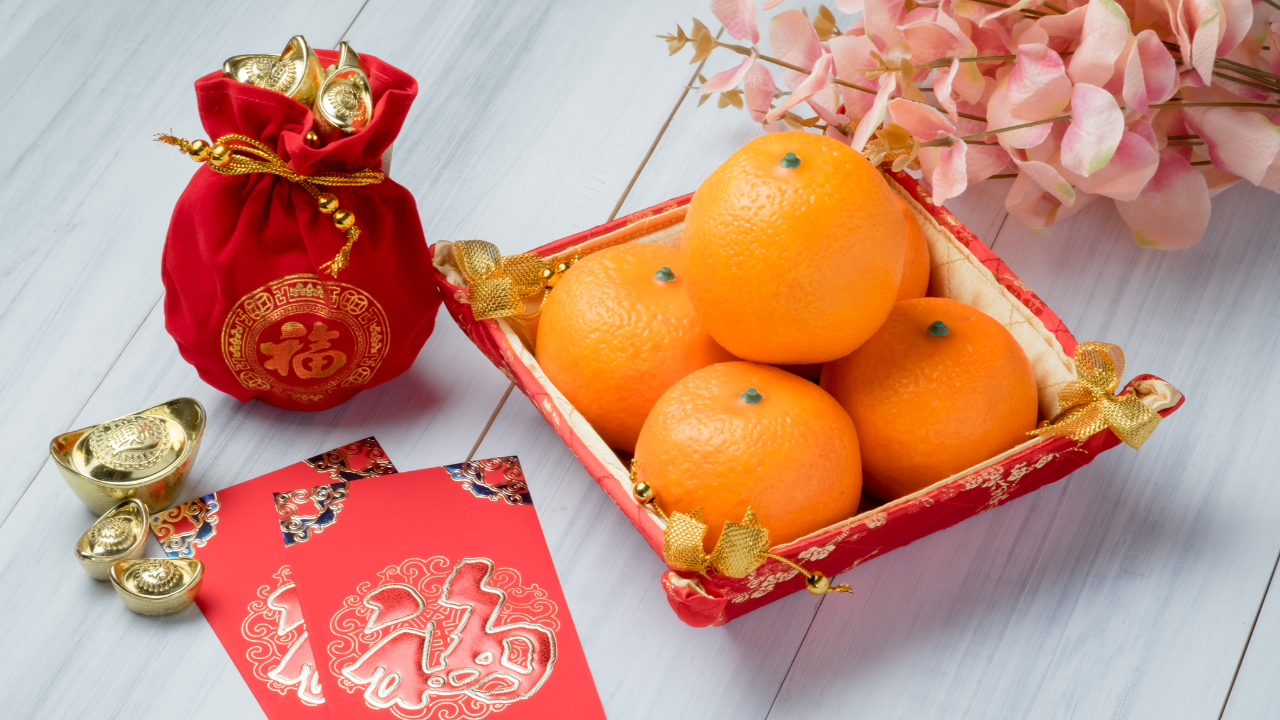
Auspicious oranges during Chinese New Year are traditional lucky fruits exchanged during the festival. This custom has been passed down as a New Year's gift tradition. What is the meaning of giving oranges in Chinese culture? On which day of the Chinese New Year festival should they be given, and how many should you give? We have gathered all this information for you.
Giving oranges during Chinese New Year is a long-standing custom. The act called “Bai Jia” refers to paying respects to elders by presenting oranges. Oranges are considered auspicious in Chinese belief because their yellow peel resembles gold, and the word for orange in Chinese symbolizes happiness or good fortune. Thus, giving oranges is like offering happiness and prosperity.
The Chinese New Year festival lasts three days: the day of preparation, the day of worship, and the day of celebration. Traditionally, auspicious oranges were given to elders after paying respects to ancestors, which occurs on the day of worship. Nowadays, giving oranges can happen on any convenient day, most commonly the day of worship or the day of celebration, when younger family members visit elders and children receive red envelopes.
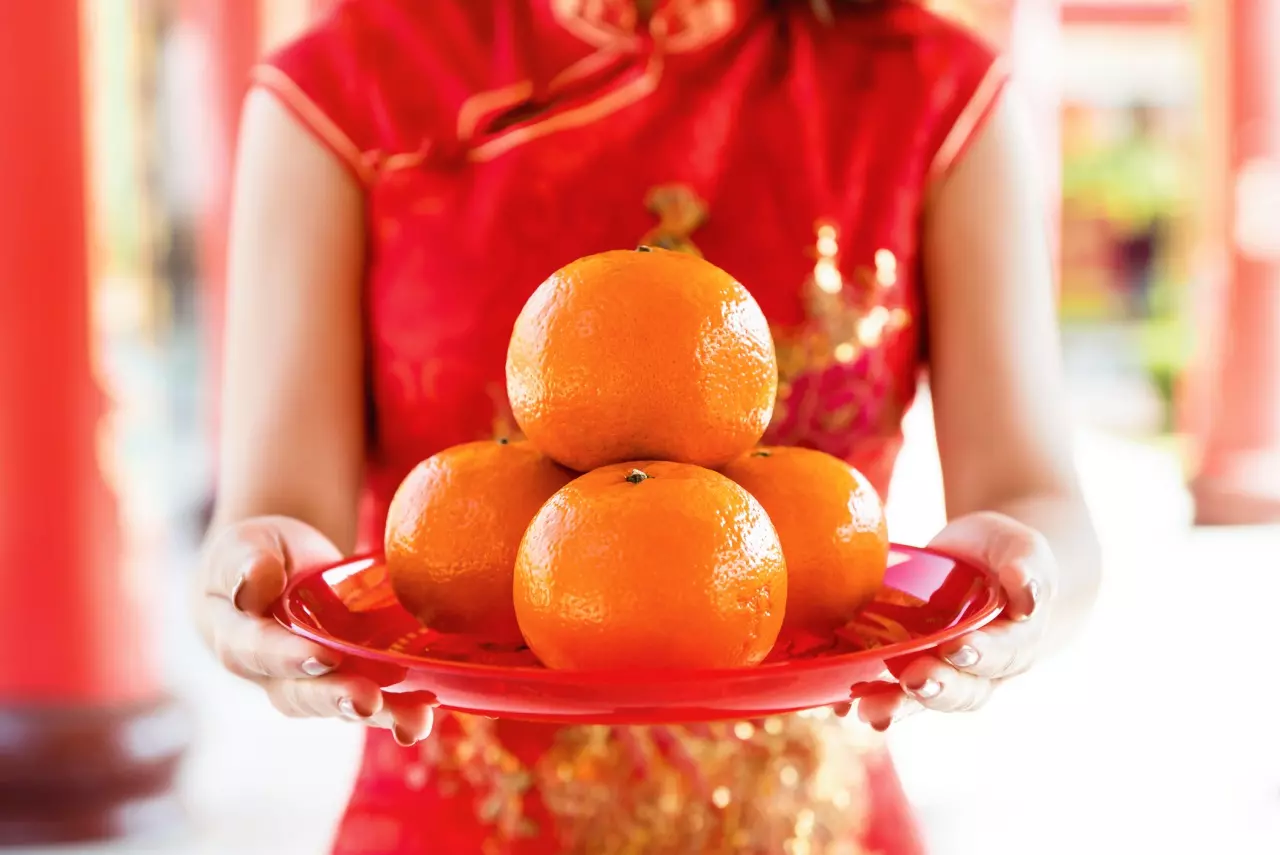
Among Thai Chinese, giving auspicious oranges as New Year gifts is typically done in even numbers such as 2, 4, or 8. When you give oranges to elders along with auspicious wishes, they often give oranges back in return, symbolizing mutual exchange and the wish for continual abundance throughout the year.
Giving 4 oranges symbolizes having enough to eat and use, prosperity throughout the year, and overall good fortune.
Giving 8 oranges signifies continuous progress and endless luck, as the number 8 resembles the infinity symbol, representing something without end.
Giving 12 oranges represents the love and harmony among family members and relatives.
Now that you know, don't forget to present auspicious Chinese New Year oranges to elders during the festival as a New Year's gift and a blessing for good fortune in life.
Image: iStock