

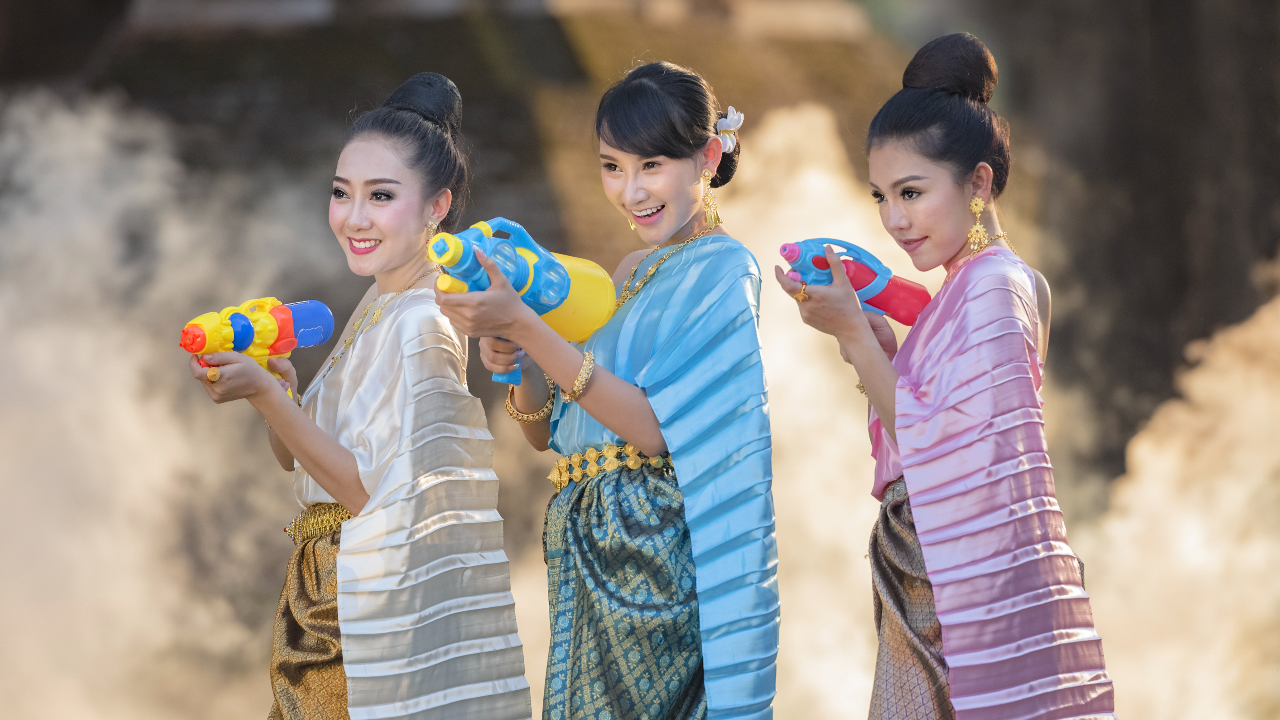
Songkran 2026 What dates does it fall on? This year, Songkran takes place from April 13 to 15, a public holiday and traditionally regarded as the Thai New Year. This article explores the related legends and background of the festival. History of Songkran A brief and easy-to-understand summary follows.
Songkran (English: Songkran) is the Thai New Year celebration influenced by India’s Holi festival. It involves water splashing as a symbolic cleansing to wash away misfortune and to cool off during the hot mid-April weather.
The word " Songkran " comes from Sanskrit, meaning " movement ", referring to the zodiac’s shift. This period was traditionally observed as the Thai New Year before the country adopted January 1 as the official start of the year, beginning in 1941.
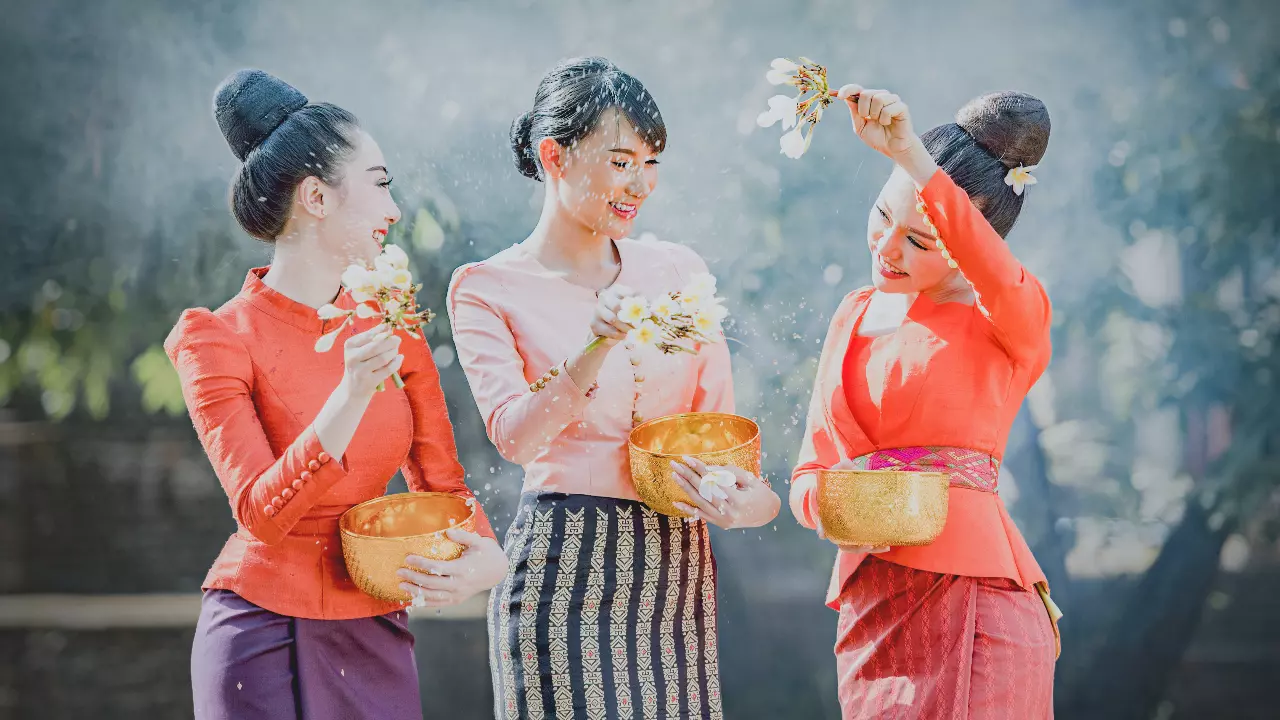
The legend and history of Songkran according to Thai belief, mostly based on inscriptions at Wat Pho, tells of a wealthy man who wished for a child and prayed to the sun and moon without success.
He then cooked seven-colored rice to offer at a sacred fig tree with music and prayers, and the tree sought help from Indra. Subsequently, the wealthy man's wife became pregnant with a son named " Thammabal Kuman ", a wise young man.
One day, King Kabillaprom challenged Thammabal Kuman to answer three questions within seven days, threatening beheading if he failed. The questions were:
Thammabal Kuman went into the forest and overheard a pair of eagles discussing the challenge. Understanding their language, he heard the answers:
He returned and answered correctly, winning the contest. King Kabillaprom had to sacrifice his head, but fearing a great fire if the head touched the earth, he ordered seven celestial beings to take turns carrying his head around Mount Meru, each for one year. This gave rise to the legend of the seven Songkran maidens, named as follows:
1. Nang Thungsa Devi
2. Nang Raksa Devi
3. Nang Khorakha Devi
4. Nang Kirini Devi
5. Nang Montha Devi
6. Nang Kimita Devi
7. Nang Mahotara Devi
This legend connects with the sun entering Aries during Songkran according to astrology, explaining why each year features a different Songkran maiden. The Songkran maiden changes annually, and Songkran 2026 is the year of the maiden called " Nang Raksa Devi ".

Besides the traditional water splashing, there are merit-making activities like almsgiving, bathing Buddha statues, paying respects to elders, as well as traditional games and contests for Songkran queens and young representatives, adding to the festival's vibrant atmosphere. Songkran in Thailand every year.