

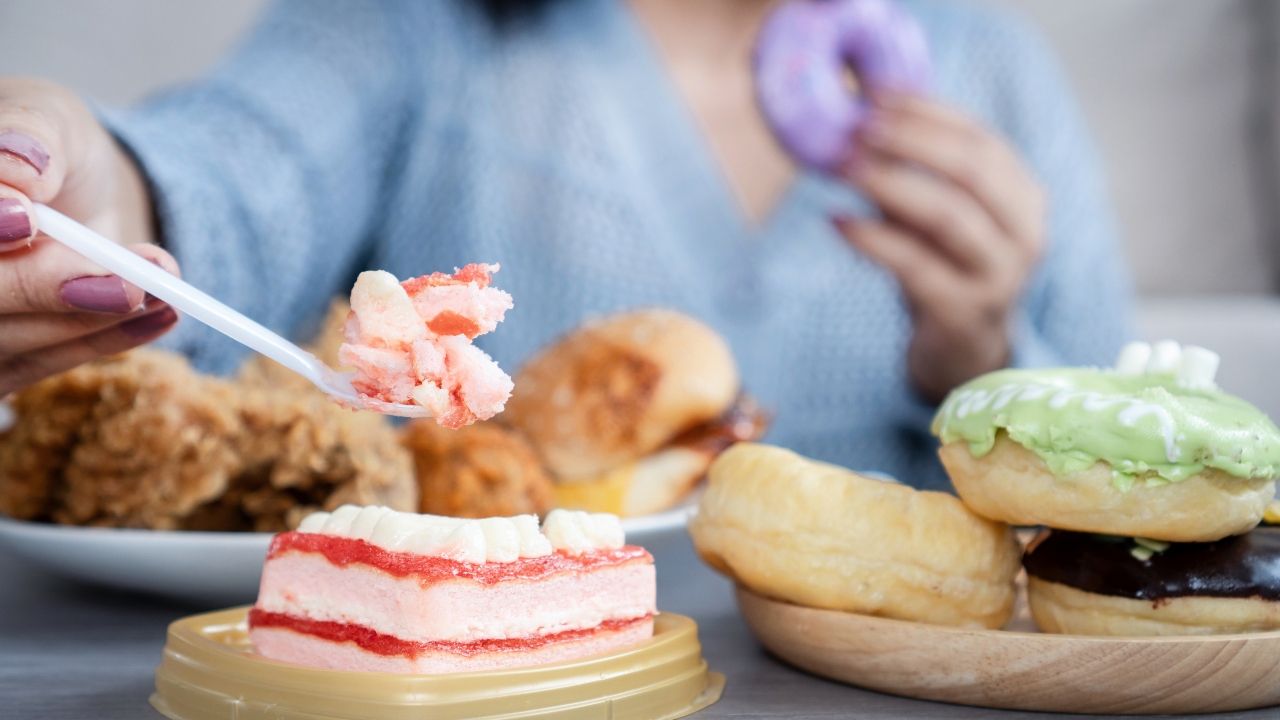
Have you ever experienced a time when combining two delicious foods didn’t double the pleasure but instead caused indigestion, bloating, or even severe symptoms requiring hospitalization?
Food combination is not just about taste but also involves body chemistry. Here are seven "menu disaster" pairs that many people might unknowingly eat together regularly. Let’s see what they are and why they shouldn’t appear together on your dining table.
Durian plus alcohol isn’t just an old wives’ tale—it’s a very real and dangerous issue. Parties featuring both durian and cold beer create a "killer combo" to be strictly avoided. Durian contains high levels of sulfur compounds that inhibit liver enzymes responsible for breaking down alcohol. This slows alcohol detoxification drastically, causing symptoms much worse than typical intoxication: mouth ulcers, breathing difficulty, severe dizziness, and potentially dangerously high blood pressure leading to shock (acute alcohol toxicity) or even death.
Many people’s breakfast might be cereal with milk followed immediately by fresh orange juice. This classic combo can easily upset your stomach because the acid in sour fruits causes milk proteins to curdle instantly. Although our stomach naturally contains acid, this sudden reaction can lead to indigestion, bloating, and discomfort, especially for those with sensitive digestion. It's best to wait about 30 minutes between consuming these foods.
Office workers who take supplements or medications after breakfast with their favorite coffee should be cautious. Tea and coffee contain tannins, which can bind to certain medications—especially iron supplements—blocking their absorption. This means taking the medication might be ineffective. It’s recommended to take medicine with plain water and leave at least a one-hour gap before or after consuming tea or coffee.
This "ultimate combo" beloved by drinkers is a sworn enemy to people with gout. Both beer (due to yeast content) and popular snacks like nuts, animal organs, or poultry are rich in purines, the precursors to uric acid. Eating them together floods the body with purines, causing uric acid levels to spike dramatically and triggering severe gout attacks with joint pain and swelling.
Health enthusiasts might be confused since both are nutritious, but chemically, spinach contains high oxalate levels, which bind calcium found abundantly in tofu, reducing calcium absorption. For people prone to kidney stones, frequent consumption of this combo may increase the risk of calcium oxalate stones. To reduce oxalates, blanch spinach once before eating.
Buffet lovers who follow grilled fatty foods with fruit should take note. Fried foods are hard to digest and high in fat, lingering in the stomach longer. Watermelon and other watery fruits are cooling and digest quickly. Eating watery fruit right after fatty foods can confuse the stomach, causing fermentation, gas, bloating, or diarrhea. It’s better to allow some digestion time before eating fruit.
There’s a widely shared myth that arsenic in shrimp reacts with vitamin C to produce poison. This is false; arsenic in seafood exists in very low, non-toxic forms.
The real issue is that fresh seafood combined with highly acidic fruits like lime (common in seafood sauces) can upset people with weak digestive systems. This combination can cause stomach pain or diarrhea due to poor digestion compatibility—not poisoning.
Enjoying food safely and deliciously depends not only on what you eat but also on what you eat it with and the timing between foods. Pay attention to your body's reactions and avoid these problematic food pairs.