Many people have heard old beliefs like “never eat starch with protein” or “only eat fruit on an empty stomach.” These ideas, called Food Combining, suggest that eating foods in the right combinations can help you lose weight and improve health. But what is the truth? How much does science support these claims? This article fromHealthlinewill help you find the answers.
1. What is Food Combining? Comparing Beliefs and Facts
This principle has existed for a long time, based on the idea that different foods digest differently, and mixing them incorrectly can disrupt digestion or cause toxin buildup.
- Belief: There are often strict and complex rules, such as avoiding meat and starch in the same meal or not drinking water with rice. However, solid scientific evidence for these is lacking.
- Reality: Food Combining means pairing nutrients so the body functions optimally, focusing on balance. This approach is what actually "works" for weight loss.
2. The Secret Formula: How to Combine Foods for Real Weight Loss
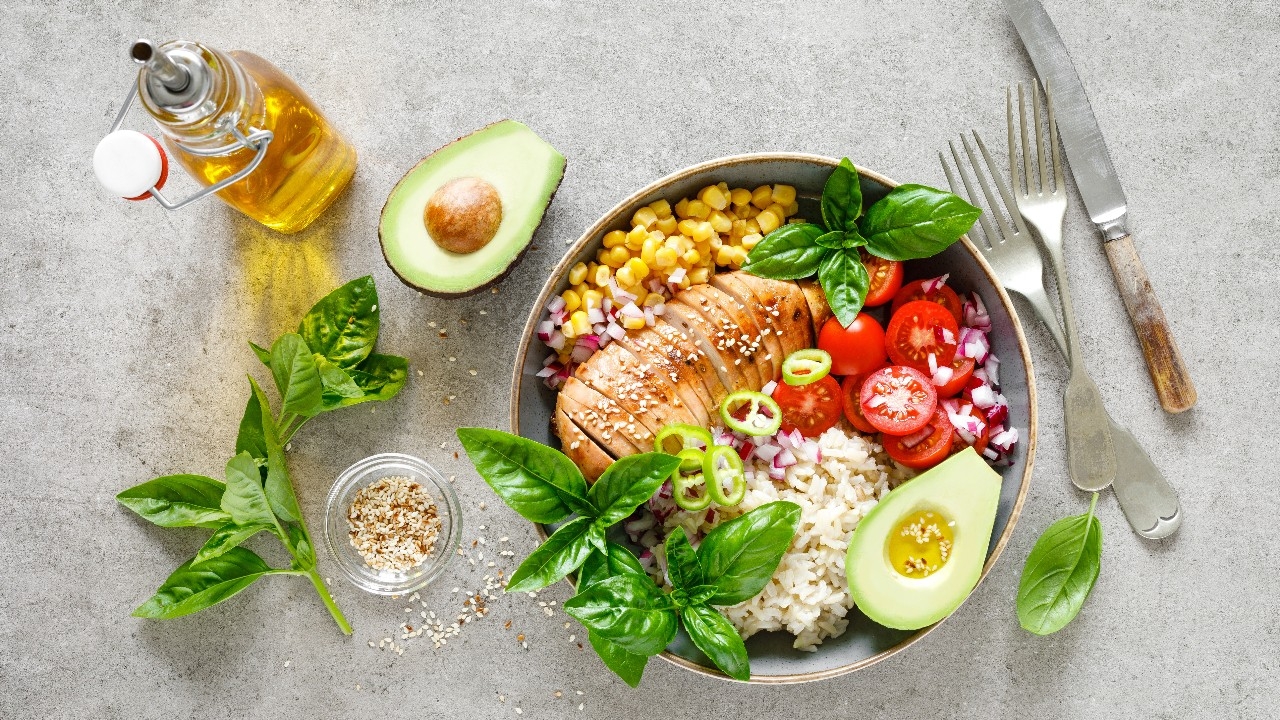
The key highlight of this article is the “satiety equation.” Instead of eating foods separately, like only salad or plain rice, the trick is to always include the three main nutrient groups on your plate:
- Protein, such as meat, eggs, or beans.
- Healthy fats, like avocado, olive oil, or nuts.
- Carbohydrates/fiber, such as brown rice, vegetables, and fruit.
Why does this formula help with weight loss?
1. It stops the blood sugar rollercoaster.
Eating only starch or sweets causes blood sugar to spike then crash, leading to dizziness, hunger, and cravings for more sweets. Adding protein and fat acts like a brake, slowing sugar absorption and keeping energy levels steady, reducing frequent hunger.
2. It signals your brain that you’re full.
Protein stimulates satiety hormones, while fat slows stomach emptying, helping you feel full longer and avoid snacking.
3. You naturally eat less.
Stable blood sugar and prolonged fullness lead to a natural reduction in daily calorie intake.
3. Practical Meal Ideas for Effective Food Combining
Try turning your usual meals into balanced, quality dishes by adding what's missing according to this formula.
- High-energy breakfast: toasted whole wheat bread (carbs) + fried egg (protein) + avocado (healthy fat).
- Clean lunch: baked salmon (protein/fat) + brown rice (carbs) + broccoli (fiber).
- Quick breakfast: vegetable and cheese omelet (protein/fat) + English muffin or fruit (carbs).
- Long-lasting lunch: turkey sandwich (protein) + spinach/tomato (fiber) + guacamole/mashed avocado (healthy fat).
- Snack or light meal: oatmeal cooked with milk (carb/protein) topped with walnuts and berries (healthy fat/fiber).
- Wrap menu: wrap filled with chicken, vegetables, and feta cheese.
The simple rule is: if your plate only has rice and vegetables, add eggs or meat. If you have steak only, add salad and complex carbs for balance.
Frequently Asked Questions About Food Combining
What food combinations help with weight loss?
- Focus on protein + fiber + healthy fats in every meal to stay full longer and control blood sugar.
Are there food pairs that burn fat?
- Some foods may temporarily boost metabolism, but sustainable fat loss comes only from consuming fewer calories than you burn.
Do metabolism-boosting foods really exist?
- High-protein foodsrequire more energy to digest, slightly increasing metabolism, as do chili and coffee. But effects are usually temporary. Strength training to build muscle is more effective.
Some food combining ideas are fanciful, but the principle of pairing carbohydrates with protein and healthy fats is genuinely beneficial. It prolongs fullness, stabilizes blood sugar, and ensures adequate nutrition—key foundations for healthy weight loss.