

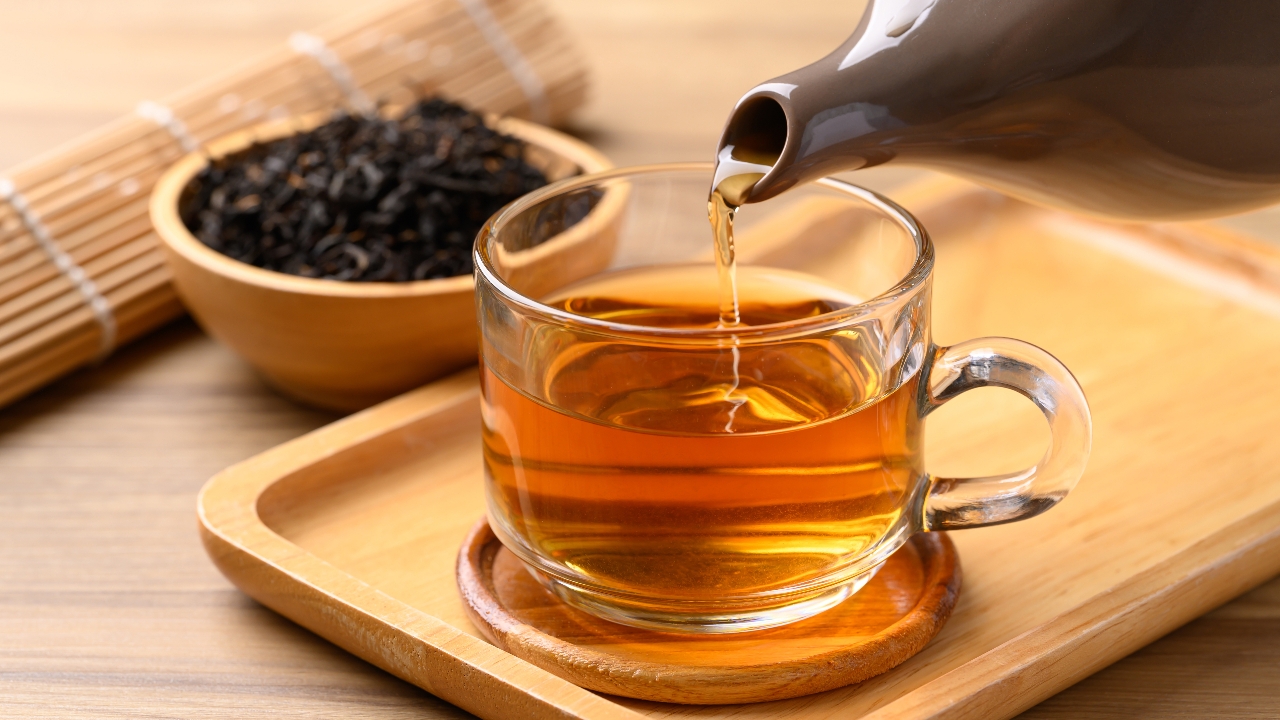
An in-depth look at the benefits of black tea, a powerful drink that helps reduce heart disease risk and aids weight loss, along with a comparison to matcha and important precautions for healthy drinking.
Who says only matcha is a healthy tea? Black tea is another powerful beverage globally recognized for its significant benefits, especially for cardiovascular health. Many often compare it to popular matcha. Today, Thairath Online will explore how these two teas differ and which best suits your lifestyle.
Black tea is made from the leaves of Camellia sinensis, the same plant as green tea, but it undergoes full oxidation, giving it a dark color, a distinctive aroma, and unique beneficial compounds not found in other teas.
According to an article fromUCLA Health,the benefits of drinking black tea include six key points:
Black tea is rich in theaflavins, which help lower blood cholesterol, and flavonoids—antioxidants also found in red wine and fruits. Research shows regular black tea consumption can reduce blood pressure and decrease cardiovascular disease risk by up to 8%.

Long-term studies reveal that individuals drinking at least two cups of black tea daily have a significantly lower risk of stroke compared to non-drinkers.
Unlike coffee, which can cause jitters, black tea contains caffeine and the amino acid L-theanine, which together promote alertness and concentration gradually, making you feel energized yet relaxed.
Drinking unsweetened black tea improves insulin function, benefiting post-meal blood sugar management and reducing the risk of type 2 diabetes.
Polyphenols in black tea help inhibit the growth of certain cancer cells. While not a cure, regular consumption may reduce the risk of cancers such as oral, lung, and prostate cancer.
Black tea promotes the growth of beneficial gut bacteria and suppresses harmful bacteria, positively affecting immune function and digestive health.
| Characteristics | Black Tea | Matcha |
| Processing | Fully oxidized | Finely ground from fresh leaves (unoxidized) |
| Caffeine Content | Moderate (about 40-70 mg per cup) | High (about 70-140 mg per cup) |
| Antioxidants | Theaflavins | Very high EGCG (epigallocatechin gallate) |
| Flavor | Strong, slightly astringent, with a fermented aroma | Smooth, creamy, with fresh grassy notes |
| Highlights | Heart health support, affordable | Fat burning, cancer prevention |
Despite its many benefits, black tea has limitations to watch for, including:

Whether black tea or matcha, both offer health benefits when consumed in moderation (about 2-3 cups daily). If you focus on heart health and prefer a strong flavor, black tea is an excellent choice. For maximum antioxidants and anti-aging effects, matcha may be better. Most importantly, avoid adding sugar or creamer to fully benefit from the tea leaves’ natural properties.