

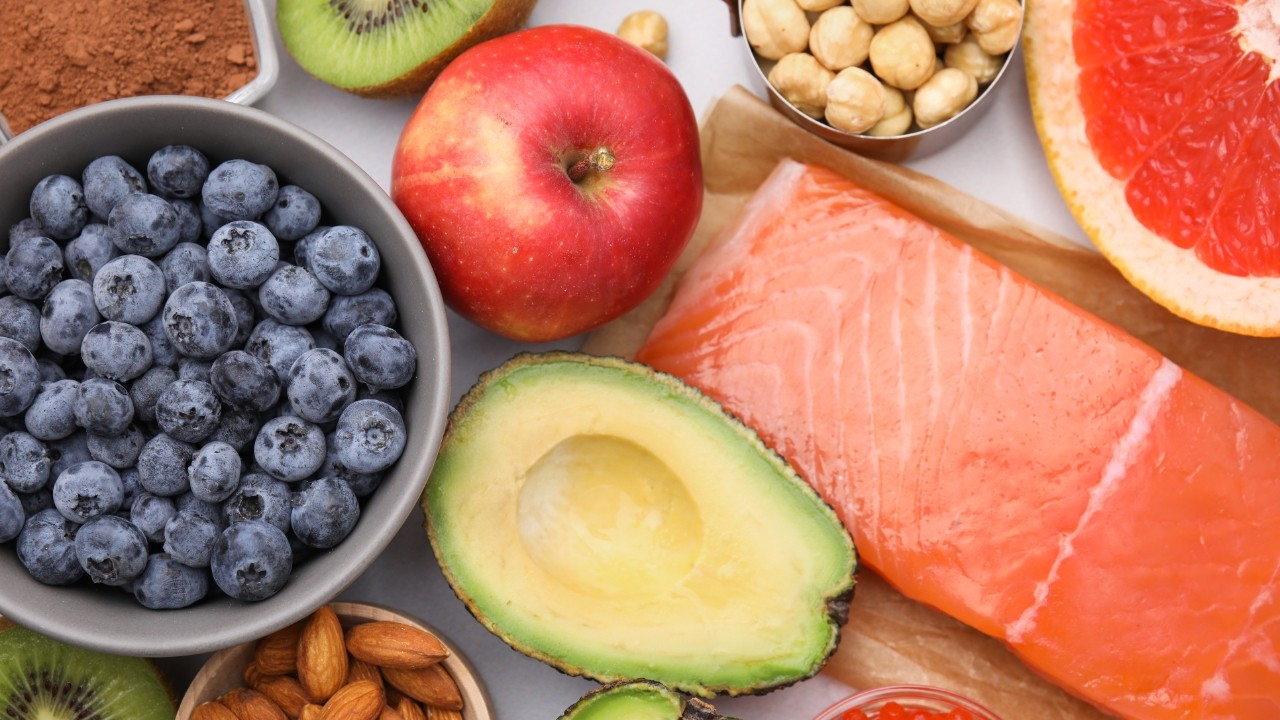
A list of nine foods known for their properties to balance emotions, reduce stress, and promote mental health, along with explanations of how their nutrients directly affect the brain according to the latest nutrition science facts and findings.
Food not only satisfies hunger but also profoundly influences our emotions. Nutritionists have revealed a list of common foods that help the brain release happiness chemicals, reduce anxiety symptoms, and build mental health defenses starting from daily meals.
Taking care of mental health isn’t just about rest or leisure activities. Nutrition is a key factor scientifically proven to regulate brain chemistry. Here are recommended foods to keep in your kitchen for good mental health.
Fatty fish like salmon and tuna are rich in omega-3 fatty acids (EPA and DHA), which are crucial for reducing brain inflammation and improving neurotransmitter function, thereby lowering the risk of depression.

A favorite sweet treat containing flavonoids that enhance blood flow to the brain and stimulate endorphin release, helping reduce stress and produce immediate relaxation upon consumption.
Kimchi, yogurt, or kefir do more than aid digestion; the probiotics in these foods directly impact serotonin production—the happiness hormone—over 90% of which is produced in our gut.
A source of vitamin B6 and natural sugars that the body quickly absorbs, bananas help produce neurotransmitters that regulate mood and contain high fiber to stabilize blood sugar, preventing mood swings.
An excellent breakfast option with a low glycemic index, oats provide steady energy, reducing fatigue and mood swings caused by sudden drops in blood sugar.
Almonds, walnuts, and pumpkin seeds are high in protein and healthy fats and contain tryptophan, a precursor to serotonin production, which aids sleep and reduces anxiety.

Berries are rich in antioxidants called anthocyanins, which protect brain cells from damage and effectively reduce physiological stress.
These are abundant in B vitamins and folate, essential for mood regulation; folate deficiency can increase susceptibility to depression.
Moderate caffeine intake inhibits adenosine, which causes drowsiness, and stimulates dopamine release, making one feel more alert and focused.
Regularly consuming these foods not only supports physical health but also helps "heal the mind" to better cope with daily stress. However, they should be eaten in moderation and combined with exercise for optimal results.
Source:Healthline