

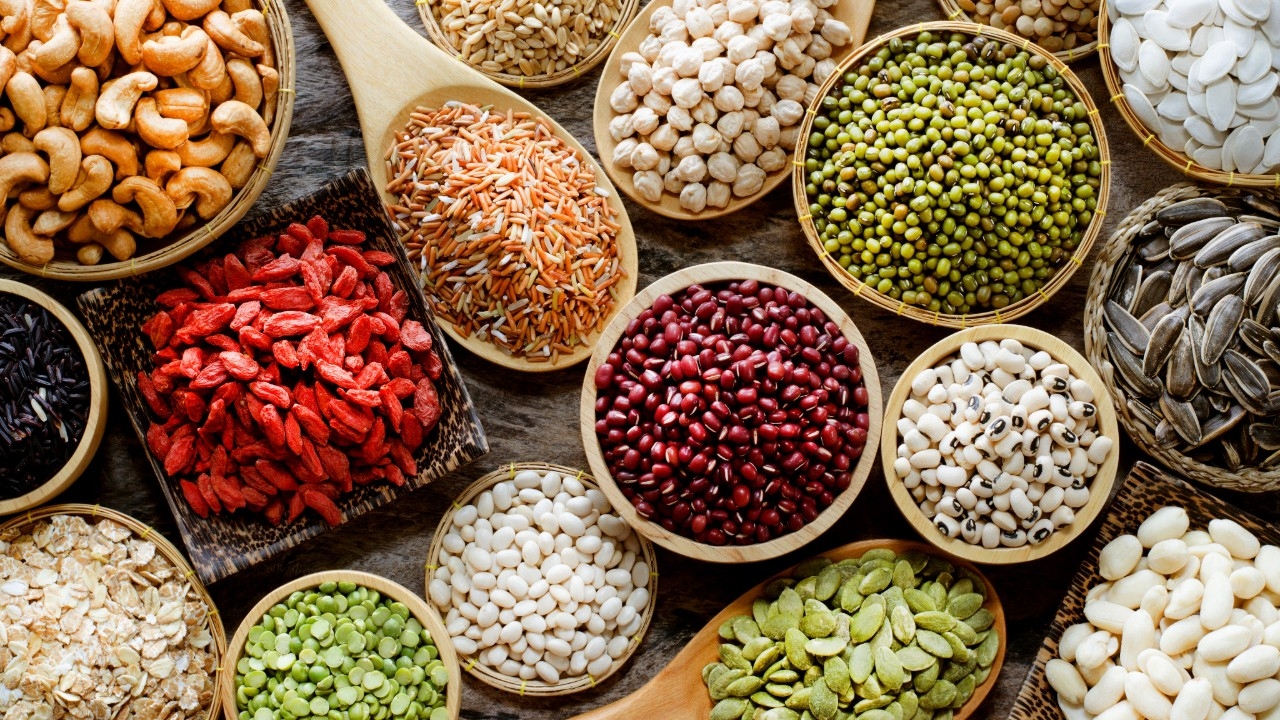
Introducing " plant-based protein" for health-conscious individuals seeking easily digestible, low-fat protein options that are environmentally friendly. Plant-based protein is an appealing health choice. Thairath Online introduces 10 plant-based protein foods that are easy to find along with their key benefits.Get to know "plant-based protein": what it is and who it suits.
(Plant-based protein) refers to foods that primarily provide protein from plants rather than meat, dairy, or eggs. It is commonly found in beans, grains, seeds, and certain vegetables. These proteins help build and repair muscles as well as support the functioning of various organs. Plant-based proteins often come with dietary fiber, vitamins, minerals, and healthy fats, which support heart health, digestive function, and weight management. They are also easier to digest and contain less saturated fat compared to animal proteins.
Plant-based protein foods are ideal for health enthusiasts, those aiming to reduce meat consumption, vegetarians, vegans, and anyone interested in long-term health care. Combining a variety of these foods ensures balanced and adequate amino acid intake for the body.
Here are 10 easy-to-find plant-based protein foods along with their health benefits.

2. Lentils
3. Job's Tears (Coix Seeds)
They are commonly used in healthy dishes and desserts.
4. Quinoa
5. PeanutsPeanuts are an easily accessible source of plant protein, rich in healthy fats that support heart health. They provide energy throughout the day and make a good snack for active people. High in fiber, peanuts promote satiety but should be eaten in moderation to control calorie intake.6. Pumpkin SeedsPumpkin seeds are a healthy snack high in protein and rich in essential minerals like zinc and magnesium. They boost the immune system, aid muscle recovery after exercise, and contain healthy fats that support heart health. Pumpkin seeds can be sprinkled on salads or eaten as an alternative to snacks.7. Chia SeedsChia seeds are a small superfood packed with protein and fiber, promoting fullness and reducing appetite. They benefit digestive health and gut function, as well as cardiovascular health. Commonly added to smoothies and yogurt, they are easy to eat and enhance both flavor and nutrition.8. AlmondsAlmonds are nuts rich in protein and healthy fats, supporting brain and nervous system health. They contain vitamin E, which benefits skin health and helps reduce the risk of heart disease. Almonds make a suitable snack for health-conscious individuals but should be consumed in moderate amounts to avoid excess calorie intake.
Spinach is a leafy green vegetable providing plant protein and is rich in iron, calcium, and various vitamins. It supports muscle building, cellular functions, bone and blood health, and is low in calories, making it suitable for weight control. Spinach can be stir-fried, blanched, or added to smoothies easily.

Red beans are a plant-based protein source high in dietary fiber, helping control blood sugar levels and supporting digestion and bowel movements. They promote satiety and reduce snacking, making them ideal for weight and gut health management. Red beans can be included in a variety of healthy dishes.
plant-based protein not only supports body building but also benefits heart and digestive health. It suits the lifestyle of health-conscious individuals, whether vegan, vegetarian, or those reducing meat consumption. Incorporating these plant proteins into meals guarantees both health and flavor.
Top 10 whey and plant-based protein brands: Which Plant Based Protein is best?
