

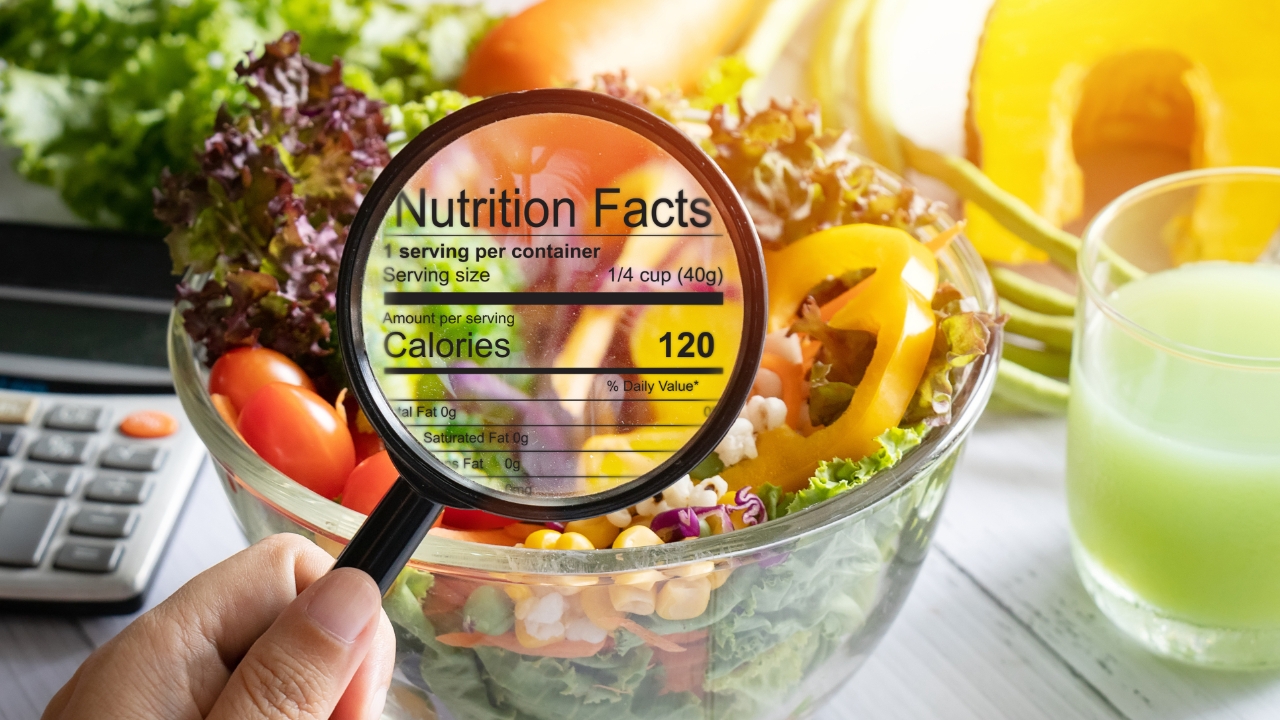
A list of healthful foods that pack more energy than expected, including avocado, granola, and various nuts, together with expert tips on portion control to support effective and healthy weight loss.
Choosing to eat healthy food is positive, but many fall into the trap of the term 'clean eating' and end up overeating. Experts say many healthy foods contain hidden high calories that, if not portioned properly, can lead to unintended weight gain rather than slimming. Thairath Online has summarized which foods you should be cautious about.
Often, we pick foods just because they are labeled "Natural" or "Healthy," but in nutrition, calories and nutrients are different matters. Some foods are highly beneficial but come with concentrated energy, such as the following.
Although a source of good fats that support heart health, one avocado can provide 250-320 calories. Eating several daily may lead to excessive calorie intake.
A popular grain choice for weight loss but often coated with sugar, honey, or oil for crispiness. One cup can contain 400-600 calories—comparable to a plate of fried rice.

Nuts are excellent protein and fiber sources but high in fat. A handful of almonds (about 20) provides nearly 170 calories; just two tablespoons of nut butter can have almost 200 calories.

Removing water concentrates sugars greatly, such as in raisins or dates. One cup of dried fruit has 5-8 times more calories than the same amount of fresh fruit and often includes added sugar.
Known as one of the healthiest oils, but still a fat source. One tablespoon contains about 120 calories. Drizzling it generously on salads can make the dish higher in calories than a burger.
These "superfoods" are rich in omega-3s and minerals but also high in fat. Just 1/4 cup of pumpkin seeds can provide 200 calories. Many overuse them as salad or yogurt toppings, thinking of them as mere snacks.
A fruit smoothie may seem like a refreshing healthy choice, but when multiple fruits, syrups, sweetened yogurt, or almond milk are added, a single glass can contain 400-800 calories. Drinking it allows faster sugar absorption compared to chewing fresh fruit.

Greek yogurt is an excellent protein source, but full-fat versions have significantly more calories than 0% fat types. A small cup can contain 150-200 calories, and adding toppings like honey or dried fruit raises calories quickly.
Praised as a high-protein grain and a great white rice substitute, cooked quinoa provides about 222 calories per cup—close to white rice’s 200-240 calories.

Cocoa antioxidants benefit the heart, but dark chocolate still contains fats and sugars. One bar (about 100 grams) may have 500-600 calories.
Eating healthy foods is good and encouraged, but the key to weight control is "balance." Knowing calorie amounts in each food helps plan eating better—not by avoiding but by "eating wisely" in amounts the body needs for sustainable health and desired shape.
If you are trying to lose weight, consuming these foods in appropriate portions helps you feel full longer and get complete nutrition. However, eating without caution because you think "you can eat as much as you want since it’s clean food" may be the main reason your weight isn’t dropping.
Source:Parade