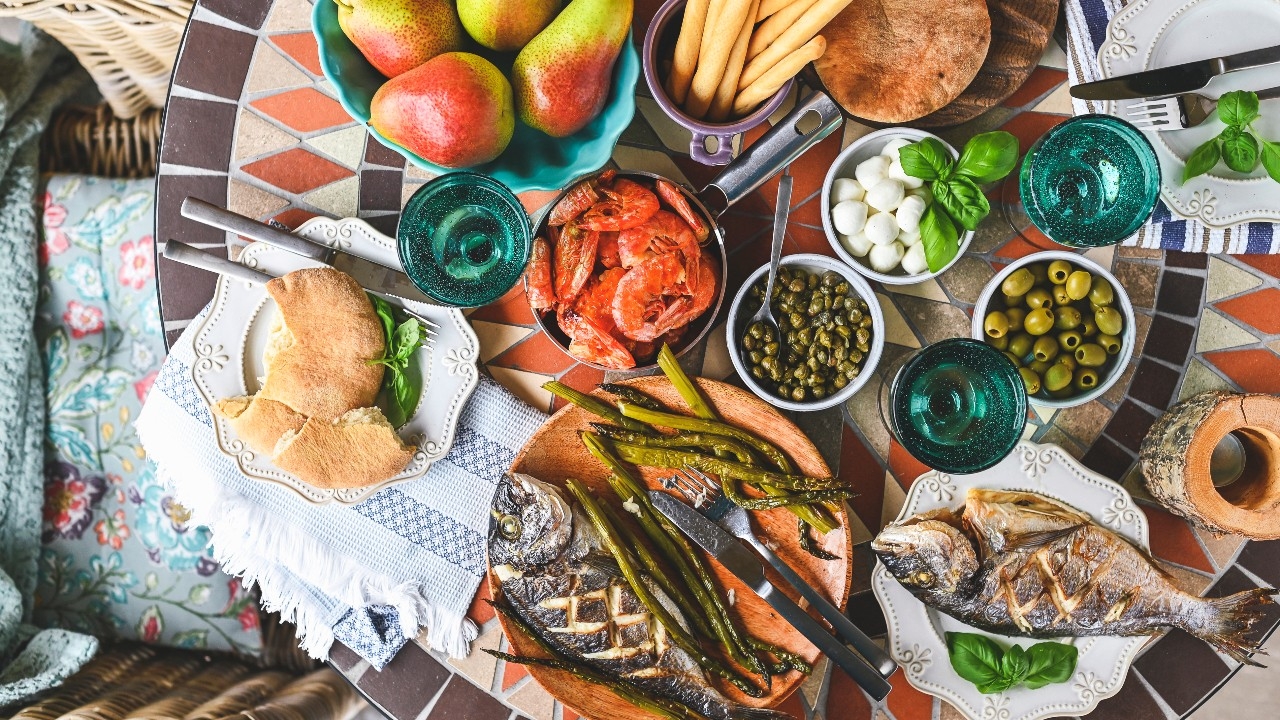
Revealing dietary secrets for longevity and good health, this article explores Caloric Restriction in depth and introduces global anti-aging dietary patterns along with Thai dishes that reduce cellular inflammation.
Thailand has officially entered an aging society, making health care from today onward crucial. Beyond exercise, "diet" is a key factor in slowing cellular deterioration and improving quality longevity. Let's explore dietary tips that help us age gracefully.
Caloric Restriction: The Starting Point for Slowing Aging
Excessive energy intake, especially fromcarbohydrates and sugar,is a primary cause of fat accumulation and increased free radicals. This leads to low-level chronic inflammation and tissue damage, accelerating aging. Therefore, controlling energy intake to maintain weight balance is a fundamental approach that clearly promotes longevity.
Three Global Dietary Patterns for Health and Longevity
Studies of international anti-aging diets such as Okinawan, Mediterranean, and Nordic show common features as follows:
- Reduce red and processed meats: to lower saturated fats, trans fats, andcarcinogens.
- Emphasize white meats: choosing fish and fish products in appropriate amounts.
- Select healthy fats: using olive oil, canola oil, avocado, and omega-3 from marine fish to support cardiovascular health.
- Focus on vegetables and whole grains: consuming vegetables, fruits, and nuts that are rich in antioxidants and phytochemicals.
Introducing Thai "Superfood" Recipes Close to Home That Help Slow Aging
For Thais, local herbs and spices can be easily adapted into anti-aging dishes.Examples includerecommended healthy menus such as
1. Clear Seafood Tom Yum (Anti-Inflammatory Booster)
A dish rich in fresh herbs that promotes blood circulation and contains no saturated fat from coconut milk.
- Ingredients: fish, shrimp, squid, straw mushrooms, galangal, lemongrass, kaffir lime leaves, bird’s eye chili, lime.
- Preparation: Boil water and add galangal, lemongrass, and kaffir lime leaves until fragrant. Add seafood and mushrooms; once cooked, turn off heat and season with fish sauce and fresh lime juice to preserve vitamin C.
2. Fresh Shrimp Kaeng Liang (Phytochemical Delight)
An excellent dish combining various vegetables high in phytochemicals that help slow cellular damage.
- Ingredients: fresh shrimp, angled gourd, ivy gourd leaves, pumpkin,baby corn,and lemon basil leaves.
- Spice paste: peppercorns, shallots, authentic shrimp paste, dried shrimp powder.
- Preparation: Pound the spice paste finely, dissolve in boiling water, add vegetables that take longer to cook first (pumpkin, baby corn), then add shrimp and leafy vegetables, finishing with lemon basil leaves for aroma and digestive benefits.
3. Grilled Herb-Stuffed Fish (Omega-3 & Lean Protein)
Grilling avoids unnecessary vegetable oils and provides high-quality protein from fish meat.
- Ingredients: ruby fish or sea bass, salt, lemongrass, pandan leaves.
- Preparation: Stuff the fish with lemongrass and pandan leaves to remove odors, lightly salt the surface, then grill over medium heat until evenly cooked. Serve with a variety of fresh vegetables to increase fiber and antioxidants.
4. Mackerel Salad (Healthy Fats & Herbs)
Mackerel is a good source of long-chain omega-3 fatty acids beneficial for heart and blood vessel health.
- Ingredients: grilled mackerel (avoid frying), shallots, sliced lemongrass, cilantro, bird’s eye chili.
- Preparation: Flake grilled mackerel into bite-sized pieces, mix with shallots, lemongrass, and dressing (lime, fish sauce, a little coconut sugar). This low-calorie but nutrient-dense dish is suitable for weight management.
Good Health Is More Than Just Numbers
Improving quality of life each year depends not only on nutrition but also onappropriate physical activity.Successfully changing both diet and lifestyle helps slow aging and increases lifespan with happiness, both physically and mentally.
Information by: Assistant Professor Dr. Sukrit Sirikhwanpong, Department of Nutrition and Dietetics, Faculty of Allied Health Sciences, Chulalongkorn University.