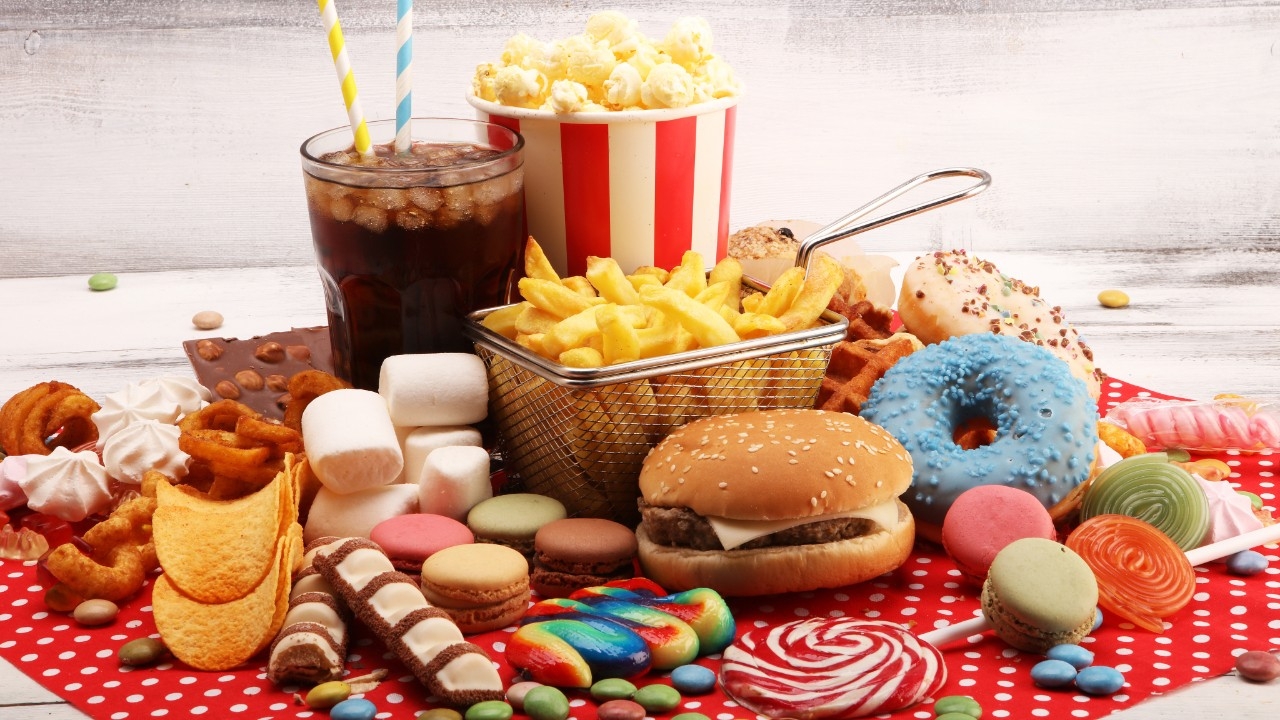
Research reveals ultra-processed foods affect the brain similarly to tobacco addiction. Check warning signs and five ways to quit sweet and fatty cravings for long-term health.
Have you ever wondered why you can't stop eating fried potatoes or sweets? Recent research points to the cause."Ultra-processed foods"may have addictive effects as strong as tobacco, directly impacting the brain and dopamine system, becoming a silent threat that's harder to quit than expected.
When"food"becomes"an addictive substance"
A new study published in a global health journal has raised worldwide concern, finding that ultra-processed foods such as snacks, soft drinks, and frozen meals not only have low nutritional value but also contain chemical properties that strongly trigger"food addiction"Researchers state that the combination of refined carbohydrates and fats in highly processed foods affects the brain in a way similar to
"nicotine"found in tobacco, through the following mechanisms:Absorption speed: The body rapidly absorbs sugar and fat, instantly stimulating pleasure.
- Dopamine release: The brain signals repeated cravings, causing withdrawal symptoms.
- "Withdrawal"when not consumed.Loss of control: Consumers cannot stop eating despite knowing the harm to their bodies.
- Check the warning signs: Are you
"addicted to processed foods"?If you often display these behaviors, it may indicate your body and brain are becoming victims of ultra-processed foods.Unable to stop even when full: Continuing to eat until the package is finished or feeling full but still wanting to chew.
- "withdrawal symptoms"
- : Feeling irritable, headaches, fatigue, or lack of concentration when trying to reduce or quit, leading to relapse for relief.Obsessive thoughts: Spending excessive time thinking about these foods or seeking to buy them even at inappropriate times.Eating to relieve stress: Using sweets and fats to reduce anxiety, forming an indispensable habit.
- Close danger: What kinds of foods qualify as ultra-processed foods?
- These foods typically undergo industrial processing and contain preservatives, artificial colors, and many flavor additives you should watch out for.
Sausages, ham, and processed meats with unnaturally bright colors.
Instant noodles and ready-to-eat frozen meals.
- Sweetened cereals and commercially produced white bread.
- Soft drinks and energy drinks.
- Five behavioral adjustments to restore health and break the addiction cycle.
- Overcoming brain mechanisms is not easy but achievable with careful planning, such as:
Apply the 80/20 rule: Focus on eating natural whole foods 80% of the time and allow processed foods no more than 20% to reduce pressure.
Read labels carefully: Avoid products with more than five additives or unfamiliar chemical names.
- Increase protein and fiber: Eating vegetables and quality protein helps you feel full longer and reduces sugar cravings throughout the day.
- Drink water instead of sweetened drinks: Often the body confuses
- "hunger"
- with"thirst".Sipping water frequently helps reduce snacking.Get enough sleep: Sleep deprivation raises hunger hormones and makes the brain crave high-energy foods more than usual.Addiction to ultra-processed foods is not just a matter of
- "lack of willpower"
but a biological mechanism designed to make quitting difficult. Starting to reduce, quit, and return to natural foods is not only about losing weight but also about restoring brain function and preventing chronic diseases (NCDs) in the long term.Source:Healthline,