

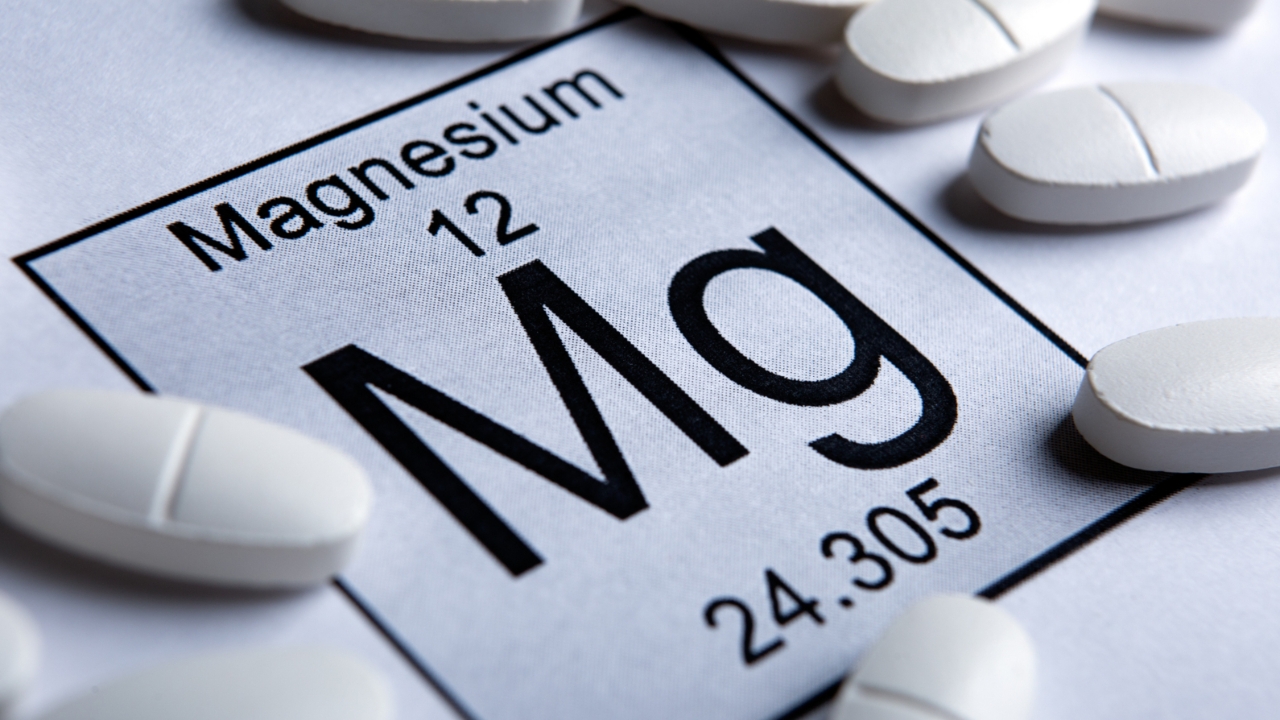
A comprehensive overview of magnesium, a mineral that aids sleep, reduces stress, and prevents cramps, along with proper intake guidance, precautions, and foods high in magnesium—all covered in one place.
Many people have experienced waking up in the middle of the night due to calf cramps, chronic fatigue, or difficulty falling asleep despite trying. These symptoms may not only be caused by tiredness but can also signal that your body is lacking magnesium, an essential mineral that plays a key role in over 300 bodily functions.
In the realm of nutrients, magnesium acts like a "natural neurotransmitter" that helps the body enter a relaxed state. Its primary role is controlling muscle contraction and relaxation, which explains why those who exercise intensely or pregnant women need sufficient magnesium to prevent muscle cramps or spasms.

Moreover, magnesium operates at the brain cell level by inhibiting neurotransmitters that stimulate alertness, calming the mind, reducing anxiety, and directly improving sleep quality for longer, deeper rest. It also plays a vital role in lessening migraine severity and strengthening bones in conjunction with calcium.
A common question is, "When should we take magnesium?" The answer depends on your health goals. For promoting sleep and muscle relaxation, taking it during dinner or before bedtime is ideal, as it allows the body to absorb and utilize magnesium best during rest. It is recommended to take it with food to avoid stomach discomfort in some cases.
However, "even good things can have negative effects if misused." Important precautions include avoiding taking magnesium together with high doses of calcium because these minerals compete for absorption. Some antibiotics may also be less effective if taken simultaneously. Additionally, people with kidney disease should always consult a doctor before starting magnesium supplements, as impaired kidney function can hinder the elimination of excess minerals, potentially harming blood pressure regulation.
Boosting magnesium levels isn't limited to supplements; many common foods available in local markets are rich in this mineral.
Magnesium is a key component of chlorophyll in plants, so dark green vegetables are very high in magnesium, such as:
These are concentrated sources of energy and minerals, ideal as snacks.

Magnesium is not a miracle cure but a fundamental element of good health. Recognizing your body's signals and choosing natural foods rich in magnesium, along with adequate rest, are keys to sustainably reducing stress and muscle aches. If supplements are necessary, selecting the appropriate form and consulting specialists will help you maximize benefits without side effects.