

A collection of dangerous summer dishes to avoid, along with tips on storing food safely using the 2-hour rule to prevent diarrhea and food poisoning.
As summer arrives and temperatures rise, it's important to be cautious not only about sun exposure but also about food safety. Hot weather encourages rapid growth of microorganisms and bacteria, causing food to spoil more quickly than usual. Here is a checklist of foods to avoid and tips for safe food storage to keep you free from diarrhea and food poisoning throughout the summer.
During extreme heat, certain foods have a high risk of contamination. Poor storage or insufficient cooking can easily harm your health as follows.

Green curry, red curry, or Thai desserts with coconut milk are among the top dishes that spoil fastest in hot weather. Leaving them at room temperature for just a few hours allows bacteria to start multiplying immediately.
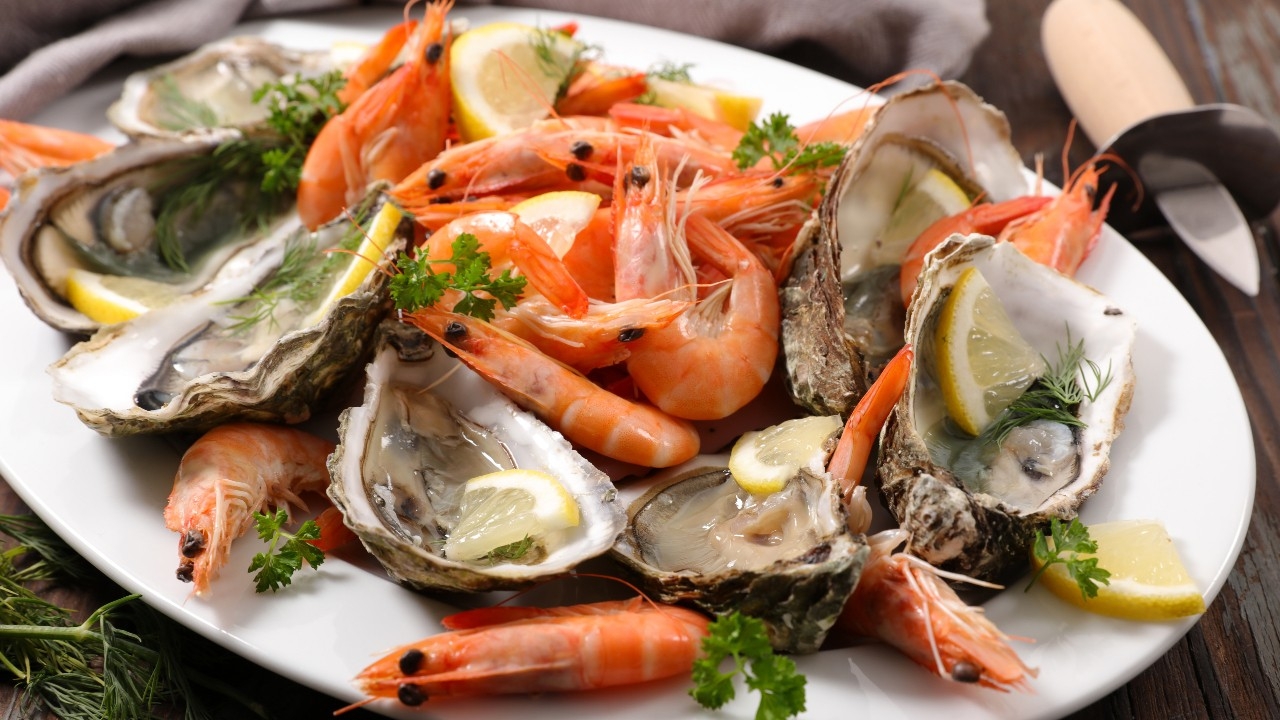
Popular dishes like shrimp in fish sauce, spicy cockle salad, or raw blood salad carry a risk of Vibrio bacteria if ingredients are not fresh or thoroughly cleaned. This is a leading cause of severe diarrhea.
Some salad dressings or dishes using raw eggs risk Salmonella infection, which thrives in hot conditions, causing nausea, vomiting, and stomach pain.
Reheating leftovers insufficiently—below 70 degrees Celsius—may fail to kill bacteria that developed during the day.

Many overlook fresh vegetables in dishes like papaya salad or mixed rice. Vegetables watered with unclean water or not washed well can carry parasite eggs or bacteria.
Cooking alone is not enough. Improper storage can turn seemingly clean food into a breeding ground for germs in no time. Here are recommended practices.
If you consume contaminated food, symptoms usually appear within 2-6 hours. Warning signs include:
Basic care: Drink oral rehydration salts (ORS) to replenish fluids lost, avoid anti-diarrhea medication to allow the body to expel toxins, and seek medical attention immediately if symptoms worsen within 24 hours or if lethargy occurs.
The key is the "cook, hot, clean" principle: eat freshly cooked food, reheat market-bought food thoroughly before eating, and wash hands often. With these practices, you can enjoy summer without worrying about your health.