

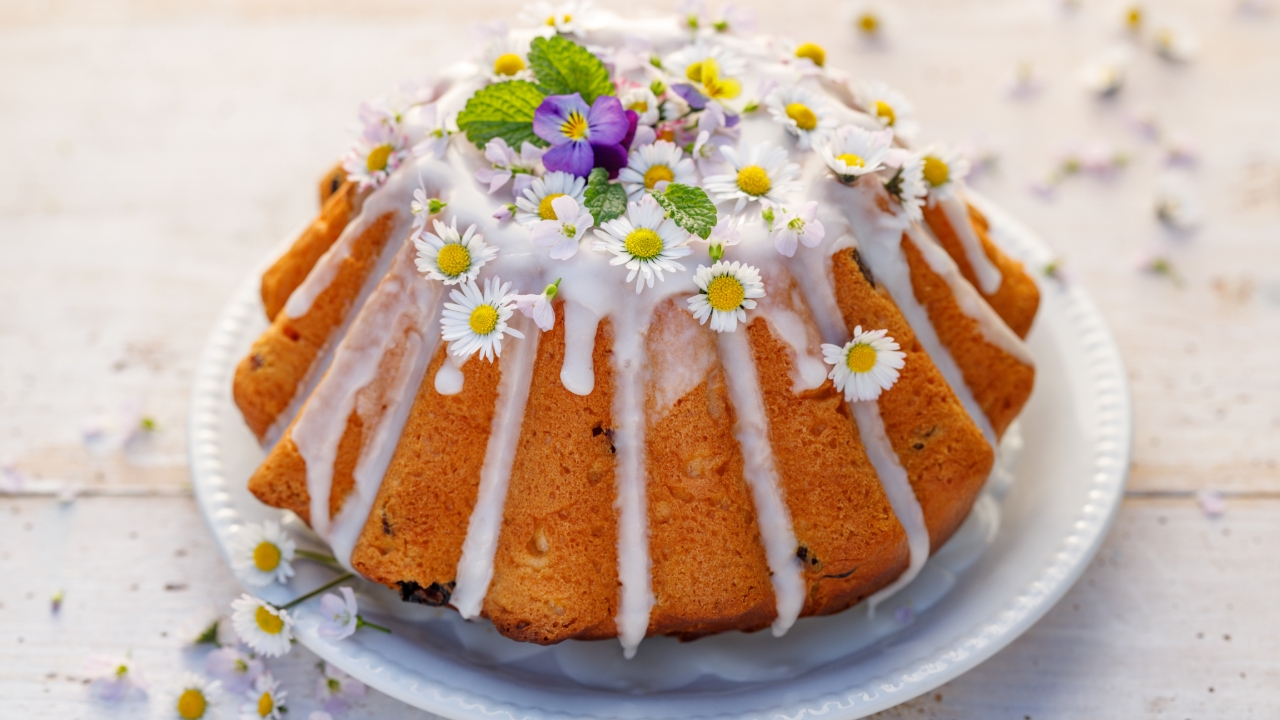
Decorating food and drinks with “ edible flowers ” (Edible Flowers) is commonly seen in cafes and fine dining restaurants. Besides adding vibrant colors and making dishes photogenic, some flowers have unique fragrances and provide relaxing benefits.
Thairath Online introduces 10 popular edible flowers that can be creatively used to decorate savory dishes, sweets, cakes, and beverages.
When choosing edible flowers, consider the type of food, including taste, aroma, and texture. Here are 10 commonly used edible flowers for decoration and cooking:
Beyond its beauty and distinctive fragrance, rose petals (only edible and pesticide-free varieties) are popular for making rose tea, rose jam, or as an elegant garnish on cakes and mocktails.
A favorite flower known for its vibrant color and high anthocyanin content. Extracted to make drinks like butterfly pea lemonade or used as a natural food coloring in Thai desserts such as Bua Loy, Khanom Chan, and Khao Kriab Pak Mor.

A white flower with a refreshing fragrance, often floated in cold water for thirst quenching or used in syrup water for traditional Thai sweets to impart a gentle aroma.
A native flower with bright red or pink hues, offering a sour and slightly astringent taste along with a unique scent. The petals are thinly sliced into Southern Thai rice salad or tossed in spicy salads to enhance flavor and color.

A familiar garden flower with a slightly sweet and sour taste near the base of the petals. Often battered and deep-fried, served with dipping sauce, or the small flowers are plucked to brighten up dishes.
Small yellow flowers blooming at the end of the rainy season, used in various dishes including savory ones like Sesbania sour curry and omelets, as well as sweets that combine sweet and creamy flavors.
A health-beneficial flower known to relieve heat-related fevers. Commonly used in Agasta sour curry or boiled and served with chili paste. It’s advised to remove the stamens before cooking to reduce bitterness.

Greenish-yellow flowers with a mild fragrance and a slightly sweet bland taste, rich in vitamins. Popular dishes include stir-fried cowslip creeper with eggs, clear soups, or boiled as a side with chili paste.Shrimp paste
Pink lotus petals are edible with a slight astringent taste. They are used in "Miang Kham" by substituting lotus petals for wild betel leaves, offering both beauty and balanced flavor, and also as plate liners for traditional Thai aesthetics.

A familiar yellow flower often consumed as an herbal drink. Dried chrysanthemum flowers are boiled with water and brown sugar to relieve thirst, cool the body, and soothe the throat.
Although edible flowers are beneficial and visually appealing, important safety considerations include:

However, using edible flowers in meals not only adds artistry to the plate but also offers a new taste experience. For anyone wanting to decorate their favorite dishes with flowers, remember to prioritize cleanliness and safety for a meal that is both beautiful and healthy.