

Thairath Online
Thairath Online

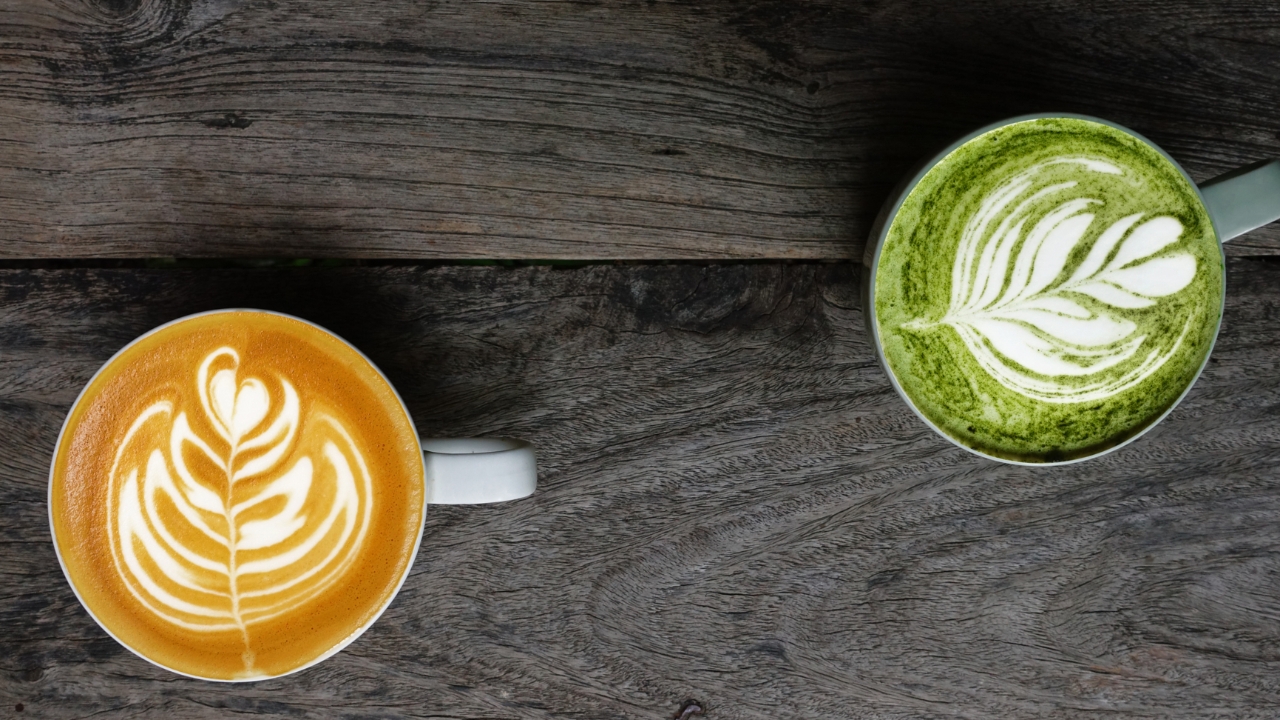
List of High and Low Caffeine Beverages: Comparing Your Favorite Coffee and Matcha—Which Has More Caffeine?

Food29 Mar 2026 13:37 GMT+7

Share

List of High and Low Caffeine Beverages: Comparing Your Favorite Coffee and Matcha—Which Has More Caffeine?

Check the caffeine content in popular drinks such as coffee, tea, matcha, cocoa, soft drinks, and energy drinks, along with advice on how to choose beverages that keep you alert without disturbing your sleep at night.

Many people are believed to start their day with"caffeine."Whether it's your favorite cup of coffee, hot tea, or strong matcha to stimulate your body for work, have you ever wondered how much caffeine each drink contains? If you want to stay alert without jitters or sleepless nights, what should you choose? Thairath Online has gathered clear information here for you to check.

Comparing caffeine amounts in popular drinks: which cup"hits"the highest?

Understanding caffeine amounts is important because each person's body responds differently to it. Generally, healthy adults should not consume more than 400 milligrams of caffeine per day (equivalent to about 4 cups of coffee). Exceeding this may affect the nervous system and sleep.

1. Coffee: The champion of alertness

Coffee remains the beverage with the highest caffeine content, but the amount depends on the coffee bean type and brewing method.

ภาพจาก iStock

  • Brewed Coffee: About 95–165 milligrams per 8-ounce cup.
  • Espresso: About 63 milligrams per 1-ounce shot.
  • Instant Coffee: About 30–90 milligrams per cup.

2. Green Tea and Matcha

Many think green tea has low caffeine, but if it’s"matcha,"you might need to reconsider.

ภาพจาก iStock

  • Matcha: Contains high caffeine levels of 70–140 milligrams per cup because it involves consuming the whole powdered leaf, unlike regular green tea which is brewed by steeping leaves.
  • Regular green tea: About 25–45 milligrams per cup.

3. Black Tea and Milk Tea

Black tea undergoes a stronger fermentation process than green tea, resulting in higher caffeine content.

ภาพจาก iStock

  • Black tea: Approximately 40–70 milligrams per cup, including popular milk teas with tapioca pearls.

4. Cocoa and Chocolate

Although often seen as a children's drink, cocoa naturally contains small amounts of caffeine and also the compound"theobromine,"which promotes relaxation.

ภาพจาก iStock

  • Hot cocoa: Contains about 5–15 milligrams of caffeine per cup, a good choice for those wanting a warm drink but sensitive to caffeine.

5. Soft Drinks and Energy Drinks

ภาพจาก iStock

  • Cola soft drinks: Contain about 30–40 milligrams of caffeine per can.
  • Energy drinks: Contain regulated caffeine levels (usually not exceeding 50 milligrams per bottle in Thailand), but the high sugar content is a concern.

Want to stay awake without feeling jittery? Which should you choose?

If you want focus at work but worry about nighttime sleep, experts recommend the following guidance.

  • Morning (before 10:00 a.m.): Choose coffee or matcha to fully awaken your body from sleep inertia.
  • Afternoon (1:00 p.m. to 3:00 p.m.): Switch to green tea or white tea, which have lower caffeine and contain"L-theanine,"which helps relax the brain while maintaining focus without overstimulation.
  • After 3:00 p.m.: Avoid caffeine-containing drinks or opt for cocoa or herbal tea, which are caffeine-free, allowing your body to clear caffeine before bedtime.

Caffeine levels in beverages vary widely."Coffee"remains the strongest, followed by"matcha."Choosing the right drink at the right time and in appropriate amounts not only boosts work efficiency but also preserves sleep quality, which is essential for long-term health.