

Thairath Online
Thairath Online

Sharing the Recipe for How to Make Sticky Rice in Coconut Milk – Easy for Home Cooking, Perfect for Selling, Fragrant, Rich, and Sweetly Balanced

Food08 Apr 2026 09:55 GMT+7

Share

Sharing the Recipe for How to Make Sticky Rice in Coconut Milk – Easy for Home Cooking, Perfect for Selling, Fragrant, Rich, and Sweetly Balanced

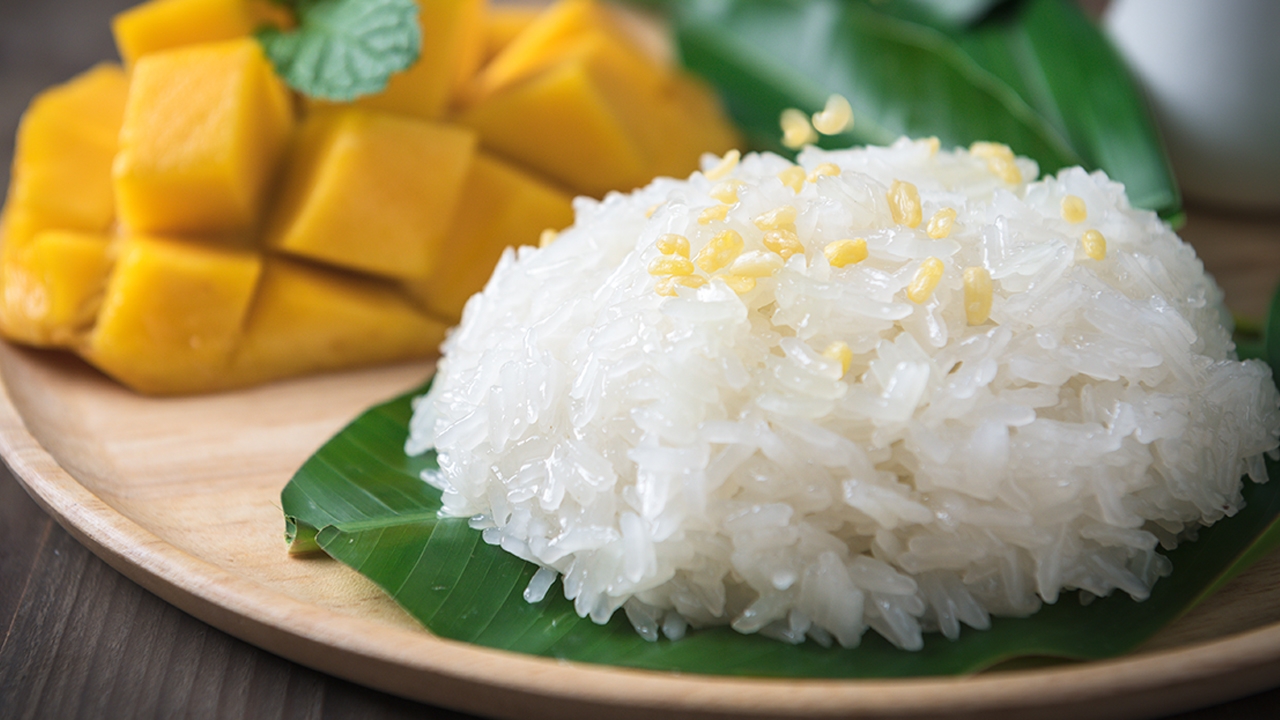
The Thai fruit season has arrived, and popular desserts many people think of include “mango sticky rice” or “durian sticky rice.” The key to the deliciousness of these dishes lies in the “method of making sticky rice in coconut milk.” It must have a sweet, rich, and balanced flavor, with well-aligned sticky rice grains that are not soggy, and a fragrant aroma from fresh coconut milk. Thairath Online takes you deep into the recipe with detailed ingredients and step-by-step instructions, guaranteed suitable for home cooking or even turning into a business.

Ingredients for making sticky rice in coconut milk

Preparing fresh, properly proportioned ingredients is the main key to a delicious traditional-style sticky rice in coconut milk. This recipe is for 1 kilogram of sticky rice.

The main ingredients are as follows:

  • 1 kilogram of old Khao Kiew Ngu sticky rice (using old sticky rice is recommended because it won’t expand excessively or become too soggy when cooked in coconut milk).
  • 800 milliliters of freshly pressed pure coconut cream (if using canned coconut milk, choose 100% pure coconut cream).
  • 500-600 grams of white granulated sugar (adjust according to preferred sweetness).
  • 1 tablespoon of fine salt.
  • 5-7 pandan leaves (to add fragrance when steaming the sticky rice and simmering the coconut milk).
  • 1 block of alum (a tip for washing sticky rice to make the grains clear and beautifully aligned).

Steps for making sticky rice in coconut milk

The process is not as complicated as you might think. Follow these steps to get sticky rice with beautiful grains and just the right flavor.

1. Preparing and washing the sticky rice

  • Rinse the Khao Kiew Ngu sticky rice with clean water 1-2 times.
  • Tip: Use the alum block by stirring it in water and gently rubbing the sticky rice grains with your hands for about 5 minutes. Alum helps remove rice starch, so when steamed, the grains become clear and nicely aligned without clumping.
  • Rinse the sticky rice again with clean water until the water runs clear and not cloudy.
  • Soak the sticky rice in clean water for at least 3-4 hours or overnight.

2. Steaming the sticky rice

  • Drain the soaked sticky rice and let it drain well.
  • Line the steaming basket or steamer with a damp cheesecloth.
  • Place the sticky rice inside and lay 2-3 pandan leaves on top to enhance aroma.
  • Steam over medium-high heat for about 20-25 minutes until the sticky rice is cooked just right (be careful not to overcook it to sogginess, as it will be mixed with coconut milk later).

3. Preparing the coconut milk mixture for soaking

  • While waiting for the sticky rice to cook, heat a pan or pot over low heat.
  • Pour in the coconut cream, then add the granulated sugar, salt, and the remaining pandan leaves tied in a knot.
  • Stir the mixture continuously until the sugar and salt dissolve completely. Caution: Do not let the coconut milk boil and separate. Once the mixture is hot and well combined, turn off the heat and set it aside.

4. Soaking the sticky rice in coconut milk

  • Transfer the freshly steamed, hot sticky rice into a covered container (such as a mixing bowl or enamel pot).
  • Immediately pour the hot or warm coconut milk mixture over the sticky rice.
  • Gently fold the sticky rice and coconut milk together using a wooden spatula.
  • Cover the container tightly and let it rest for about 15-20 minutes to allow the sticky rice grains to absorb the coconut milk.
  • Uncover and gently stir the sticky rice from bottom to top, then cover and let it rest for another 10-15 minutes.

And with that, the method for making sticky rice in coconut milk is complete, yielding shiny, clear-grained sticky rice with a perfectly balanced sweet, rich, and salty flavor. Serve it with ripe Nam Dok Mai mangoes, durian, or topped with crispy fried mung beans and drizzled with fresh coconut milk for a treat sure to please your family.