

Thairath Online
Thairath Online

Tips to Keep Garlic Fresh Longer Without Wilting or Mold: Easy Tricks for Modern Homemakers

Food24 Apr 2026 18:05 GMT+7

Share

Tips to Keep Garlic Fresh Longer Without Wilting or Mold: Easy Tricks for Modern Homemakers

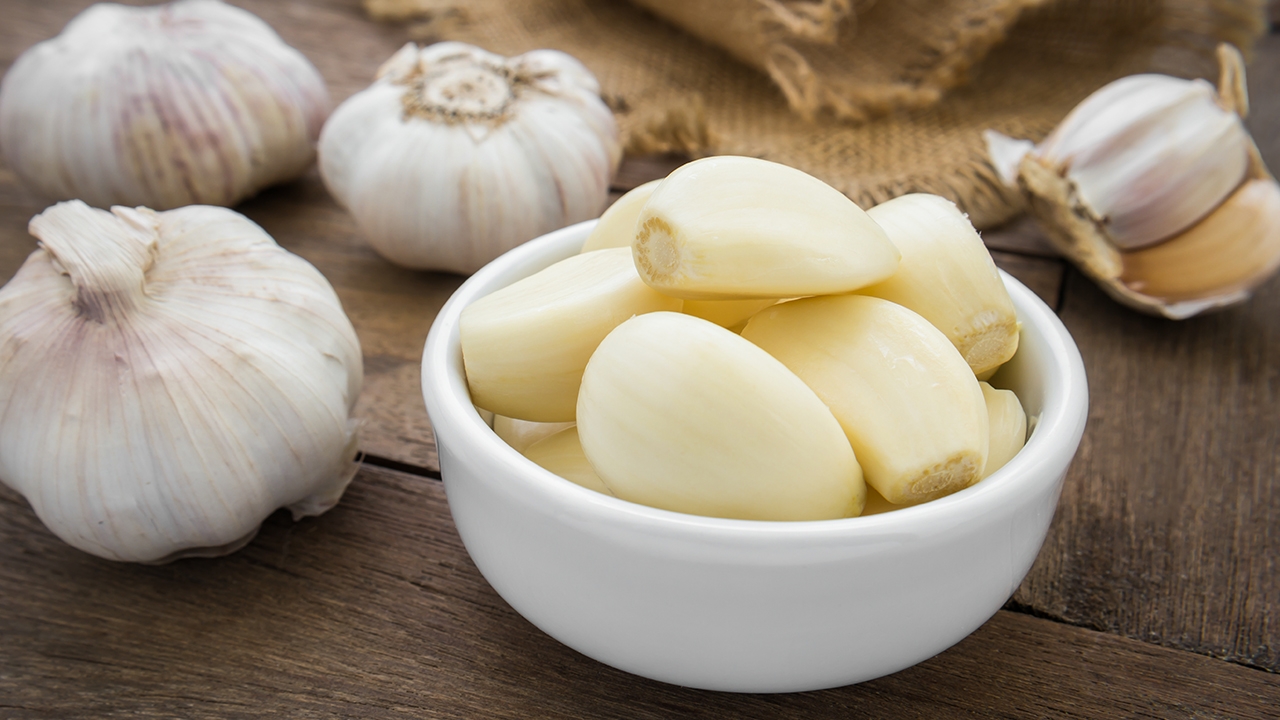
Garlic is an essential ingredient in Thai kitchens, but many households often face problems of "wilted garlic" and "mold growth" or "sprouting roots" before they can be used. Proper storage methods can extend its shelf life significantly, with simple techniques for both whole bulbs and peeled garlic that you can easily follow right away.

A collection of methods to keep garlic fresh longer, preventing wilting and mold, all easy to do at home.

1. Storing garlic "as bulbs" (focus on ventilation)

If you buy garlic in bunches or as whole bulbs, ventilation is the most important factor.

  • Do not refrigerate. The temperature and humidity inside the fridge can cause garlic to sprout and develop mold quickly.
  • The ideal place is dry, cool, well-ventilated, and dark, such as a mesh basket or net bag.
  • Avoid direct sunlight, as exposure will heat the garlic and cause it to deteriorate faster.
  • Do not store near onions, as onions release gases that may accelerate garlic spoilage. Use separate containers for storage.

2. Storing peeled garlic (for frequent cooks)

If you prefer convenience and peel your garlic in advance, this method saves time and maintains freshness well.

  • Freezing method: Place peeled garlic in zip-lock bags or vacuum containers, then freeze. This preserves flavor and aroma for several months.
  • Finely ground method: Grind or chop garlic finely, mix with a small amount of vegetable oil (to prevent clumping), store in airtight containers, and freeze. When needed, scoop directly for cooking.

3. Precautions and storing garlic in oil (very important)

Many people store garlic in oil for convenience, but safety precautions are necessary.

  • Always refrigerate garlic in oil and do not keep it for more than one week to prevent the growth of Clostridium botulinum bacteria, which is highly dangerous.

Signs that garlic should be discarded

  • Color changes: garlic flesh turns dark yellow or brown
  • Texture: soft, mushy, or with long sprouting roots
  • Smell: musty or any odor other than the garlic’s natural aroma