

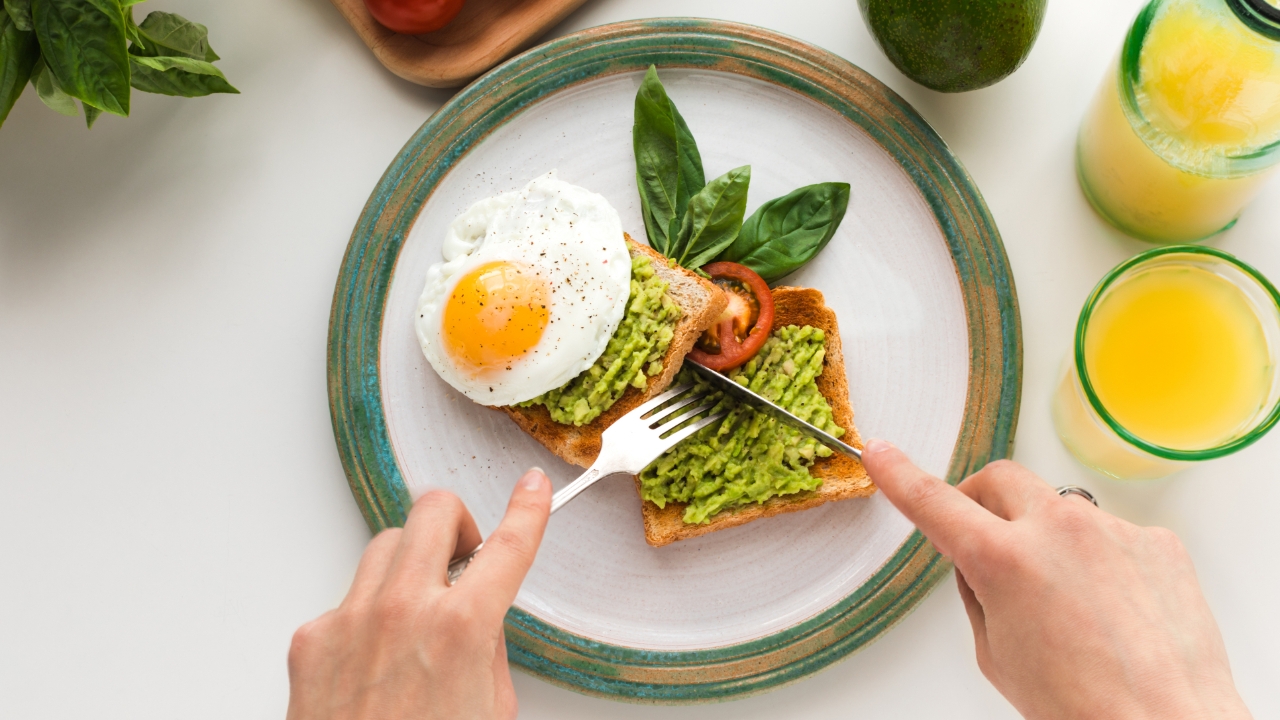
Say goodbye to constant hunger pangs with techniques for eating breakfast that keep you full longer by effectively controlling hunger hormones, along with high-protein, fiber-rich breakfast menu ideas to help you manage your figure more easily.
Many people mistakenly believe that losing weight means "skipping meals," especially breakfast. In reality, breakfast is the most important meal for regulating blood sugar levels and eating behaviors throughout the day. If you feel ravenous mid-morning or snack frequently, it may not be due to lack of willpower but because you "haven't plated your breakfast correctly."
Eating an appropriate amount at breakfast not only reduces appetite but also benefits the body's circadian rhythms. Our bodies can burn energy (Thermic Effect of Food: TEF) better in the morning than in the evening. Emphasizing a filling breakfast and reducing dinner intake helps improve weight loss effectiveness.
Protein is essential for controlling hunger. Consuming at least 20-30 grams of high-quality protein at breakfast reduces levels of ghrelin, the hunger hormone, and stimulates hormones signaling fullness to the brain such as GLP-1 and PYY. The body also expends more energy digesting protein than other nutrients, boosting metabolism.
High-fiber, low glycemic index (Low GI) foods digest slowly and release sugar into the bloodstream gradually. Research shows Low GI meals can increase the secretion of the satiety hormone GLP-1 by up to 20% and lower insulin levels, helping you feel full longer. Additionally, fiber nourishes gut bacteria, promoting balance and benefiting metabolism over time.
Healthy fats such as avocado, nuts, or chia seeds signal the brain that you are full and help reduce inflammation in the body.
To start your day energized and control hunger effectively, try these menu options.

Oats have a very high Satiety Index and are rich in beta-glucan fiber, which forms a gel in the stomach that slows sugar absorption. It is recommended to mix oats with soy milk or Greek yogurt and top with berries.
Eggs are an excellent, easily accessible protein source. Studies on satiety index indicate eggs are highly effective at promoting fullness. Eating eggs for breakfast helps control hunger hormones and reduces snacking later.
Greek yogurt contains nearly twice the protein of regular yogurt. Pair it with high-fiber, low-sugar fruits like blueberries or strawberries and sprinkle with almonds or chia seeds to get protein, fiber, and healthy fats in one meal.

Whole wheat bread is a complex carbohydrate rich in fiber. Combined with lean chicken breast and added salad vegetables or tomatoes, this easy-to-make meal provides about 280 calories.

For those who prefer hot meals, sea bass rice porridge is a good choice. Fish provides easily digestible protein and omega-3 fatty acids. Switching from white rice to brown rice further increases satiety.
To prevent premature hunger, avoid breakfasts high in refined flour and sugar such as white bread, sweetened cereals, 3-in-1 coffee mixes, or boxed fruit juices, as these cause rapid spikes and drops in blood sugar, increasing hunger. Also, avoid processed meats like sausages, ham, or bacon, which are high in sodium and hidden fats.
Small behavioral changes emphasizing "protein and fiber" at breakfast can transform your meal into a powerful hunger control tool, making weight management and weight loss less of a struggle.