

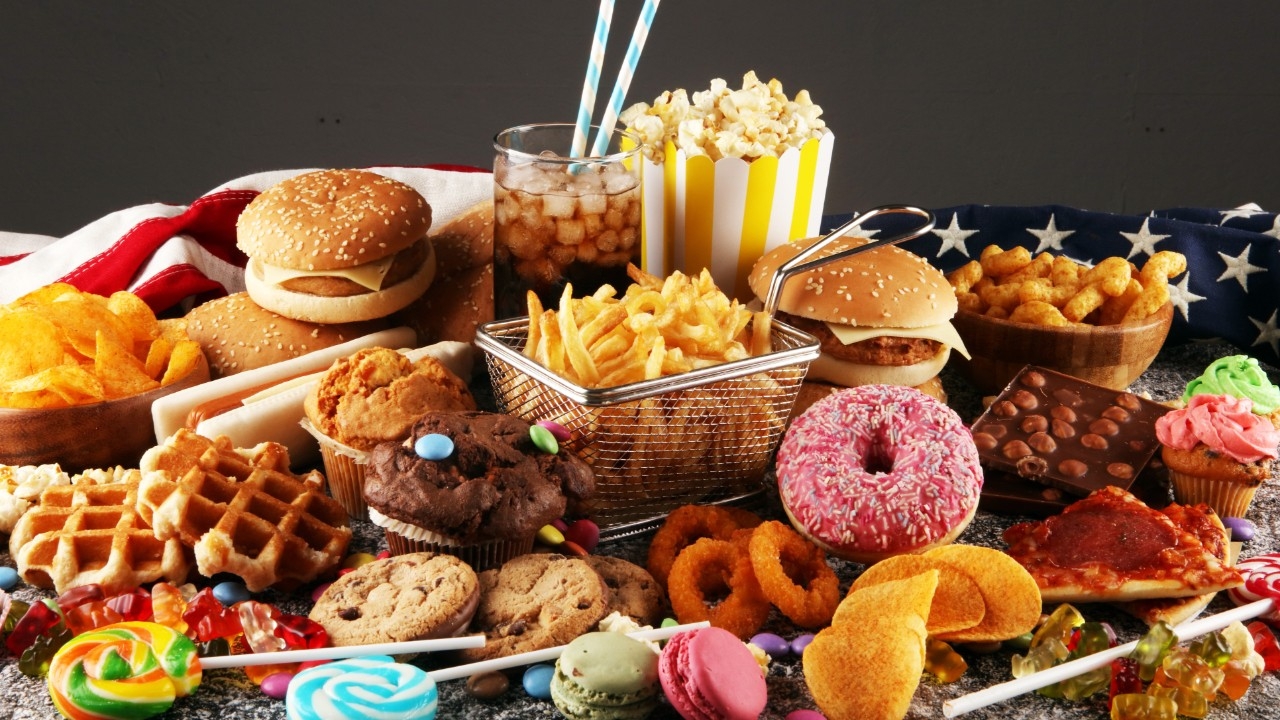
Recent research reveals that ultra-processed foods do more than cause obesity—they also negatively impact bone density, thigh muscle strength, and reproductive systems in both men and women.
The latest studies show that ultra-processed foods like frozen meals and snacks not only contribute to weight gain but also weaken bone mass, increasing the risk of hip fractures and reducing fertility effectiveness.
Ultra-processed foods are those that undergo multiple industrial processes and contain preservatives, artificial colors and flavors, and high sugar levels. Common examples familiar to Thais include instant noodles, frozen ready meals, sausages, and soft drinks, which have become staples in today’s fast-paced lifestyle.
/Healthlineand research published in The British Journal of Nutrition reveal these alarming findings:
Consuming UPFs at a rate of every 3.7 servings per day raises the risk of hip fractures by 10.5%, especially among those under 65 years old and individuals with low body mass index (BMI). This is because these foods lack calcium, vitamin D, and essential minerals but increase inflammatory substances in the body.
MRI scans show that people who eat a lot of ultra-processed foods have more fat infiltrating their muscles, even if their body weight is normal. This reduces muscle strength and raises the risk of knee osteoarthritis and difficulty moving as they age.
Experts recommend the "80/20" approach: consuming 80% natural whole foods and allowing up to 20% processed foods in the diet. They also emphasize increasing natural protein and calcium intake to restore bone and muscle health.
This article highlights that the convenience of ready-made foods comes with a long-term health cost. Being aware and adjusting eating habits today is key to maintaining sustainable good health.