

Breakfast is an important meal, but choosing quick options can unknowingly become“dangerous breakfasts.”Here is a look at five popular Thai breakfast dishes packed with high sodium and fat that can harm long-term health.
Breakfast is considered the most important meal to start the day, as it replenishes energy for the body and brain after a night's sleep. However, in today’s fast-paced urban lifestyle, convenience often takes priority over nutrition, leading many to choose readily available and tasty breakfast foods without realizing that these menus may be dangerous breakfasts, containing excessive amounts of sodium and saturated fat beyond recommended levels.
According to the Department of Health, Ministry of Public Health, our bodies should not consume more than 2,000 milligrams of sodium per day (equivalent to one teaspoon of salt). But surveys of Thai eating habits reveal that most popular breakfast dishes contain sodium and fat exceeding half the daily recommended intake. This contributes to the rising rates of non-communicable diseases (NCDs) in Thailand, such as kidney disease, hypertension, and cardiovascular disease, increasing every year.
Analysis of eating habits and nutrition identifies five common breakfast dishes classified as dangerous breakfasts that should be avoided or consumed in limited amounts as follows.
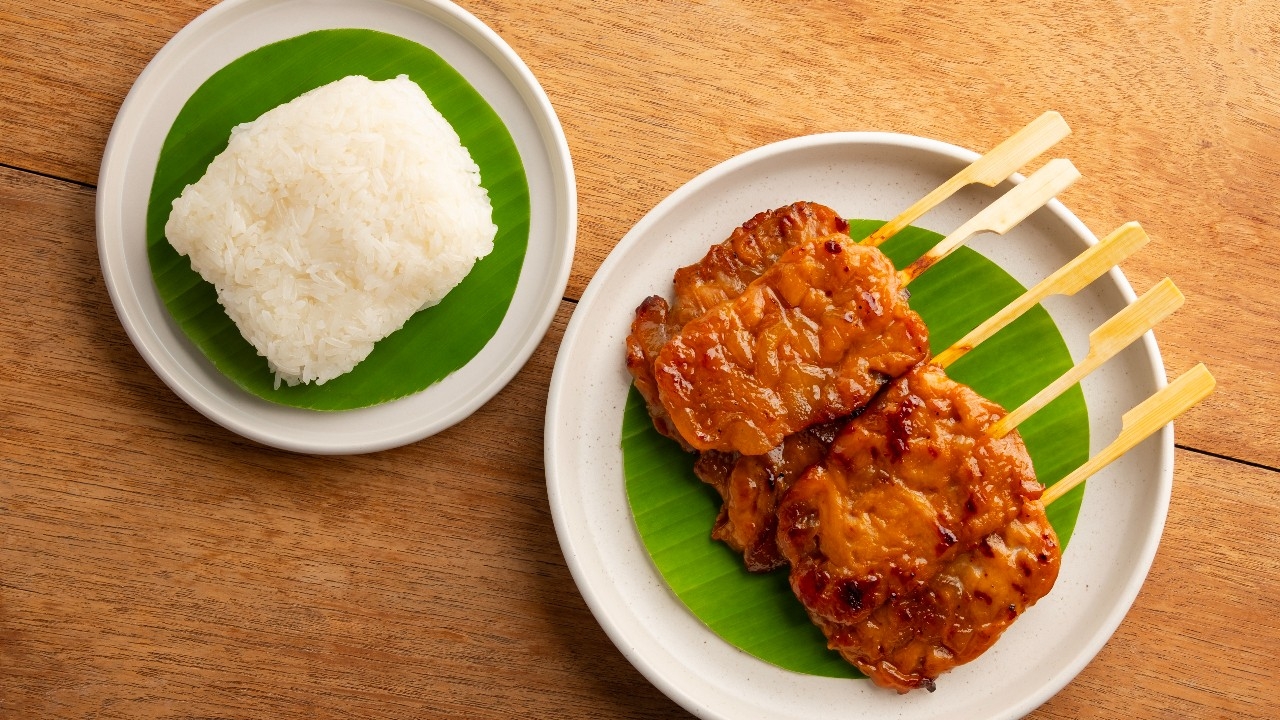
This beloved dish is popular with all ages because it’s easy to find and filling. But nowadays, grilled pork often uses pork belly or fatty cuts to keep the meat tender, marinated heavily with seasoning sauce, light soy sauce, and large amounts of MSG.
Commonly eaten with coffee, deep-fried dough sticks are made from refined flour fried in large amounts of oil, mostly palm oil or reused oil.

In busy mornings, cup or packet instant porridge is a convenient option but is highly processed.
Though it seems healthy with vegetables and protein, the broth, often simmered from pork bones, contains large amounts of salt and soy sauce for flavor, along with offal such as intestines, liver, and stomach.
Found at convenience stores or street carts, these sandwiches highlight the creamy yellow dressing paired with bologna and pork floss.

Avoiding dangerous breakfasts doesn’t mean you must give up these dishes forever; the key is“modification and control.”For example, if you want grilled pork, choose lean cuts without fat, reduce portion size, switch from instant porridge to freshly cooked meals, and avoid finishing all the broth. These steps significantly reduce sodium and fat intake.
A good breakfast should include complete nutrients—low-fat protein, complex carbohydrates, and fiber—to provide steady energy without harming long-term health.
Related news articles.