

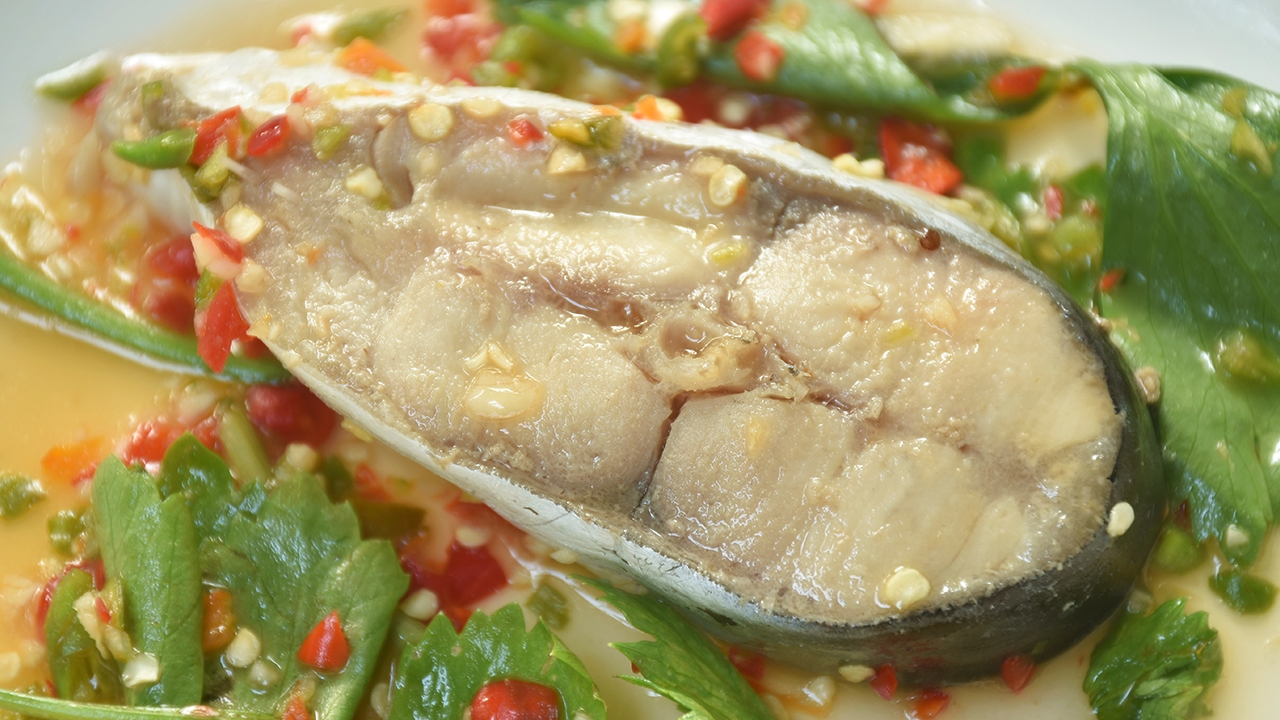
When speaking of "giant pangasius" many may think of a large freshwater fish with thick fat layers and a distinctive fishy smell, often overlooked as a healthy food option. However, according to data from the Department of Health, Ministry of Public Health, the giant pangasius is one of the Thai fish species with very high nutritional value, especially essential fatty acids, earning it the nickname "Thailand's salmon" at a price accessible to everyone.
Thairath Online explores the facts and benefits of the giant pangasius you might not have known before, offering a budget-friendly health care alternative.
Data from Chulalongkorn Hospital, Thai Red Cross Society, indicates that 100 grams of giant pangasius flesh contains the following key nutrients:
1. Rich in omega-3 and DHA to nourish the nervous system and brain.
Most fats found in giant pangasius are unsaturated fatty acids, including DHA (Docosahexaenoic Acid), which is crucial for brain cells. It helps improve memory, prevent dementia or Alzheimer's disease in the elderly, and effectively combat depression.
2. Protects vascular and heart systems.
Omega-3 fatty acids in giant pangasius help lower blood triglyceride levels and reduce platelet aggregation, improving blood circulation, thereby reducing the risk of stroke and ischemic heart disease.
3. A source of high-quality, easily digestible protein.
Giant pangasius flesh is a protein with a simple structure that the body can quickly digest and absorb to repair worn tissues, making it ideal for growing children and elderly people with declining digestive function.
4. Nourishes eyes and retina.
Essential fatty acids in giant pangasius play an important role in maintaining the retina, enhancing vision, and reducing the risk of dry eye syndrome.
5. Reduces inflammation in the body.
Omega-3 has notable properties that reduce inflammatory substances in the body, helping alleviate joint inflammation and improving immune system efficiency.

Although giant pangasius offers many benefits, it has a relatively high fat content. Therefore, the Nutrition Division recommends the following:
Choose appropriate cooking methods. Avoid deep frying, which increases unnecessary calories and fat. Recommended methods include boiling, curry (without too thick coconut milk), steaming, or grilling, such as in spicy pangasius curry, sour curry with pangasius, or stir-fried pangasius with chili.
How to remove the fishy smell. : (Note: The original segment 'ว' seems to be a typographical fragment with no meaning.) Rub the fish flesh with salt or rinse it with vinegar or limewater before blanching it in boiling water infused with herbs (galangal, lemongrass, kaffir lime leaves). Do not stir until the fish is cooked. This effectively reduces the fishy odor.
Choosing healthy foods does not always require spending a lot. The benefits of giant pangasius prove that local Thai ingredients also have high nutritional and omega-3 content comparable to deep-sea fish from abroad. Simply select fresh, clean fish and cook it hygienically, and the giant pangasius can be a delicious dish that effectively supports the health of everyone in the family.