

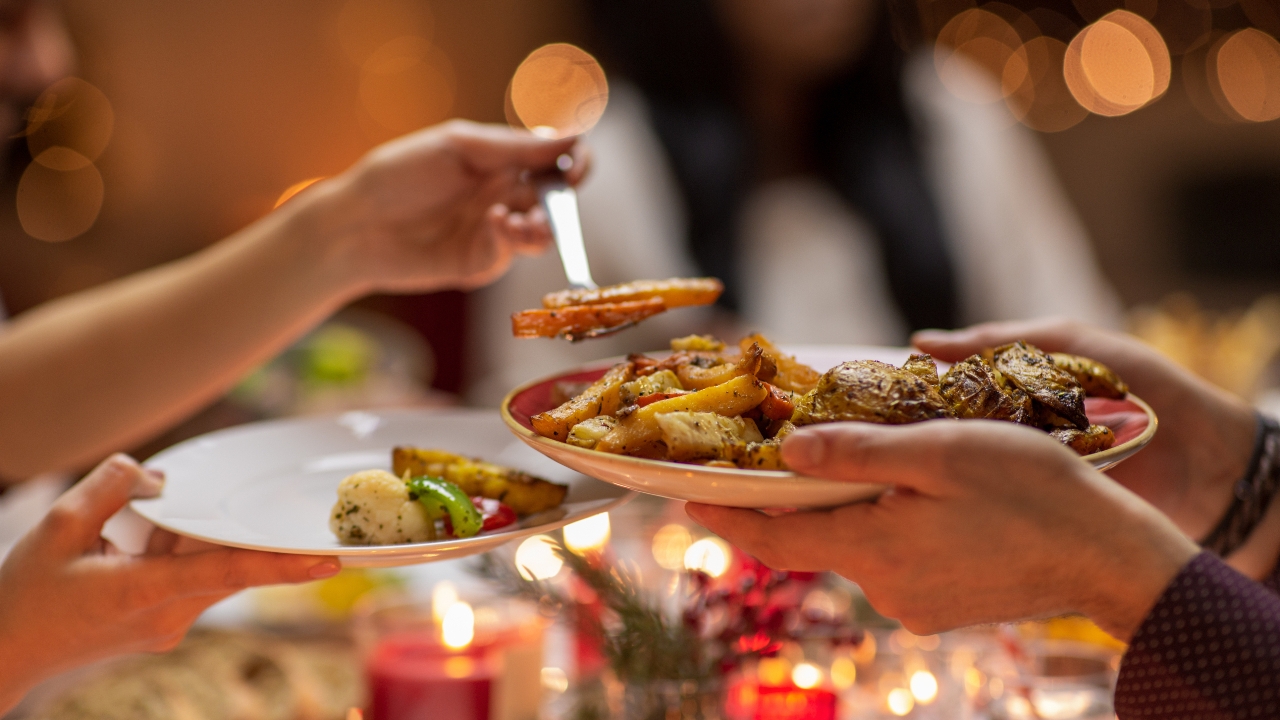
Have you ever noticed that even when ordering the exact same dish, or even a pricier one placed in front of you, the bite you take from your friend's shared plate or the stolen French fry from their dish somehow tastes far more delicious and flavorful than the food on your own plate?
/"Snatching food from friends"which often gets teased about, is not just a feeling. Scientifically and neurologically, there is a mysterious brain mechanism explaining why other people's food can completely overpower the appeal of our own plate.
The first mechanism stems from our sensory nervous system. When we choose and order a dish ourselves, the brain begins the process of"imagining the taste"in advance.
From reading the menu, waiting, smelling aromas from the kitchen, until the food is served, our senses gradually grow accustomed to the dish. So by the first bite, the brain's excitement has already diminished somewhat.
For food from a friend, our brain has no prior information, no real knowledge of its taste, and hasn't fully absorbed its aroma. When we glance at it, the brain perceives it as"something new."Dopamine, the chemical linked to happiness and anticipation, spikes instantly, making even a single bite of a friend's food explode with flavor more intensely than the dish we've been staring at for minutes.
Humans are social creatures with a deep-seated instinct to imitate. In the brain, there are neurons called Mirror Neurons that activate when we observe others' behavior. Watching a friend chew their food with delight and sparkling eyes, our brain simulates that pleasure internally, creating a shared feeling that"that dish must be really good."
Combined with the psychology of"forbidden fruit,"anything not originally ours or something limited to just a bite becomes exponentially more enticing. Owning something scarce makes the brain feel more satisfied than eating from our own abundant plate.
Daily, our brain faces decision fatigue. Choosing what to eat, wondering if it will taste good, counting calories, or considering value creates subtle stress without us realizing it.
However, when snatching food from a friend, you skip all those processes entirely. There's no need to decide or risk regretting a bad choice; you get an immediate reward in flavor. This moment of relaxation and satisfaction is interpreted by the brain as an enhanced level of deliciousness beyond the ordinary.