

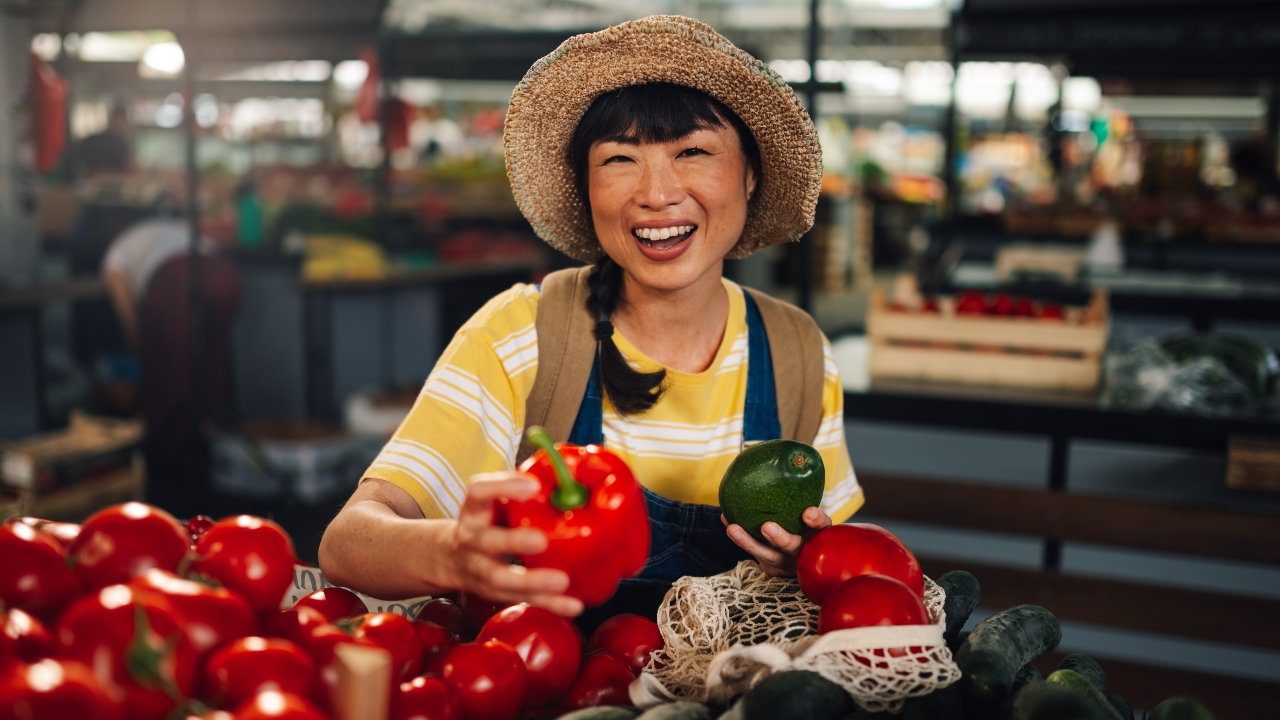
The new health trend is not only about choosing what is good for the body but also what is good for the planet. Here are 8 simple and practical tips for adopting sustainable eating habits suitable for the Thai context.
Sustainability or sustainable systems have become a major focus, especially linked to climate change, which is closer to home than many realize. The United Nations (UN) estimates that climate-related disasters have displaced about 20 million people worldwide.
In the food and health sectors, sustainable consumption is gaining momentum. A 2021 report by Crippa M. notes that the global food system is responsible for one-third of all greenhouse gas emissions. If consumers choose environmentally friendly foods, they can drive significant change.

Trista Best, a professional dietitian from Balance One Supplements, explains that sustainable eating means consuming food with the least environmental impact, enhancing food security, and increasing nutrient density, benefiting both current and future generations' health.
Additionally, Heather White, an environmental science expert and founder of the nonprofit One Green Thing, points out that all elements in the ecosystem—water, air, food, soil, and our health—are interconnected. Research from 2022 shows that reducing beef consumption in the U.S. can cut greenhouse gas emissions by 50%. Meanwhile, a 2020 report reveals that 70% of the world's freshwater is used in agriculture. These figures highlight the massive impact of human consumption on global resources.
You don't need to overhaul agricultural systems overnight but can start changing from small meals at home with affordable and practical tips suitable for Thai society as follows.

A 2014 study found that vegetarians or vegans produce half the greenhouse gas emissions from their diet compared to meat-eaters. However, Heather White clarifies that you don't need to quit meat abruptly but can start with one meat-free day per week, such as Monday. Thais can choose traditional dishes like chili dips with boiled vegetables, spicy mixed vegetable soup, or substitute large meat portions with tofu and mushrooms.
The U.S. Food and Drug Administration (FDA) estimates food waste accounts for 30-40% of all food sources. Planning menus in advance helps buy only necessary ingredients. Professional dietitian Katie Krejci suggests a "nose-to-tail" approach, such as using leftover chicken frames or pork bones to make noodle broth or saving vegetable scraps for stock, reducing household waste.
The U.S. Environmental Protection Agency (EPA) lists composting as a key method to reduce food waste. Thais with backyard space can compost vegetable scraps, fruit peels, or food leftovers into organic fertilizer for plants. Those in condos can use small, odorless food waste bins as a convenient option.
Eating off-season fruits means ingredients are often transported long distances or treated with chemicals. Choosing Thai seasonal fruits and vegetables—such as cucumbers and wax gourds in summer,bitter melon,bamboo shoots and climbing wattle in the rainy season, and cabbage and Chinese cabbage in winter—not only provides maximum nutrients at lower prices but also reduces chemical residues.
Eating local food significantly reduces carbon footprints from transportation. A 2022 study shows food transport accounts for nearly one-fifth of emissions in the food system. The "100-Mile Diet" encourages buying ingredients produced within 100 miles (about 160 kilometers). In Thailand, this can be done by visiting community markets, supporting provincial farmers, or choosing Thai fruits instead of expensive imports.
Before meal box delivery services, there was the CSA (Community Supported Agriculture) system abroad, where consumers share ownership with local farmers. In Thailand, this can be adapted through projects like "Organic Tiffin Tie-ups" or ordering organic vegetable boxes directly from farmer groups, providing fresh, pesticide-free produce while directly supporting the grassroots economy.

A small kitchen garden ensures 100% chemical-free food. Katie Krejci notes that a fancy garden plot isn't necessary; just old plant pots or condo balconies can grow popular Thai herbs like holy basil, bird’s eye chili, sweet basil, or green onions easily. This saves money and reduces plastic bag waste from supermarket purchases.
A 2021 study states that switching from single-use to reusable packaging can cut greenhouse gas emissions by up to 63%. Also, plastic packaging risks chemical contamination like BPA, linked to obesity and diabetes. Bringing cloth bags to markets, carrying personal food containers, or supporting refill stations are good choices for both health and the planet.
Cara Harbstreet, a dietitian from Street Smart Nutrition, concludes that sustainable eating raises awareness of food origins, builds confidence, and aligns with personal values. While large food systems won’t change overnight, each consumer can start by changing what’s on their plate for sustainable health benefits for themselves and the planet.
Source:Healthline