

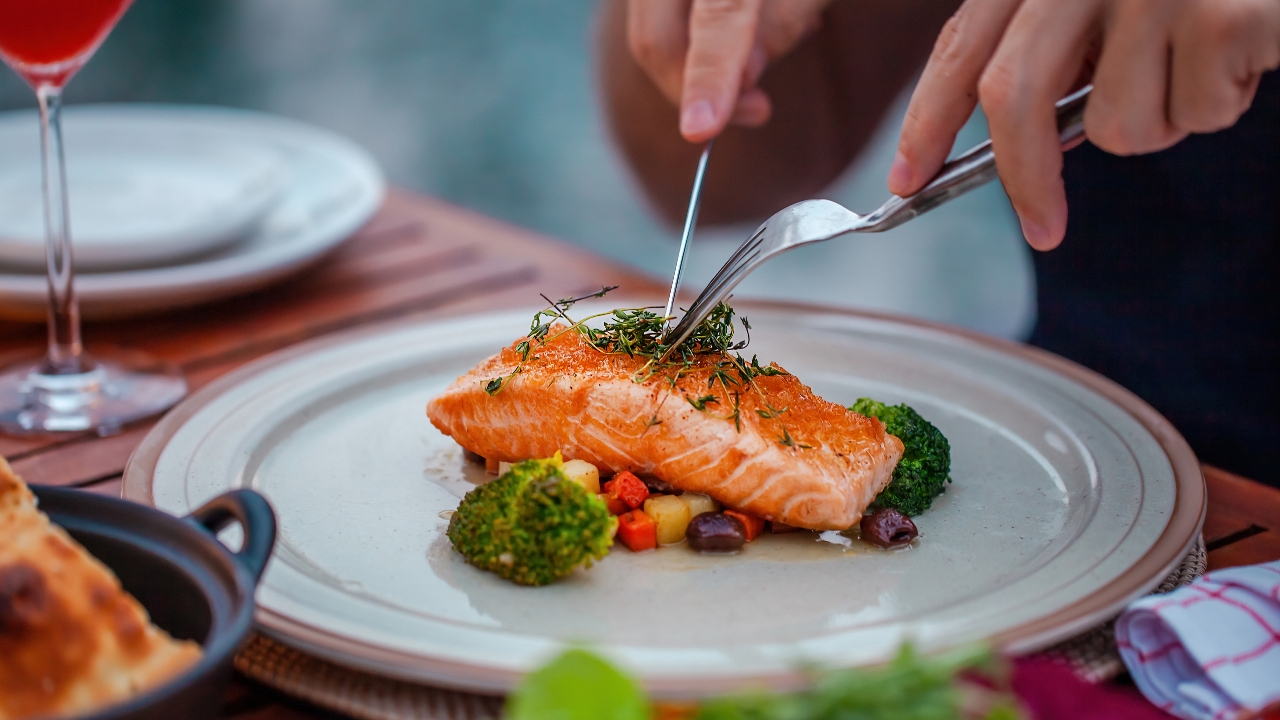
Exploring the benefits of eating salmon for heart health, doctors recommend how to eat it effectively to reduce cholesterol and bad fats, plus tips for those wanting proper self-care with real results.
Salmon is a quality protein widely favored by health-conscious people and Thais. According to Parade, cardiologists state salmon is especially heart-healthy compared to red meats like beef or pork because it contains less saturated fat.
Dr. Heather Johnson, director of preventive cardiology at the Christine E. Lynn Women's Health Institute in Florida, USA, explains that reducing saturated fat helps lower bad cholesterol (LDL). This aligns with Dr. Nina Radford, a cardiologist at Cooper Clinic in Texas, who notes most fats in salmon are heart-healthy unsaturated fats, especially omega-3 fatty acids (EPA and DHA) that help reduce inflammation, lower the risk of blood clots, and improve blood vessel function.
Statistics show that Thais face increasing risks of coronary artery disease and high cholesterol. Adopting a diet replacing fatty meats with fish high in good fats has become a widely popular preventive measure.
The American Heart Association recommends consuming fatty fish at least twice weekly (about 100 grams per meal) to reduce the risk of acute vascular events such as heart failure or stroke.

However, doctors advise against frying salmon, which diminishes its nutritional benefits. Healthier preparation methods include grilling, steaming, or baking, which can easily adapt to Thai cuisine, such as steamed salmon with lime, grilled salted salmon, or served with fresh vegetable salad.
For those with high cholesterol, regularly eating salmon helps reduce total cholesterol, LDL cholesterol, and triglycerides.
Both doctors emphasize that these benefits occur only when salmon is eaten alongside a "nutritionally balanced diet." Consuming salmon but continuing to eat processed foods in high amounts may not yield positive health outcomes.
If consumers switch from beef or pork to salmon as their main protein source and exercise regularly, Dr. Heather Johnson says cholesterol reductions may be noticeable within 6 to 12 weeks, while Dr. Nina Radford notes improvements might appear in as little as one month.

Salmon.It is a high-quality protein rich in omega-3 fatty acids, which doctors confirm support heart health and help control cholesterol. However, cooking methods like steaming or grilling, eating appropriate portions, reducing fried and fatty foods, and exercising are key to sustaining overall health.
Source:Parade