

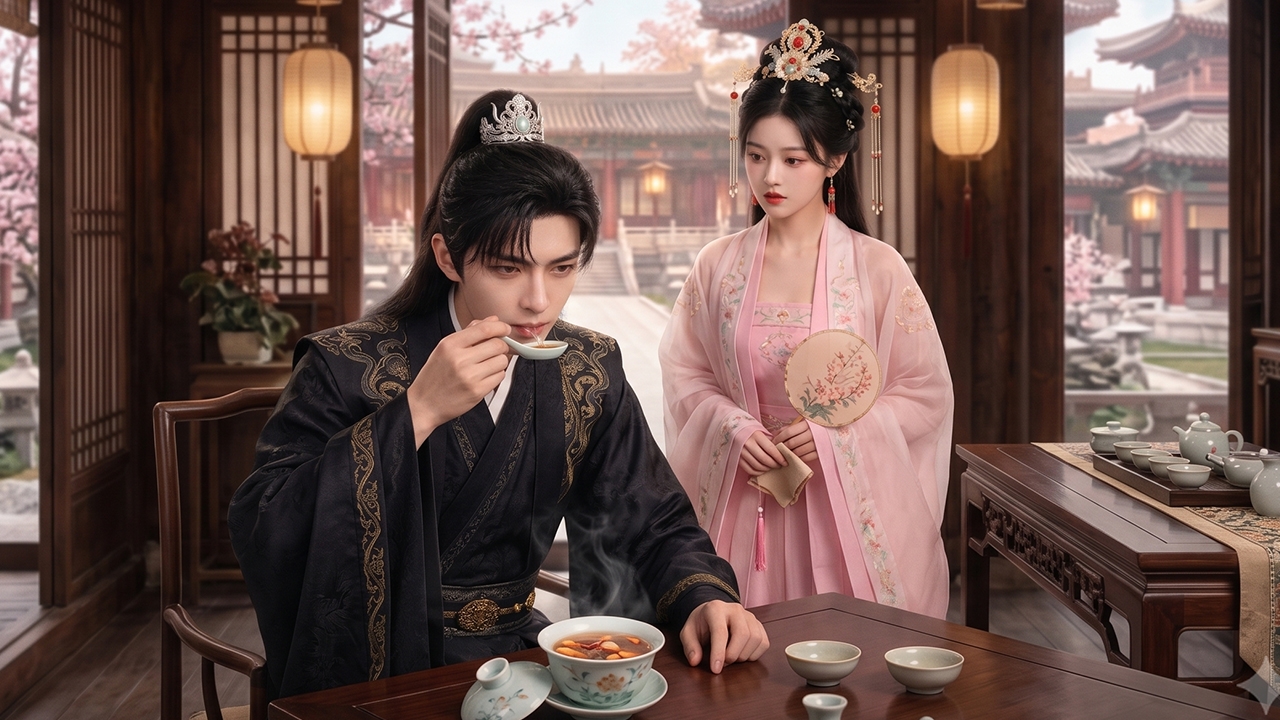
If you are a devoted fan of Chinese dramas, especially period, historical, or martial arts genres, you must have seen classic scenes of intense drinking battles involving red sorghum wine, orchid liquor, or divine elixirs of immortal beings. The next morning, what always appears on the table or is thoughtfully brought out is "hangover soup." What exactly is this dish? Does it really exist in Chinese history and culture? Thairath Online takes you to decode this traditional hangover remedy from the land of the dragon.
Hangover soup in Chinese is called "Xing Jiu Tang" (Chinese: 醒酒汤), a dish consumed to sober up from the effects ofalcohol.
Therefore, hangover soup is not a bitter medicine but rather a hot soup made from herbs and natural ingredients that help detoxify alcohol, relieve headaches and nausea, and refresh the body. Since ancient Chinese culture involved heavy drinking in social, business, or royal settings, traditional Chinese medicine doctors developed various soup recipes specifically to treat hangovers.

While the soup may appear as a simple clear broth in porcelain bowls on screen, in reality, Xing Jiu Tang recipes are diverse depending on social class and era, as follows:
In the context of Chinese dramas, when one character prepares hangover soup for another, it often represents more than just physical healing — it is a subtle expression of love and care in the Asian way. For example, the heroine makes it for the hero after he drinks to drown his sorrows, or a maid prepares it for her master to show loyalty. Such scenes warmly resonate with viewers and leave a memorable impression.