

When it comes to healthy eating, many people first think of green leafy vegetables or brightly colored fruits. But in fact, " black foods " are another nutritious option, rich in essential nutrients such as vitamins, minerals, and antioxidants that benefit the body.
The black or deep purple color found in many foods comes from natural phytochemicals, especially " anthocyanins " (Anthocyanins), antioxidants that protect cells from damage, reduce inflammation, and may help promote cardiovascular health when consumed as part of a varied and balanced diet.
If you want to add variety to your meals, get to know these 10 black foods that are both delicious and nutritionally valuable:
Dark-colored rice is a source of B vitamins, vitamin E, iron, and antioxidants. It also contains more dietary fiber than polished rice, which slows digestion and sugar absorption, promotes satiety, and is a good choice for those managing blood sugar levels.
Black beans provide plant-based protein, dietary fiber, and essential amino acids. They also contain flavonoid antioxidants that support heart and vascular health and help reduce low-density lipoprotein (LDL) cholesterol.

Though small, black sesame seeds are nutrient-dense, offering calcium, magnesium, B vitamins, and healthy fats. They help strengthen bones and teeth, support the nervous system, and their fiber and natural oils aid healthy digestion.
This berry fruit is rich in vitamin C, fiber, and antioxidants that boost immunity, support collagen production, and promote digestive health.

Black grapes contain resveratrol, an antioxidant widely studied for its potential to support cardiovascular health and protect cells from aging.
Black wood ear mushrooms are high in dietary fiber, promoting digestive function, and contain various minerals beneficial to health, making them a good vegetable option to add to meals.

Black Chinese jujubes contain fiber, vitamins, and pectin, which promote digestive health. They are also popular in traditional Eastern medicine for body nourishment.
Black pepper contains piperine, which stimulates digestion and enhances the absorption of some nutrients. It also adds aroma and flavor to dishes without the need for excessive seasoning.

Squid ink, commonly used in black pasta or seafood dishes, provides protein, minerals, iron, and natural antioxidants, adding both color and nutritional value.
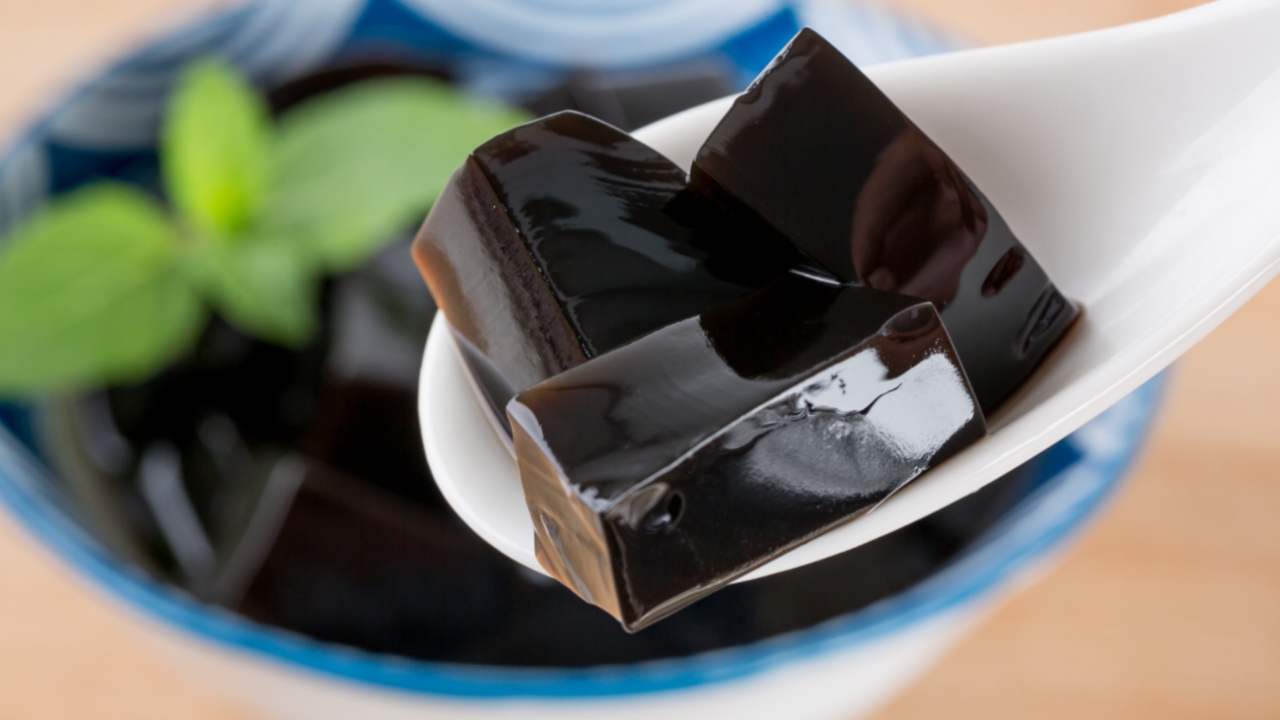
Grass jelly, made from natural herbs, is low in calories and high in fiber, making it a refreshing dessert. However, it is best consumed with minimal added sugar or syrup to reduce sugar intake.

Although black foods are rich in various nutrients, they cannot replace a balanced diet covering all five food groups. Good health requires a diverse diet emphasizing vegetables, fruits, whole grains, quality proteins, adequate hydration, and reduced sweet, fatty, and salty foods to ensure long-term balanced nutrition.
Read related articles