

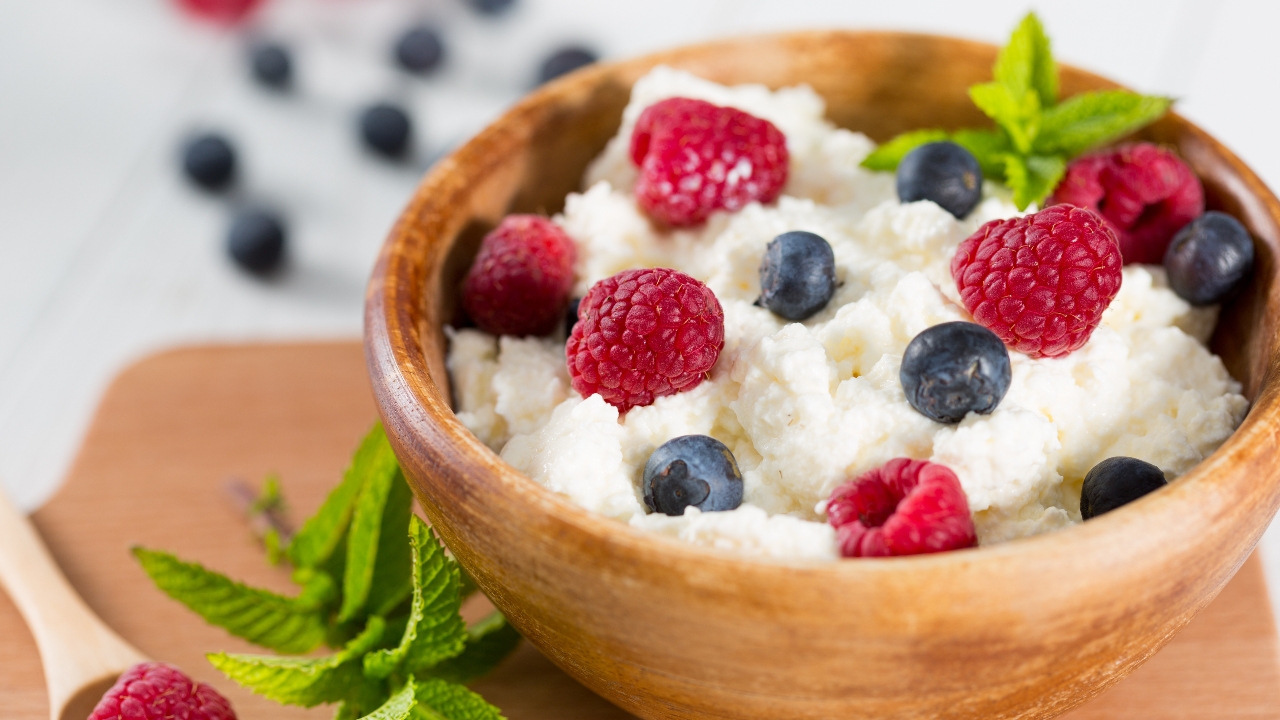
Cottage cheese, a viral health food trend on TikTok, is gaining significant popularity. Let's examine its real benefits for weight loss and health care, along with important precautions health enthusiasts should know from nutritionists.
Recently, social media platforms like TikTok have revived the popularity of a certain health food.Extremely popular.That food is "cottage cheese" (Cottage Cheese). With videos amassing millions of views, this dish has been adapted into various forms, from cottage cheese ice cream and high-protein cookie dough to combinations with mustard and fresh vegetables, attracting great interest from those seeking weight loss and health-conscious groups.
However, online information can include both truths and limitations. To provide accurate data to consumers, a report from the global health website Healthline consulted experts and nutritionists to thoroughly analyze the benefits and precautions of cottage cheese.
Cottage cheese is a fresh cheese consisting of small curds with a mild flavor that is not overly strong. Here are the key benefits confirmed by nutritionists.

Maddie Pasquariello, a registered dietitian nutritionist, explains that high-protein foods like cottage cheese help increase feelings of fullness and prevent overeating, indirectly benefiting those aiming to control their weight. However, the most important factor in weight loss is maintaining a calorie deficit. Simply eating cottage cheese without other behavioral changes is not a complete solution.
Half a cup of cottage cheese provides 11-14 grams of protein (depending on the brand). Nutrition expert Cara Harbstreet states that protein is essential for muscle growth and repair, making it suitable for regular exercisers. Nonetheless, muscle building must be combined with resistance training and adequate rest.
For those seeking probiotics, some cottage cheese varieties enriched with beneficial microbes like Lactococcus lactis or Lactobacillus acidophilus can promote digestion. However, their probiotic concentration may be less dense than Greek yogurt or kefir, so consumers should carefully read labels before choosing probiotic-enriched options.
Although cottage cheese is not high in vitamin C, it contains other nutrients vital to immunity such as vitamin B12, vitamin B6, zinc, and choline. A 2022 nutrition study showed that dietary protein provides amino acids essential for building immune cells, helping the immune system function effectively.
A 2019 systematic review found a link between consuming low-fat dairy products and a reduced risk of type 2 diabetes. Natural cottage cheese is low in carbohydrates and high in protein, helping maintain stable blood sugar levels without sharp spikes after meals. However, caution is advised with flavored or fruit-sweetened varieties that contain high sugar.
Despite its benefits, nutritionists warn that cottage cheese contains significantly more sodium than Greek yogurt. Individuals with kidney issues or high blood pressure should limit intake. Also, cottage cheese contains lactose sugar, so those with lactose intolerance may experience bloating or stomach pain unless they choose "Lactose-Free" formulas.

Meanwhile, extreme TikTok recipes, such as eating cottage cheese with mustard and processed sausages, may lead to excessive sodium intake and promote unhealthy eating habits.
For those wanting to start eating cottage cheese, here are easy ways to incorporate it into daily life.
In summary, cottage cheese is a good option to increase dietary protein. However, consumers are advised to choose low-sodium, low-fat versions and maintain a balanced diet to ensure sustainable and safe health.
Source:Healthline