

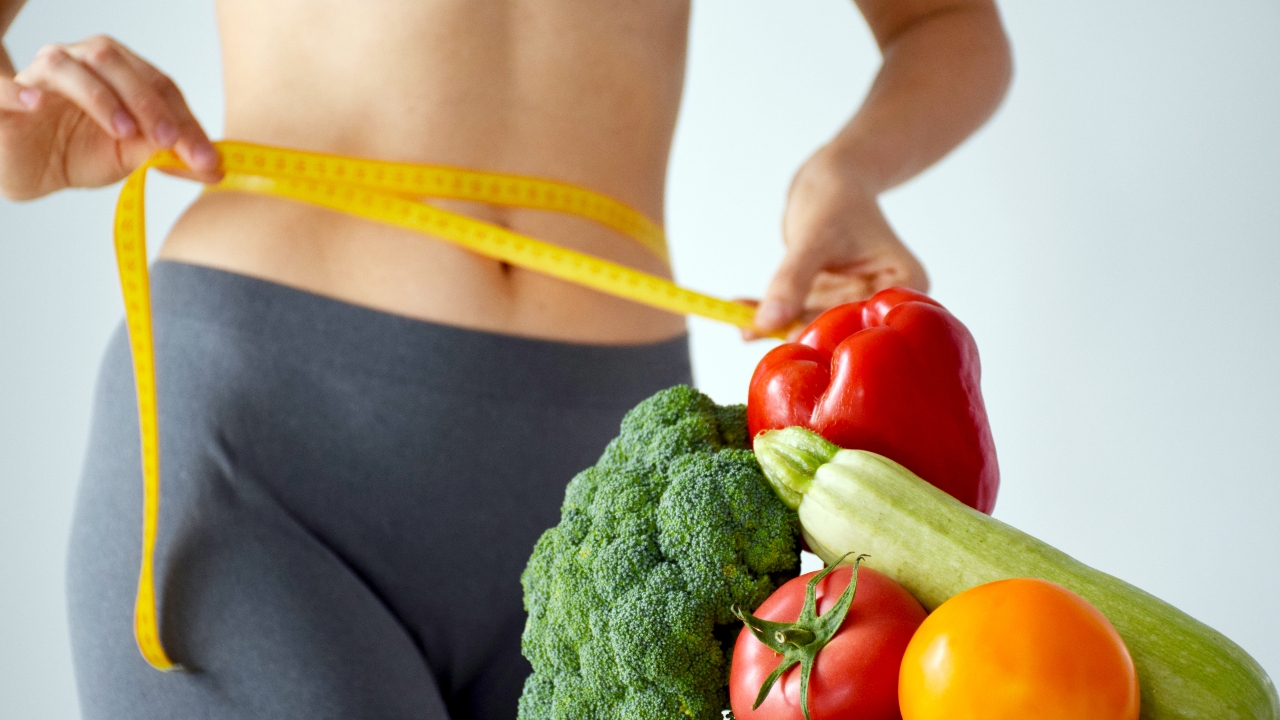
"Calorie Deficit," or maintaining a negative energy balance, is the key to weight loss. Here’s how to eat to stay full, healthy, and sustainably avoid the yo-yo effect.
In the world of weight loss and health care, one of the most talked-about nutrition terms is "Calorie Deficit," meaning the body is in a "negative energy" state. The basic principle is simple: consume fewer calories from food (Calorie In) than the energy your body uses and burns daily (Calorie Out).
According to medical science, when the body burns more energy than it takes in, it must draw on stored fat from various areas to convert into replacement energy, resulting in weight and measurements decreasing over time. However, a major challenge for those using this method is intense hunger, which often leads to failure and a cycle of lapses.
Many mistakenly believe that Calorie Deficit means "starving" or severely restricting calories to very low levels, such as only 800–1,000 kilocalories a day, which is below the body's resting metabolic rate or BMR (Basal Metabolic Rate).
Nutrition associations and metabolism experts state that cutting calories too drastically and quickly causes the body to enter "starvation mode." The body breaks down muscle for energy; since muscle is the main fat-burning furnace, losing muscle slows metabolism. When normal eating resumes even slightly, the body, unable to burn calories efficiently, rapidly stores fat, causing the yo-yo effect where weight rebounds higher than before.
A sustainable and safe Calorie Deficit approach, according to global standards, reduces calories by only 15-20% of total daily energy expenditure (TDEE), about 300–500 kilocalories per day. This supports safe weight loss of about 0.5–1 kilogram per week, with these food selection techniques to stay full:
The secret to feeling full without exceeding calorie limits is choosing low-energy-density foods, such as leafy greens, broccoli, cabbage, and low-sugar fruits like guava, dragon fruit, and apples. These foods are high in fiber and water, stretching the stomach and signaling fullness to the brain without adding excessive calories.

Protein takes the longest to digest and plays a crucial role in stimulating satiety hormones like Peptide YY and GLP-1. Consuming adequate amounts of chicken breast, boiled eggs, fish, lean meats, or tofu helps preserve and build muscle mass during weight loss, effectively preventing the yo-yo effect.
Switch from white rice and white bread to brown rice, red rice, whole wheat bread, or sweet potatoes. These complex carbs release energy gradually into the bloodstream, stabilizing blood sugar levels and preventing rapid spikes and crashes, which helps reduce sugar cravings during the day.
Often the brain confuses thirst with hunger. Drinking 1-2 glasses of clean water about 30 minutes before eating helps you feel full faster and supports efficient metabolism of nutrients.
In conclusion, sustainable weight loss is not about self-punishment but smart nutritional behavior adjustments. Safe Calorie Deficit combined with muscle-building exercise helps you achieve a good figure and strong health without facing the nightmare of the yo-yo effect again.